

Islamabad | ReNews Pakistan
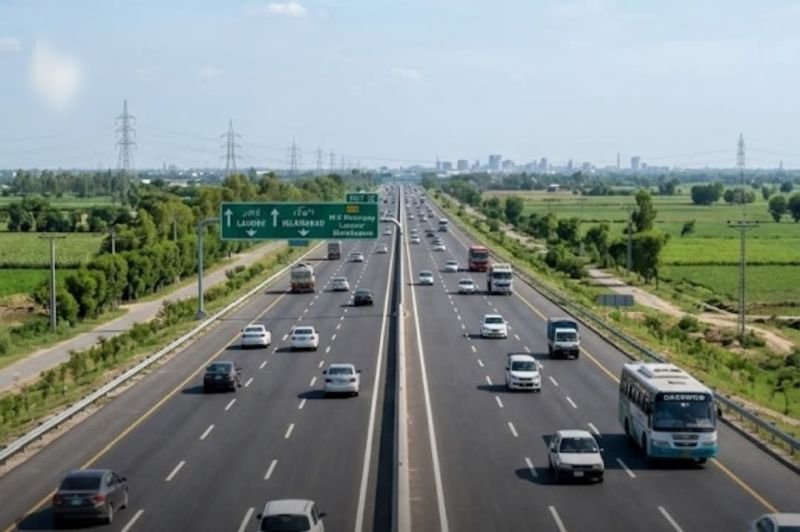
The federal government has unveiled an ambitious plan to develop a new Lahore, Sialkot ,Kharian, Rawalpindi motorway corridor, aimed at significantly improving connectivity between Lahore and Islamabad while reducing travel time and distance for commuters.
Federal Minister Abdul Aleem Khan announced that the project will link the existing M-11 Lahore Sialkot Motorway with Islamabad via Kharian, creating an alternative high-speed route between the provincial capital of Punjab and the federal capital.
According to officials, the new corridor will shorten the travel distance between Lahore and Islamabad by approximately 100 kilometres. Once completed, the journey time is expected to drop from the current three and a half hours to nearly two and a half hours, offering a faster and more efficient commuting option for travelers.
The project is part of broader efforts to modernize Pakistan’s road infrastructure and ease traffic congestion on existing routes, particularly the heavily used M-2 Motorway.
By providing an additional corridor, authorities aim to distribute traffic more evenly and enhance overall transport efficiency.
Officials further stated that the motorway will deliver substantial fuel savings due to reduced travel distances and smoother traffic flow. In addition, improved road design and modern safety features are expected to significantly enhance road safety for millions of daily commuters.
The full motorway corridor is projected to become operational within the next two and a half to three years, marking a major milestone in the country’s infrastructure development and regional connectivity strategy.
Published: April 13, 2026 - 9:45 AM
Lahore Sialkot Kharian Rawalpindi Motorway Corridor to Reduce Distance by 100 Kilometres, Says Federal Minister for Communications
لاہور، سیالکوٹ، کھاریاں، راولپنڈی موٹروے کوریڈور سے فاصلہ 100 کلومیٹر کم ہوجائیگا، وفاقی وزیر مواصلات
▫️Alternative corridor to ensure significant fuel savings due to reduced distance and improved traffic flow, say govt officials
Islamabad | ReNews Pakistan The federal government has unveiled an ambitious plan to develop a new Lahore, Sialkot ,Kharian, Rawalpindi motorway corridor, aimed at significantly improving connectivity between Lahore and Islamabad whil...

























