ReNews Pakistan
← Back to home

National Real Estate News

2 news articles

Nepra Abolishes Net Metering, Introduces New Net Billing Framework.

Nepra Abolishes Net Metering, Introduces New Net Billing Framework.

▫️ Excess solar power to be purchased at national average rate; unit-for-unit adjustment facility discontinued.

Islamabad | ReNews Pakistan Pakistan has introduced a major policy shift for rooftop solar consumers as the National Electric Power Regulatory Authority (Nepra) has formally abolished the existing net metering regime and replaced it w...

Islamabad | ReNews Pakistan
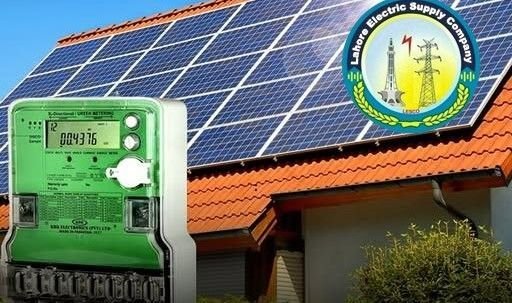
Pakistan has introduced a major policy shift for rooftop solar consumers as the National Electric Power Regulatory Authority (Nepra) has formally abolished the existing net metering regime and replaced it with a new net billing system. The authority has issued the official notification of Net Metering Regulations 2026 to implement the revised framework.
Under the new mechanism, the “unit-for-unit” adjustment facility has been withdrawn. Consumers will no longer offset exported electricity against their consumption. Instead, surplus electricity supplied to the national grid will be purchased at the national average purchase price, currently estimated at around Rs11 per unit, with payments to be made on a quarterly basis. Electricity drawn from the grid will continue to be charged at the prevailing retail tariff, which in many cases exceeds Rs50 per unit.
The revised regulations state that new consumers will not receive credits equal to the higher retail tariff for their exported solar electricity. Agreements under the system will be limited to five years, with an option for renewal for another five years. The framework will also apply to biogas-based users, while distribution company consumers will be required to install either bi-directional or separate meters.
According to the Power Division, the rapid expansion of rooftop solar installations has significantly affected grid revenues and financial sustainability. The country’s installed rooftop solar capacity is now estimated at nearly 6,000 megawatts, largely concentrated among residential, commercial, and industrial users.
Official figures indicate that during fiscal year 2024, grid electricity sales declined by 3.2 billion units, resulting in an estimated financial impact of around Rs101 billion for power distribution companies. Authorities maintain that these losses ultimately influenced tariff adjustments, increasing the cost burden on remaining grid consumers.
Nepra stated that the new net billing framework aims to restore financial balance in the power sector, address tariff distortions, and improve grid stability, while continuing to facilitate regulated adoption of renewable energy across the country.
World Bank Upgrades Punjab Land Records Digitisation Project Rating to Highly Satisfactory

World Bank Upgrades Punjab Land Records Digitisation Project Rating to Highly Satisfactory

▫️ Punjab exceeds major land reform targets, with 69.92 million land rights registered and digital cadastral maps covering 86% of the province

The World Bank has upgraded the Punjab Urban Land Systems Enhancement Project's development and implementation ratings from Satisfactory to Highly Satisfactory after several key targets were exceeded.

Pakistan Pushes Regional Transport Infrastructure Development to Strengthen Trade Connectivity

Pakistan Pushes Regional Transport Infrastructure Development to Strengthen Trade Connectivity

▫️ Federal Minister Abdul Aleem Khan highlights CPEC road projects, M-6 Motorway financing and cross border railway links at UN ESCAP conference in Bangkok

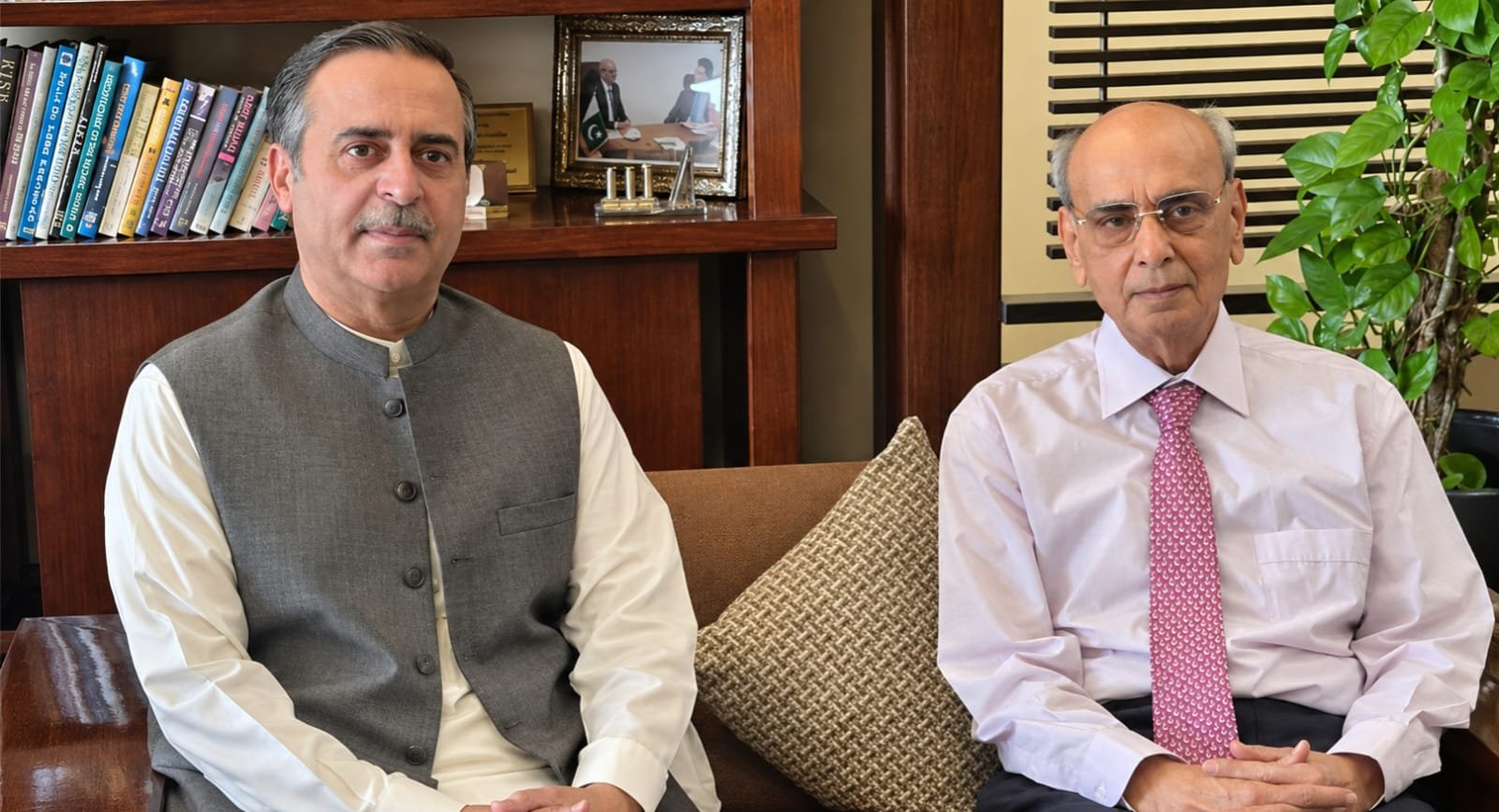
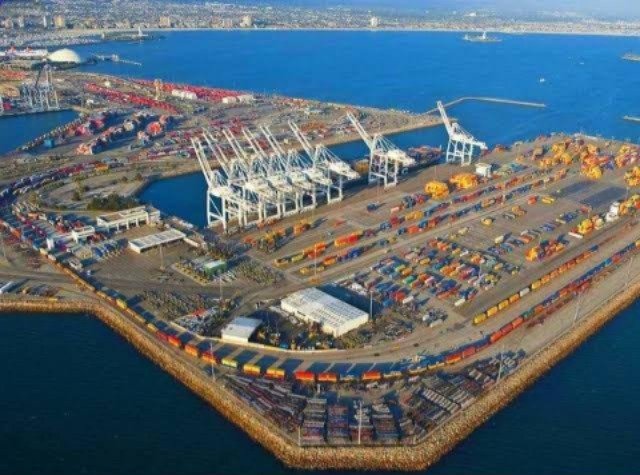
Federal Minister for Communications Abdul Aleem Khan has called for stronger regional transport infrastructure and alternative trade corridors to improve connectivity between Central Asia, South Asia, China and the Middle East.

Nepra Abolishes Net Metering, Introduces New Net Billing Framework.

Nepra Abolishes Net Metering, Introduces New Net Billing Framework.

▫️ Excess solar power to be purchased at national average rate; unit-for-unit adjustment facility discontinued.

Islamabad | ReNews Pakistan Pakistan has introduced a major policy shift for rooftop solar consumers as the National Electric Power Regulatory Authority (Nepra) has formally abolished the existing net metering regime and replaced it w...
Islamabad | ReNews Pakistan
Pakistan has introduced a major policy shift for rooftop solar consumers as the National Electric Power Regulatory Authority (Nepra) has formally abolished the existing net metering regime and replaced it with a new net billing system. The authority has issued the official notification of Net Metering Regulations 2026 to implement the revised framework.
Under the new mechanism, the “unit-for-unit” adjustment facility has been withdrawn. Consumers will no longer offset exported electricity against their consumption. Instead, surplus electricity supplied to the national grid will be purchased at the national average purchase price, currently estimated at around Rs11 per unit, with payments to be made on a quarterly basis. Electricity drawn from the grid will continue to be charged at the prevailing retail tariff, which in many cases exceeds Rs50 per unit.
The revised regulations state that new consumers will not receive credits equal to the higher retail tariff for their exported solar electricity. Agreements under the system will be limited to five years, with an option for renewal for another five years. The framework will also apply to biogas-based users, while distribution company consumers will be required to install either bi-directional or separate meters.
According to the Power Division, the rapid expansion of rooftop solar installations has significantly affected grid revenues and financial sustainability. The country’s installed rooftop solar capacity is now estimated at nearly 6,000 megawatts, largely concentrated among residential, commercial, and industrial users.
Official figures indicate that during fiscal year 2024, grid electricity sales declined by 3.2 billion units, resulting in an estimated financial impact of around Rs101 billion for power distribution companies. Authorities maintain that these losses ultimately influenced tariff adjustments, increasing the cost burden on remaining grid consumers.
Nepra stated that the new net billing framework aims to restore financial balance in the power sector, address tariff distortions, and improve grid stability, while continuing to facilitate regulated adoption of renewable energy across the country.
World Bank Upgrades Punjab Land Records Digitisation Project Rating to Highly Satisfactory

World Bank Upgrades Punjab Land Records Digitisation Project Rating to Highly Satisfactory

▫️ Punjab exceeds major land reform targets, with 69.92 million land rights registered and digital cadastral maps covering 86% of the province

The World Bank has upgraded the Punjab Urban Land Systems Enhancement Project's development and implementation ratings from Satisfactory to Highly Satisfactory after several key targets were exceeded.

Pakistan Pushes Regional Transport Infrastructure Development to Strengthen Trade Connectivity

Pakistan Pushes Regional Transport Infrastructure Development to Strengthen Trade Connectivity

▫️ Federal Minister Abdul Aleem Khan highlights CPEC road projects, M-6 Motorway financing and cross border railway links at UN ESCAP conference in Bangkok

Federal Minister for Communications Abdul Aleem Khan has called for stronger regional transport infrastructure and alternative trade corridors to improve connectivity between Central Asia, South Asia, China and the Middle East.

More Real Estate News

City and District Real Estate News

See All →

Global Real Estate News

See All →

Corporate Real Estate News

See All →

Social Real Estate News

See All →

Real Estate Insights

See All →

Arazi Nama

See All →