Islamabad | ReNews Pakistan
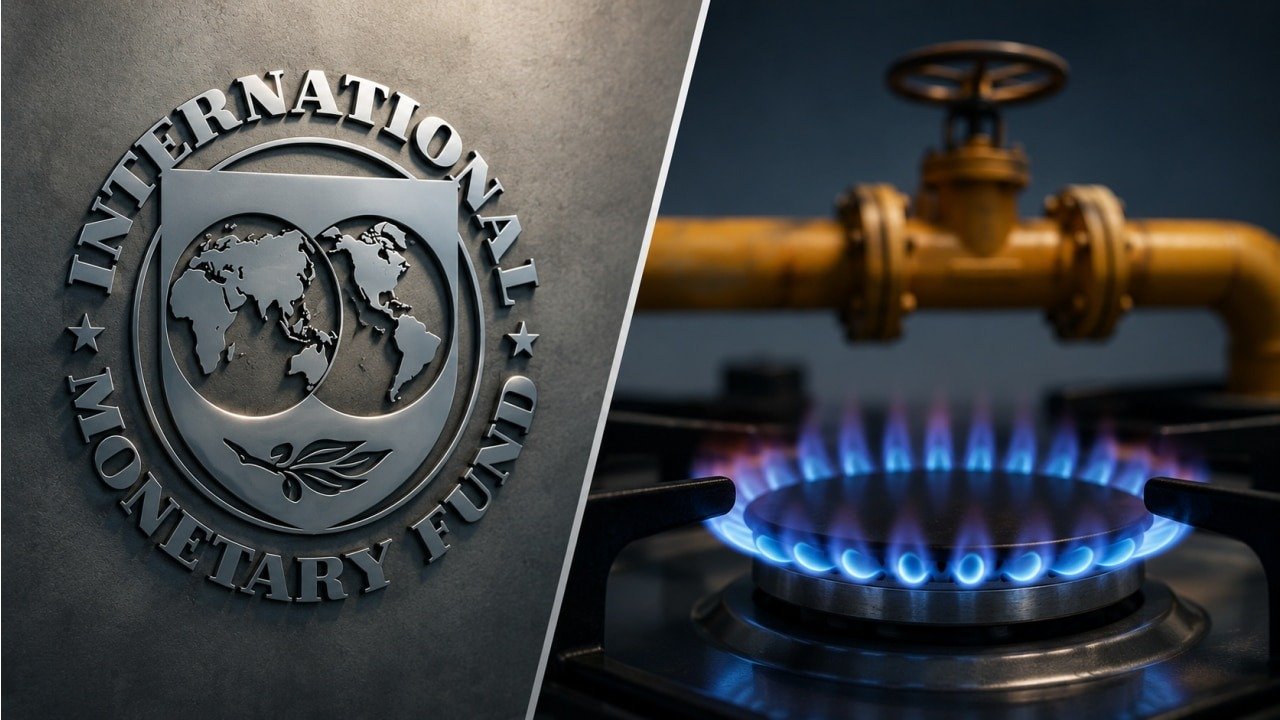
The Petroleum Division has decided to seek approval from the International Monetary Fund for introducing a uniform gas tariff across Pakistan from July 1, 2027, with the proposed reforms involving the abolition of the existing cross subsidy system and targeted financial assistance for low income households.
Under the proposed reforms, Pakistan’s existing 12 slab based gas tariff structure would be phased out. At present, consumers pay different gas rates according to their monthly consumption, while the proposed system would gradually move all consumer categories towards a uniform average tariff of around Rs1,708 per MMBtu.
The proposed reform package also includes a targeted financial assistance mechanism for eligible and low income households. The government would need to allocate around Rs162 billion for this purpose to provide direct support to households that may face a higher financial burden under the uniform tariff structure.
Under the existing cross subsidy mechanism, gas tariffs vary according to consumer categories and levels of consumption, with the pricing structure incorporating subsidies across different categories. The proposed reforms seek to replace this mechanism with direct financial assistance for eligible low income consumers.
The Petroleum Division is expected to discuss the proposed reforms with the IMF mission visiting Pakistan for the ongoing review of the country’s programme. The government is expected to brief the mission on the proposed uniform tariff, the transition from the existing slab based system and the mechanism for providing targeted support to low income households.
The proposed tariff structure is aimed at simplifying the gas pricing system by gradually bringing different consumer categories towards a common average tariff. At the same time, financial support for eligible households would be provided directly rather than through the existing cross subsidy mechanism.
The final structure of the proposed reforms, including the implementation mechanism for the uniform tariff and the criteria for targeted financial assistance, is expected to be discussed with the IMF before the government proceeds with the planned changes.
If approved, the new system would replace the existing 12 slab based gas tariff structure from July 1, 2027, while targeted assistance would be used to support eligible low income households.
Published: September 29, 2026 - 2:01 PM
Pakistan plans uniform gas tariff from July 1, 2027, seeks IMF approval
یکم جولائی 2027 سے یکساں گیس ٹیرف نافذ کرنے کی تیاری، آئی ایم ایف سے منظوری لینے کا فیصلہ
▫️ 12 slab system proposed to be scrapped, Rs162 billion targeted support planned for low income households
Islamabad | ReNews PakistanThe Petroleum Division has decided to seek approval from the International Monetary Fund for introducing a uniform gas tariff across Pakistan from July 1, 2027, with the proposed reforms involving the abolition...