

Islamabad | ReNews Pakistan
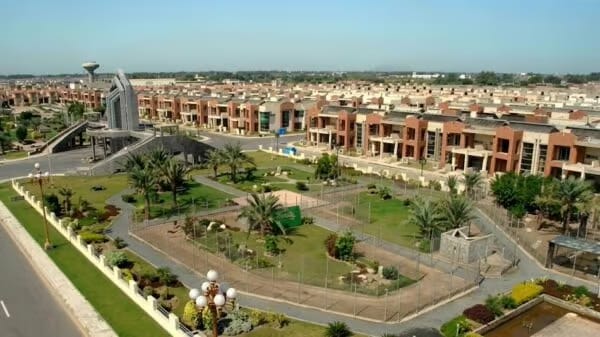
Pakistan’s real estate sector is entering a new phase as modern infrastructure, digital land administration, improved documentation and environmentally responsible urban planning begin to reshape the country’s property market.
Property remains one of Pakistan’s most popular investment options, but its economic importance extends far beyond land and buildings. Real estate activity supports construction, banking, manufacturing, engineering, transport, building materials and employment, making it an important contributor to the wider economy.
According to the Pakistan Economic Survey 2025-26, the construction sector grew by 5.73% during the financial year, while real estate activities expanded by 3.63%. Real estate activities accounted for around 5.86% of gross domestic product, underlining the sector’s significant economic contribution.
One of the most important developments is the gradual shift from manual land administration towards digital systems. Computerised land records, online verification services and electronic property procedures are making ownership information easier to access and reducing dependence on paper-based records.
Digitalisation can help improve transparency, reduce opportunities for document manipulation and make property transactions easier to verify. It can also support banks and financial institutions in checking ownership and assessing properties used as collateral, which could help expand formal housing finance.
Infrastructure development is also reshaping property markets. New roads, expressways, public transport systems, commercial districts and utility networks are opening new development corridors and increasing the attractiveness of previously peripheral locations.
However, infrastructure-led expansion requires careful planning. Housing and commercial development must be supported by adequate roads, drainage, water supply, public transport and other essential services to avoid adding pressure to already crowded cities.
Pakistan is also working to bring more property transactions into the documented economy. Real estate has long faced challenges including under-declaration of property values, complicated taxation and informal transactions.
Tax reforms and improved valuation systems can strengthen transparency, but policymakers need to ensure that transaction costs do not discourage legitimate buyers and investors. A stable and predictable tax regime is particularly important because major real estate projects often take several years to complete.
Climate resilience is becoming another major consideration. Pakistan’s exposure to floods, extreme heat and water shortages means future developments will increasingly need better drainage, flood protection, water management, energy-efficient buildings and responsible land-use planning.
Despite continuing challenges such as land disputes, regulatory complexity and inconsistent approvals, the combination of digital records, infrastructure investment, better documentation, tax reform and sustainable planning could make Pakistan’s property market more transparent and attractive.
With construction and real estate activity already recording growth, the sector’s long-term potential will depend on whether Pakistan can combine investment with stronger regulation, reliable land records and climate-resilient urban development.
Published: August 17, 2026 - 10:30 AM
Pakistan’s Real Estate Sector Enters New Phase as Digitalisation and Infrastructure Reforms Accelerate
ڈیجیٹل نظام اور جدید انفراسٹرکچر سے پاکستان کا رئیل اسٹیٹ شعبہ نئے مرحلے میں داخل
▫️Digital land records, tax reforms, modern infrastructure and climate resilient development are helping create a more transparent and investment ready property market
Islamabad | ReNews PakistanPakistan’s real estate sector is entering a new phase as modern infrastructure, digital land administration, improved documentation and environmentally responsible urban planning begin to reshape the country’s ...

























