

Islamabad | ReNews Pakistan
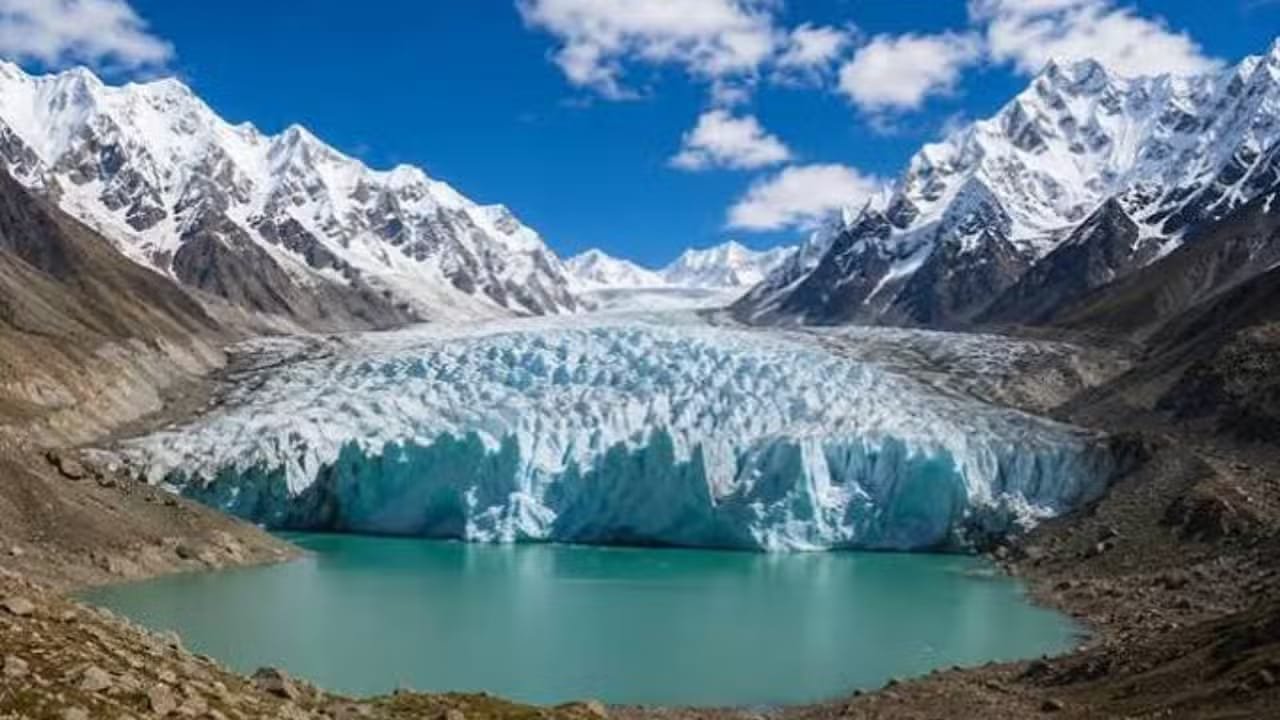
The number of unfrozen glacial lakes in Pakistan has increased sharply from 40 to 105 in less than two months, highlighting the accelerating impact of seasonal warming across the country’s northern mountain regions, according to the latest satellite assessment by the Space and Upper Atmosphere Research Commission (Suparco).
Suparco said its latest assessment was based on temporal satellite imagery, with the most recent image acquired on August 5. The agency mapped the identified lakes using optical satellite imagery to estimate their surface areas and determine whether they remained frozen or had transitioned to an unfrozen state.
“At present, 105 lakes are observed to be unfrozen, compared with 40 lakes reported earlier,” Suparco said, adding that the increase was expected as temperatures rose during the summer season.
The agency had recorded 40 unfrozen lakes on July 2, indicating that seasonal melting was already accelerating. The latest assessment also found that some glacial lakes had expanded beyond their previously recorded maximum extents.
Suparco warned that expansion beyond a lake’s historical maximum can be an important indicator of increased water storage and potentially greater pressure on natural moraine dams. Failure of such dams can trigger a Glacial Lake Outburst Flood (GLOF), sending large volumes of water, debris and sediment into downstream valleys.
The agency said persistent cloud cover following the July assessment had restricted the availability of clear satellite imagery, making it difficult to accurately determine changes in the surface areas of some lakes.
The August assessment identified 131 potentially dangerous glacial lakes, with their locations provided by provincial disaster management authorities and the Water and Power Development Authority’s (WAPDA) Glacier Monitoring and Research Centre.
Suparco said it is continuously monitoring potentially dangerous glacial lakes through satellite imagery and sharing assessments with relevant stakeholders, including the Ministry of Climate Change’s technical committee responsible for GLOF monitoring.
Authorities in downstream areas have been advised to remain on high alert, particularly in valleys located below potentially hazardous glacial lakes. Suparco said regular satellite monitoring would continue throughout the melting season to identify rapid lake expansion and other warning signs and support timely early-warning systems and disaster-risk management.
Dr Karamat Ali, a glaciologist at Karakoram International University, stressed that satellite observations should be complemented by field-based research. He called for stronger coordination and more detailed studies of glacier morphology, local microclimates and seasonal mass accumulation.
According to Dr Ali, gaps in information about hanging glaciers and end moraines remain a significant challenge in assessing GLOF risks, as these features can influence the stability of glacial systems and the potential behaviour of flood-prone lakes.
Pakistan has more than 13,000 glaciers, according to a glacier inventory completed in 2024, making the country highly exposed to changes in the cryosphere and associated water-related hazards.
Ministry of Climate Change spokesperson Mohammad Saleem Shaikh said rising temperatures across the Hindu Kush-Karakoram-Himalaya region were accelerating glacier melt and increasing the risk of GLOFs and other climate-related disasters.
He said faster warming was contributing to the expansion of unstable glacial lakes that could potentially burst with little warning, posing risks to downstream communities, infrastructure and agricultural land.
Shaikh said Pakistan’s response required a science-driven and technology-enabled approach, with satellite observations and research translated into timely action to protect lives, livelihoods and critical infrastructure in vulnerable mountain regions.
Published: September 29, 2026 - 12:01 PM
Pakistan’s Unfrozen Glacial Lakes Surge from 40 to 105 as Summer Melt Accelerates
پاکستان میں غیر منجمد گلیشیئر جھیلوں کی تعداد 40 سے بڑھ کر 105 ہوگئی
▫️ Dangerous Glacial Lakes Identified as Authorities Urged to Maintain High Alert
Islamabad | ReNews PakistanThe number of unfrozen glacial lakes in Pakistan has increased sharply from 40 to 105 in less than two months, highlighting the accelerating impact of seasonal warming across the country’s northern mountain reg...

























