Islamabad | ReNews Pakistan
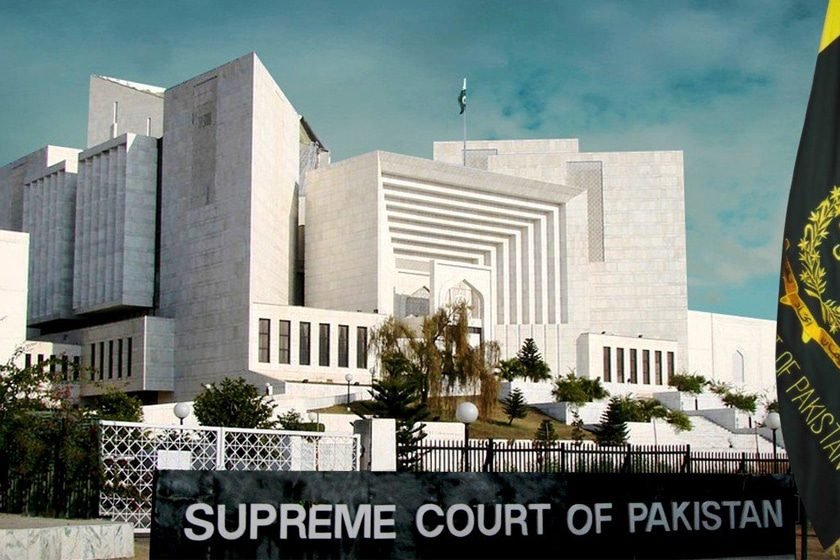
The Supreme Court of Pakistan has issued an important judgment regarding tenancy and ownership disputes, ruling that internal disputes among co-owners of a property over partition or ownership cannot serve as a legal ground for tenants to avoid eviction.
A two-member bench headed by the Chief Justice delivered the verdict in a tenancy dispute related to shops located in a hotel in Quetta, dismissing the tenants’ petitions seeking permission to appeal. The court observed that the judicial record clearly established the relationship between the landlord and the tenant. Therefore, tenants cannot avoid eviction proceedings merely by relying on disputes among the property owners.
In its judgment, the Supreme Court clarified that a co-owner can file an eviction petition against a tenant while representing the other owners. The court held that if there is any internal matter among property owners regarding partition or ownership, it does not affect the legal relationship between the landlord and the tenant.
The apex court further ruled that the concept of personal need is not limited only to the owner’s own requirement. It also includes the legitimate business needs of the owner’s children, family members and other co-owners. According to the judgment, if the owner or co-owners intend to use the property for family or business purposes, it can be considered a lawful need under the law.
The Supreme Court rejected the objections raised by the tenants and held that once the relationship between landlord and tenant is established and the need for the property is proven on legal grounds, tenants cannot avoid eviction merely by citing ownership or property partition disputes.
The judgment is being viewed as an important judicial interpretation in tenancy cases, providing greater clarity regarding the right of co-owners to initiate legal proceedings against tenants.
Published: June 10, 2026 - 4:00 PM
Property Partition or Ownership Disputes Cannot Justify Stopping Tenants’ Eviction, Supreme Court
تقسیمِ جائیداد یا ملکیت کے تنازعات کرایہ داروں کی بے دخلی روکنے کا جواز نہیں، سپریم کورٹ
▫️A co owner can file an eviction petition against a tenant while representing other owners, apex court rules in important tenancy dispute judgment
Islamabad | ReNews Pakistan The Supreme Court of Pakistan has issued an important judgment regarding tenancy and ownership disputes, ruling that internal disputes among co-owners of a property over partition or ownership cannot serve ...