Islamabad | ReNews Pakistan
Millions of people living along major river systems in the Himalayan and Hindu Kush regions could face increasing risks from glacial floods as rising temperatures accelerate glacier melt, a senior United Nations official has warned.
Kanni Wignaraja, Assistant Secretary-General of the United Nations and Regional Director for Asia and the Pacific at the United Nations Development Programme (UNDP), said the growing threat could have serious consequences for communities, property and critical infrastructure located downstream of glaciers and glacial lakes.
She warned that the scale of the threat is expanding rapidly, with some riverbank areas potentially becoming unsafe or even uninhabitable. Hydroelectric power systems could also face significant risks as sudden surges of water travel through major river systems.
“Technology cannot move fast enough to prevent loss along these massive river systems that catch the overflow of the glacier lakes,” Wignaraja said in an interview with Reuters.
Researchers identified 47 potentially dangerous glacial lakes in Nepal, China and India in 2020. However, updated assessments indicate that the number of potentially hazardous lakes has increased considerably.
According to Wignaraja, data compiled by the UNDP and partner organizations in June shows that the number of people exposed to glacial flood risks across the region now runs into the millions.
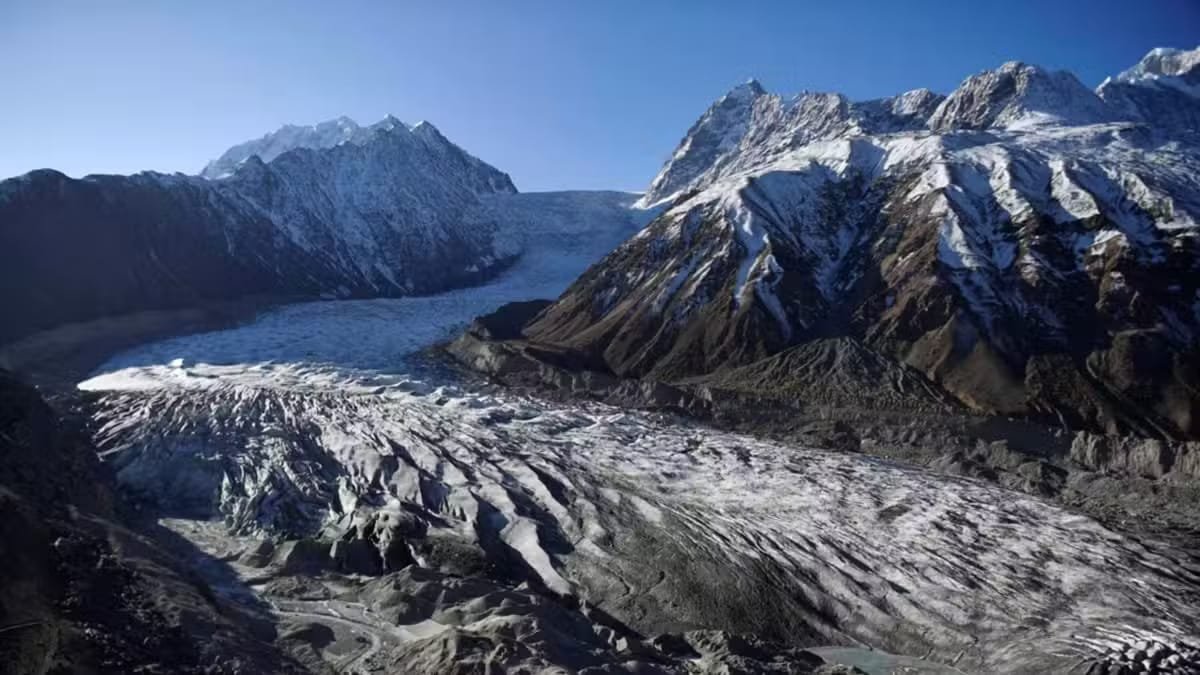
The warning comes after a devastating flood in Nepal last week, triggered when part of a glacier near Langtang Lirung mountain collapsed and fell into a valley. The resulting landslide generated a powerful flood wave that moved downstream along the Trishuli River.
Glacial lake outburst floods pose a different but closely related threat. They occur when melting ice produces large volumes of water that accumulate behind natural barriers. As pressure increases, the barrier can collapse or overflow, releasing a sudden and potentially destructive flood downstream.
The increasing frequency of glacier melt is raising concerns for settlements, housing developments, agricultural land, roads, bridges and other infrastructure situated along vulnerable river corridors.
UN officials have warned that rising temperatures are accelerating glacier loss across the Himalayan region. Melting ice can destabilize surrounding rocks and increase pressure on natural barriers holding back glacial lakes, potentially increasing the likelihood of sudden floods.
The region's geological characteristics add another layer of risk. Wignaraja noted that the Himalayan mountains are relatively young and remain vulnerable to tectonic activity, which can contribute to glacier collapses or failures of natural barriers around glacial lakes.
Researchers have identified potentially dangerous glacial lakes across large areas of the Hindu Kush and Himalayan region, raising long-term concerns about communities and property located downstream.
The growing threat highlights the importance of incorporating climate and flood-risk assessments into housing development, land use planning and infrastructure projects in vulnerable mountain and riverine areas. Authorities may increasingly need to ensure that new residential schemes and major developments are located away from high risk flood corridors and that existing communities have effective early warning and evacuation systems.
Published: September 2, 2026 - 5:01 PM
UN Warns Millions Face Growing Glacial Flood Risks, Putting Homes and Infrastructure in Himalayan Region at Risk
اقوام متحدہ نے گلیشیائی سیلاب کے بڑھتے خطرے سے خبردار کردیا،بہمالیائی خطے میں لاکھوں افراد، گھروں اور انفرااسٹرکچر کو خطرات
▫️Rapid glacier melt and glacial lake outburst floods threaten riverbank communities, hydropower systems and downstream property
Islamabad | ReNews Pakistan Millions of people living along major river systems in the Himalayan and Hindu Kush regions could face increasing risks from glacial floods as rising temperatures accelerate glacier melt, a senior United Natio...