Covering National, Urban, Corporate and Global Real Estate
قومی، شہری، کارپوریٹ اور عالمی ریئل اسٹیٹ کا احاطہ
Lahore Division
Real Estate & Land Insight
Lahore Division is one of the most developed administrative divisions of Punjab, known for its commercial activity, housing developments, and infrastructure growth. It consists of major urban and semi-urban districts.
Districts in Lahore Division
Explore all districts within Lahore Division Division.
Stay updated with local real estate insights and development news.
Turning Punjab’s Idle Government Assets into Economic Resources Becomes A Major Challenge
پنجاب حکومت کو صوبے کے غیر فعال سرکاری اثاثے معاشی وسائل میں تبدیل کرنے کا بڑا چیلنج درپیش
▫️Proposal calls for a digital inventory, improved management, and transparent leasing or partnerships to generate revenue from underutilised government land and buildings
▫️کم استعمال ہونے والی سرکاری زمینوں اور عمارتوں کی ڈیجیٹل فہرست، بہتر مینجمنٹ اور شفاف لیز یا شراکت داری سے آمدنی بڑھانے کی تجویز
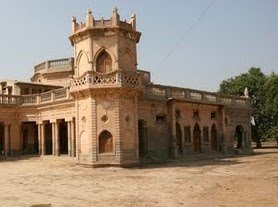
Lahore | ReNews PakistanThe proposed establishment of the Punjab Asset Management Authority to identify, manage and derive economic benefits from...
Lahore | Re News Pakistan The proposed establishment of the Punjab Asset Management Authority to identify, manage and derive economic benefits from idle and underutilised government assets is being viewed as a significant development in the province’s real estate and public financial management. Government departments, autonomous bodies and other public organisations control vast tracts of land, buildings and other properties that have long remained scattered across different administrative systems, with a considerable portion either unused or inefficiently utilised. Many government assets are not only underutilised but also vulnerable to encroachments, informal occupation and poor management. In some cases, comprehensive information about their current market value, legal status and potential future use is unavailable. Under such circumstances, a centralised and professional asset management system could play a key role in transforming public property from mere entries in official records into productive resources serving economic and public interests. The proposed authority’s most important task would be to prepare a comprehensive digital record of government land, buildings and other properties across the province. A geographic information system (GIS)-based database could consolidate each asset’s location, area, ownership, current use, legal status, structural condition and potential market value in a centralised system. In a province as large as Punjab, fragmented records among different government institutions are a major challenge. In some cases, land may be owned by one institution, used by another department and administered by a third. A central digital system could help reduce such administrative gaps while also revealing the accurate number and true economic potential of government assets. According to real estate experts, activating government assets should not mean selling every valuable plot or building. Modern asset management focuses primarily on ensuring the best and most appropriate use of each property. Land that may be needed in the future for hospitals, schools, universities, parks, transport infrastructure or other public projects should be preserved in line with long-term public needs rather than immediately commercialised. At the same time, government properties with limited current use could be brought into economic activity through long-term leases, joint development projects or public-private partnerships. Under this model, the government could retain ownership of the land while obtaining capital, technology and management expertise from the private sector. This could generate a sustained stream of revenue without permanently selling public assets. Underutilised government land located in major urban centres is considered particularly important. Subject to proper master planning, zoning and legal requirements, some sites could be converted into commercial, residential, industrial or mixed-use developments. This could not only provide financial benefits to the government but also create opportunities for new investment, employment and urban development. However, any plan to improve the use of government assets cannot succeed without strong systems of transparency and accountability. Public land is highly sensitive in relation to political and business interests, creating a persistent risk of non-transparent decisions in its sale, leasing or development partnerships. For this purpose, independent and professional valuations would be essential before any major transaction. Publishing basic information such as market value, the valuation methodology, reserve price, bidding rules, successful bidder and final financial terms could improve transparency. Making information about government assets and major related financial transactions available through a modern digital platform could strengthen the confidence of both investors and the public. Oversight of the authority’s performance should not be limited to annual audits. Measurable targets would need to be established, including the number of assets identified, surveys completed, land recovered from encroachments, development projects launched and revenue generated. Quarterly or biannual performance reports would make it possible to assess whether the institution is genuinely converting public wealth into productive resources or merely functioning as another layer of administration. The initiative could also face risks including overlapping jurisdictions, bureaucratic resistance and political interference. In the past, unclear divisions of authority and weak implementation have been major reasons why various reform bodies and task forces failed to deliver the desired results. The new authority would therefore require clearly defined legal powers, effective access to departmental records and the involvement of experts in real estate, finance, law, urban planning and asset management. Ultimately, the success of the Punjab Asset Management Authority will be determined not by its establishment but by its practical results. If the province succeeds in compiling a comprehensive digital record of its government assets, determining their accurate market value, recovering valuable land from illegal occupation and transparently converting idle properties into revenue or public benefit, the initiative could represent a major reform in Punjab’s real estate and financial management. However, if transparency, independent oversight and accountability are ignored, and the authority remains merely another bureaucratic layer, its core objectives could be undermined. The idea of converting Punjab’s idle government assets into productive resources is economically sound, but its success will depend on complete digital records, accurate valuations, transparent decision-making, independent oversight and clearly measurable outcomes.
لاہور | ری نیوز پاکستان پنجاب میں غیر فعال اور کم استعمال ہونے والے سرکاری اثاثوں کی نشاندہی، انتظام اور ان سے معاشی فوائد حاصل کرنے کے لیے مجوزہ پنجاب اثاثہ جات مینجمنٹ اتھارٹی کے قیام کو صوبے کے رئیل اسٹیٹ اور عوامی مالیاتی انتظام میں اہم پیش رفت قرار دیا جا رہا ہے۔ صوبائی محکموں، خودمختار اداروں اور دیگر سرکاری تنظیموں کے پاس موجود وسیع رقبے پر مشتمل زمینیں، عمارتیں اور دیگر جائیدادیں طویل عرصے سے مختلف انتظامی نظاموں میں بکھری ہوئی ہیں، جن میں سے ایک قابلِ ذکر حصہ مکمل یا مؤثر طور پر استعمال نہیں ہو رہا۔ متعدد سرکاری اثاثے کم استعمال ہونے کے ساتھ ساتھ تجاوزات، غیر رسمی قبضوں یا ناقص انتظام کا بھی شکار ہیں، جبکہ بعض جائیدادوں کی موجودہ مارکیٹ ویلیو، قانونی حیثیت اور مستقبل میں ممکنہ استعمال سے متعلق جامع معلومات دستیاب نہیں۔ ایسے حالات میں ایک مرکزی اور پیشہ ورانہ اثاثہ جاتی نظام سرکاری ملکیت کو محض ریکارڈ کا حصہ رکھنے کے بجائے اسے معاشی اور عوامی فائدے کے لیے فعال بنانے میں اہم کردار ادا کرسکتا ہے۔ مجوزہ اتھارٹی کے لیے سب سے اہم کام صوبے بھر میں سرکاری زمینوں، عمارتوں اور دیگر املاک کا جامع ڈیجیٹل ریکارڈ تیار کرنا ہوگا۔ جغرافیائی معلوماتی نظام (GIS) پر مبنی ڈیٹا بیس کے ذریعے ہر اثاثے کا مقام، رقبہ، ملکیت، موجودہ استعمال، قانونی حیثیت، تعمیراتی حالت اور ممکنہ مارکیٹ ویلیو ایک مرکزی نظام میں شامل کی جاسکتی ہے۔ پنجاب جیسے بڑے صوبے میں مختلف سرکاری اداروں کے درمیان ریکارڈ کا بکھرا ہونا ایک اہم مسئلہ ہے۔ بعض معاملات میں زمین کسی ایک ادارے کی ملکیت میں ہوتی ہے، استعمال کسی دوسرے محکمے کے پاس جبکہ انتظامی اختیار کسی تیسرے ادارے کے پاس ہوسکتا ہے۔ مرکزی ڈیجیٹل نظام اس نوعیت کے انتظامی خلا کو کم کرنے کے ساتھ ساتھ سرکاری اثاثوں کی درست تعداد اور اصل معاشی صلاحیت سامنے لانے میں مدد دے سکتا ہے۔ رئیل اسٹیٹ ماہرین کے مطابق سرکاری اثاثوں کو فعال بنانے کا مطلب یہ نہیں ہونا چاہیے کہ ہر قیمتی زمین یا عمارت فروخت کردی جائے۔ جدید اثاثہ جاتی انتظام میں بنیادی توجہ ہر جائیداد کے بہترین اور موزوں استعمال پر دی جاتی ہے۔ ایسی زمینیں جو مستقبل میں ہسپتال، اسکول، یونیورسٹی، پارک، ٹرانسپورٹ انفراسٹرکچر یا دیگر عوامی منصوبوں کے لیے درکار ہوسکتی ہیں، انہیں فوری طور پر کمرشلائز کرنے کے بجائے طویل مدتی عوامی ضروریات کے تناظر میں محفوظ رکھنا زیادہ مناسب ہوگا۔ دوسری جانب ایسی سرکاری جائیدادیں جن کا موجودہ استعمال محدود ہے، انہیں طویل مدتی لیز، مشترکہ ترقیاتی منصوبوں یا پبلک پرائیویٹ پارٹنرشپ کے ذریعے معاشی سرگرمی کا حصہ بنایا جاسکتا ہے۔ اس ماڈل میں حکومت زمین کی ملکیت برقرار رکھتے ہوئے نجی شعبے سے سرمایہ، ٹیکنالوجی اور انتظامی مہارت حاصل کرسکتی ہے، جس کے نتیجے میں سرکاری اثاثہ مستقل طور پر فروخت کیے بغیر حکومت کے لیے مسلسل آمدنی کا ذریعہ بن سکتا ہے۔ بڑے شہری مراکز میں واقع کم استعمال ہونے والی سرکاری زمینیں خاص طور پر اہم سمجھی جاتی ہیں۔ مناسب ماسٹر پلاننگ، زوننگ اور قانونی تقاضوں کے تحت بعض مقامات کو تجارتی، رہائشی، صنعتی یا مخلوط استعمال کے منصوبوں میں تبدیل کیا جاسکتا ہے۔ اس عمل سے نہ صرف حکومت کو مالی فائدہ حاصل ہوسکتا ہے بلکہ نئی سرمایہ کاری، روزگار اور شہری ترقی کے مواقع بھی پیدا ہوسکتے ہیں۔ تاہم سرکاری اثاثوں کے بہتر استعمال کا پورا منصوبہ شفافیت اور احتساب کے مضبوط نظام کے بغیر مؤثر ثابت نہیں ہوسکتا۔ سرکاری زمینیں سیاسی اور کاروباری مفادات کے حوالے سے حساس نوعیت رکھتی ہیں، اس لیے ان کی فروخت، لیز یا ترقیاتی شراکت داری میں غیر شفاف فیصلوں کا خدشہ ہمیشہ موجود رہتا ہے۔ اس مقصد کے لیے ہر بڑے لین دین سے قبل آزادانہ اور پیشہ ورانہ ویلیوایشن ضروری ہوگی۔ مارکیٹ ویلیو، قیمت کے تعین کا طریقہ کار، کم از کم قیمت، بولی کے قواعد، کامیاب بولی دہندہ اور حتمی مالی شرائط جیسی بنیادی معلومات عوام کے سامنے لانے سے شفافیت میں اضافہ کیا جاسکتا ہے۔ ایک جدید ڈیجیٹل پلیٹ فارم کے ذریعے سرکاری اثاثوں اور ان سے متعلق بڑے مالی معاملات کی معلومات دستیاب کرانا سرمایہ کاروں اور عوام دونوں کا اعتماد بڑھا سکتا ہے۔ اتھارٹی کی کارکردگی کی نگرانی بھی صرف سالانہ آڈٹ تک محدود نہیں ہونی چاہیے۔ اس کے لیے قابلِ پیمائش اہداف مقرر کرنا ضروری ہوگا، جن میں شناخت کیے گئے اثاثوں کی تعداد، مکمل کیے گئے سروے، تجاوزات سے واگزار کرائی گئی زمین، شروع کیے گئے ترقیاتی منصوبے اور ان سے حاصل ہونے والی آمدنی شامل ہوسکتی ہے۔ سہ ماہی یا ششماہی کارکردگی رپورٹس کے ذریعے یہ جانچنا ممکن ہوگا کہ ادارہ واقعی سرکاری دولت کو پیداواری وسائل میں تبدیل کر رہا ہے یا محض ایک اضافی انتظامی ڈھانچے کے طور پر کام کر رہا ہے۔ اس منصوبے کو اختیارات کے باہمی ٹکراؤ، بیوروکریسی کی مزاحمت اور سیاسی مداخلت جیسے ممکنہ خطرات کا بھی سامنا ہوسکتا ہے۔ ماضی میں مختلف اصلاحاتی اداروں اور ٹاسک فورسز کے مطلوبہ نتائج حاصل نہ کرنے کی ایک بڑی وجہ اختیارات کی غیر واضح تقسیم اور کمزور عمل درآمد رہی ہے۔ اس لیے نئی اتھارٹی کے لیے واضح قانونی اختیارات، سرکاری محکموں کے ریکارڈ تک مؤثر رسائی اور رئیل اسٹیٹ، فنانس، قانون، شہری منصوبہ بندی اور اثاثہ جاتی انتظام کے ماہرین کی شمولیت ناگزیر ہوگی۔ بالآخر پنجاب اثاثہ جات مینجمنٹ اتھارٹی کی کامیابی کا تعین اس کے قیام سے نہیں بلکہ اس کے عملی نتائج سے ہوگا۔ اگر صوبہ اپنے سرکاری اثاثوں کا جامع ڈیجیٹل ریکارڈ مرتب کرنے، ان کی درست مارکیٹ ویلیو طے کرنے، غیر قانونی قبضوں سے قیمتی زمین واگزار کرانے اور غیر فعال جائیدادوں کو شفاف طریقے سے آمدنی یا عوامی فائدے میں تبدیل کرنے میں کامیاب ہوجاتا ہے تو یہ پنجاب کے رئیل اسٹیٹ اور مالیاتی انتظام میں ایک اہم اصلاح ثابت ہوسکتی ہے۔ تاہم اگر شفافیت، آزادانہ نگرانی اور جواب دہی کو نظرانداز کیا گیا اور اتھارٹی محض ایک نئی بیوروکریٹک سطح تک محدود رہی تو اس منصوبے کے بنیادی مقاصد متاثر ہوسکتے ہیں۔ پنجاب کے غیر فعال سرکاری اثاثوں کو پیداواری وسائل میں تبدیل کرنے کا تصور معاشی اعتبار سے مضبوط ضرور ہے، مگر اس کی حقیقی کامیابی مکمل ڈیجیٹل ریکارڈ، درست ویلیوایشن، شفاف فیصلوں، آزادانہ نگرانی اور واضح طور پر قابلِ پیمائش نتائج سے مشروط ہوگی۔
Published: August 27, 2026 at 3:17 PM
LDA Seals 81 Properties in Major Crackdown on Illegal Commercial Buildings in Lahore
لاہور میں غیرقانونی کمرشل عمارتوں کے خلاف ایل ڈی اے کا بڑا آپریشن، 81 املاک سیل
▫️Sealed properties include private schools, clinics, pharmacies, restaurants, cafés, shops, showrooms and offices as authority vows to continue indiscriminate action
▫️سیل کی گئی املاک میں نجی سکول، کلینکس، فارمیسیز، ریسٹورنٹس، کیفے، دکانیں، شورومز اور دفاتر شامل، بلاامتیاز کارروائیاں جاری رکھنے کا اعلان
Lahore | ReNews PakistanOn the directives of LDA Director General Tahir Farooq, the Lahore Development Authority (LDA) Town Planning Wing...
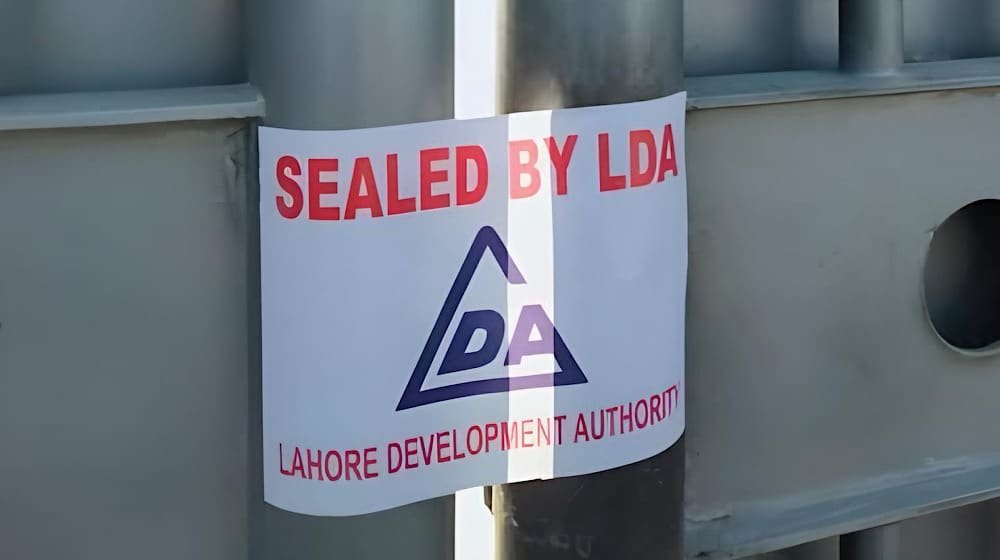
Lahore | ReNews Pakistan On the directives of LDA Director General Tahir Farooq, the Lahore Development Authority (LDA) Town Planning Wing has intensified its crackdown on illegal commercial activities and non-payment of commercial fees. LDA teams conducted operations across various areas within the authority’s controlled jurisdiction, sealing a total of 81 properties. According to the LDA, the operations were carried out in Gulberg, Canal Road, Gulshan Ravi, Shadbagh, Shah Jamal, Poonch Road and Allama Iqbal Town. In Gulberg, 30 properties were sealed for illegal commercial use. A further 40 properties were sealed along Canal Road, Gulshan Ravi, Shadbagh, Shah Jamal and Poonch Road over violations involving illegal commercial use and non-payment of commercial fees. During a recovery operation in Allama Iqbal Town, another 11 properties were sealed. The sealed properties included private schools, grocery stores, beauty salons, cafés, restaurants, food points, clinics, pharmacies, shops, showrooms, auto workshops and offices, among other commercial establishments. The LDA said the operation was conducted under the supervision of Chief Town Planner-I Asad-uz-Zaman. The authority stated that action against illegal commercial buildings and property owners who have defaulted on commercial fees would continue without discrimination across the city. LDA Director General Tahir Farooq said no leniency would be shown toward properties violating regulations and that strict enforcement of commercial rules would be ensured.
لاہور : ری نیوز پاکستان ڈی جی ایل ڈی اے طاہر فاروق کی ہدایت پر لاہور ڈویلپمنٹ اتھارٹی (ایل ڈی اے) کے ٹاؤن پلاننگ ونگ نے غیرقانونی کمرشل سرگرمیوں اور کمرشل فیس کی عدم ادائیگی کے خلاف کارروائیاں تیز کر دی ہیں۔ ایل ڈی اے ٹیموں نے ایل ڈی اے کے کنٹرولڈ ایریا کے مختلف علاقوں میں آپریشن کرتے ہوئے مجموعی طور پر 81 املاک سیل کر دیں۔ ایل ڈی اے کے مطابق کارروائیاں گلبرگ، کینال روڈ، گلشن راوی، شادباغ، شاہ جمال، پونچھ روڈ اور علامہ اقبال ٹاؤن میں کی گئیں۔ گلبرگ میں غیرقانونی کمرشل استعمال کے خلاف کارروائی کرتے ہوئے 30 املاک سیل کی گئیں۔ کینال روڈ، گلشن راوی، شادباغ، شاہ جمال اور پونچھ روڈ میں غیرقانونی کمرشل استعمال اور کمرشل فیس کی عدم ادائیگی پر 40 املاک سیل کی گئیں، جبکہ ریکوری آپریشن کے دوران علامہ اقبال ٹاؤن میں 11 املاک سیل کی گئیں۔ سیل کی جانے والی املاک میں نجی سکول، گروسری سٹورز، بیوٹی سیلون، کیفے، ریسٹورنٹس، فوڈ پوائنٹس، کلینکس، فارمیسیز، دکانیں، شورومز، آٹو ورکشاپس اور دفاتر سمیت مختلف کمرشل ادارے شامل ہیں۔ ایل ڈی اے کے مطابق آپریشن چیف ٹاؤن پلانر ون اسد الزمان کی زیرنگرانی کیا گیا۔ اتھارٹی کا کہنا ہے کہ شہر میں غیرقانونی کمرشل عمارتوں اور کمرشل فیس کے نادہندہ مالکان کے خلاف کارروائیاں بلاامتیاز جاری رکھی جائیں گی۔ ڈی جی ایل ڈی اے طاہر فاروق نے واضح کیا کہ قوانین کی خلاف ورزی کرنے والی املاک کے خلاف کارروائی میں کسی قسم کی رعایت نہیں برتی جائے گی اور کمرشل ضوابط پر عملدرآمد یقینی بنایا جائے گا۔
Published: August 25, 2026 at 6:31 PM
PLRA System Faces Technical Glitches, Severely Disrupting Property Transactions Across Punjab
پی ایل آر اے کے سسٹم میں تکنیکی مسائل پیدا ہوگئے، صوبہ بھر میں پراپرٹی ٹرانزیکشنز کی کارروائیاں شدید متاثر
▫️Technical issues and difficulties in challan issuance delay property transactions in several areas, raising concerns among real estate stakeholders
▫️تکنیکی خرابیوں اور چالان کے اجراء میں مشکلات سے کئی علاقوں میں جائیداد کے لین دین میں تاخیر ہوگئی، رئیل اسٹیٹ سے وابستہ افراد میں تشویش
Lahore | ReNews Pakistan Property registration activities in Punjab are facing renewed difficulties as technical and system related issues involving...
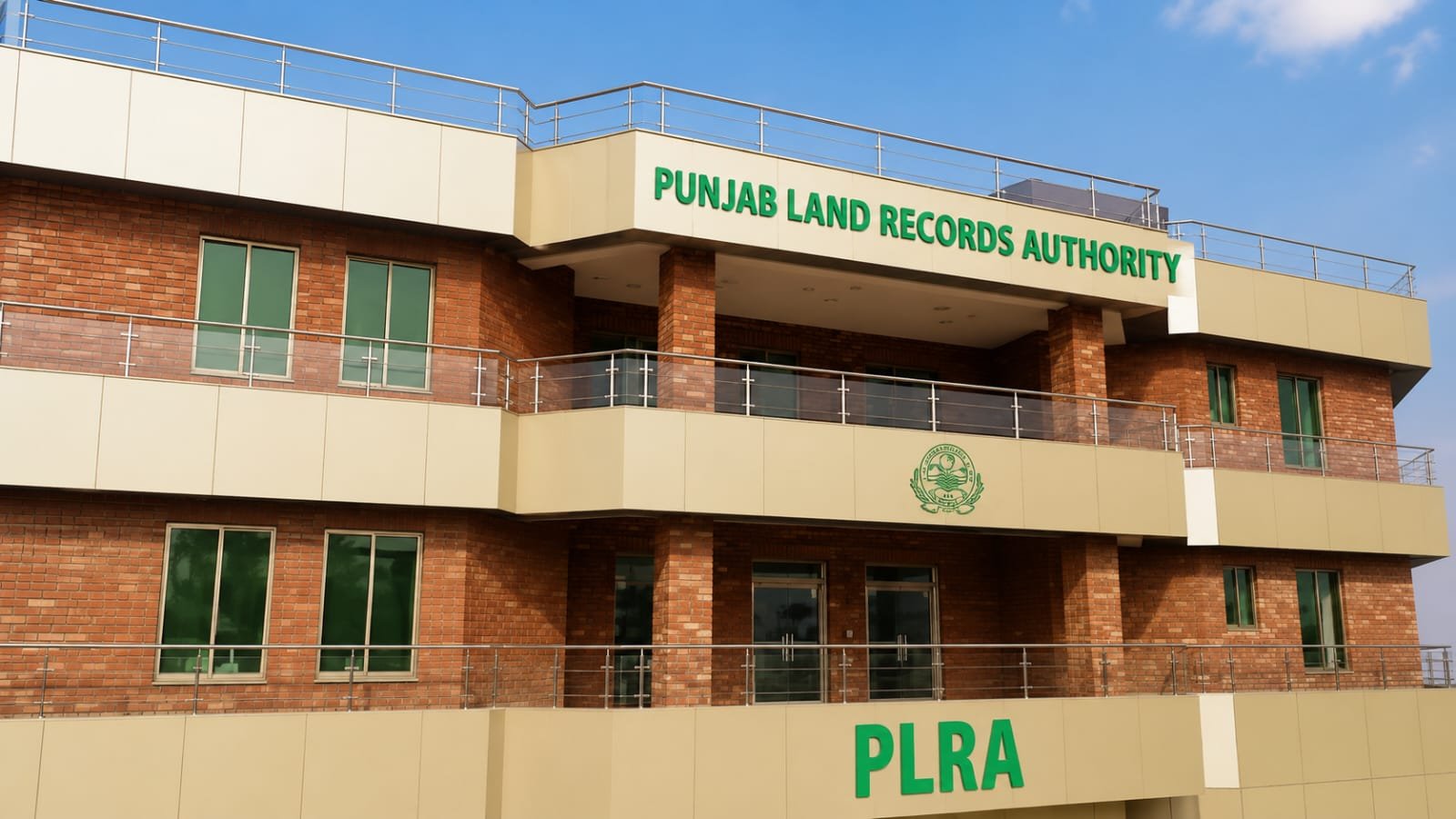
Lahore | ReNews Pakistan Property registration activities in Punjab are facing renewed difficulties as technical and system related issues involving the Punjab Land Records Authority (PLRA) and Federal Board of Revenue (FBR) continue to affect the processing of property transactions. The latest situation has created uncertainty among property buyers, sellers, deed writers and real-estate professionals, particularly over the generation and verification of challans required before a registry can be completed. Reports of disruptions have emerged against the backdrop of the province’s transition towards a more integrated digital property-registration system. Similar technical problems were reported in June, when PLRA and FBR portal glitches reportedly prevented some sub-registrars from accessing the systems and left registrations pending. However, as of August 25, there is no official PLRA notification available confirming a complete province-wide suspension of property registries. The official PLRA website continues to show “Apply for New Registry” as an active service and provides the digital procedure for completing registration. Under the current digital process, applicants have to generate the required e-Stamp challan, pay stamp duty and applicable FBR taxes, registration and mutation fees, and then proceed through verification and the Sub Registrar process. The disruption is therefore being viewed primarily as a system and implementation problem rather than a formally announced ban on registries. The issue is particularly significant because Punjab has recently introduced major changes to its land and property-record system, including the Green Property Certificate, which became mandatory for land and property transactions from July 1. The certificate was introduced under the Punjab Urban Land Systems Enhancement (PULSE) project to improve transparency and security in property transactions. Property stakeholders are concerned that delays in digital verification, challan processing and coordination between PLRA and FBR systems could slow transactions and affect government revenue collection. A previous disruption in Rawalpindi also demonstrated the impact that administrative and valuation changes can have on registrations. In July, a sharp increase in DC valuation rates, combined with the absence of updated tax and fee notifications, reportedly brought registrations in the district to a standstill, leaving thousands of cases pending. The latest developments have consequently renewed calls from property stakeholders for PLRA, the Board of Revenue and FBR to ensure uninterrupted operation of the digital registration system and provide clear instructions to registration offices. For now, the official PLRA platform continues to advertise registry services, indicating that registrations have not been officially suspended across Punjab, although transaction-level disruptions may be occurring because of technical and procedural issues.
لاہور | ری نیوز پاکستان پنجاب میں جائیدادوں کی رجسٹریوں کا عمل ایک بار پھر مشکلات کا شکار ہو گیا ہے، جہاں پنجاب لینڈ ریکارڈ اتھارٹی (PLRA) اور فیڈرل بورڈ آف ریونیو (FBR) کے نظام سے متعلق تکنیکی اور سسٹم مسائل کے باعث پراپرٹی ٹرانزیکشنز کی کارروائی متاثر ہونے کی اطلاعات سامنے آئی ہیں۔ تازہ صورتحال نے جائیداد خریدنے اور فروخت کرنے والے افراد، ڈِیڈ رائٹرز اور رئیل اسٹیٹ سے وابستہ افراد میں تشویش پیدا کر دی ہے، خصوصاً رجسٹری مکمل کرنے سے قبل درکار چالان کے اجرا اور تصدیق کے عمل میں پیش آنے والی مشکلات کے باعث معاملات تاخیر کا شکار ہو رہے ہیں۔ یہ رکاوٹیں ایسے وقت میں سامنے آئی ہیں جب صوبہ پنجاب جائیدادوں کی رجسٹری اور لینڈ ریکارڈ کے نظام کو مزید مربوط اور ڈیجیٹل بنانے کے مرحلے سے گزر رہا ہے۔ اس سے قبل جون میں بھی پی ایل آر اے اور ایف بی آر کے آن لائن پورٹلز میں تکنیکی خرابیوں کے باعث بعض سب رجسٹرارز کو سسٹم تک رسائی میں مشکلات پیش آئی تھیں، جس کے نتیجے میں متعدد رجسٹریاں زیر التوا رہ گئی تھیں۔ تاہم 25 اگست تک پی ایل آر اے کی جانب سے پنجاب بھر میں پراپرٹی رجسٹریوں کی مکمل معطلی کا کوئی باضابطہ نوٹیفکیشن سامنے نہیں آیا۔ پی ایل آر اے کی سرکاری ویب سائٹ پر اب بھی ’’نئی رجسٹری کے لیے درخواست‘‘ کی سہولت فعال دکھائی دے رہی ہے اور رجسٹری کے لیے ڈیجیٹل طریقہ کار بھی موجود ہے۔ موجودہ ڈیجیٹل نظام کے تحت درخواست گزاروں کو متعلقہ ای اسٹیمپ چالان تیار کرنا، اسٹامپ ڈیوٹی اور ایف بی آر کے قابل اطلاق ٹیکسز، رجسٹریشن فیس اور میوٹیشن فیس ادا کرنا ہوتی ہے، جس کے بعد تصدیق اور سب رجسٹرار کے دفتر میں رجسٹری کا عمل مکمل کیا جاتا ہے۔ اس صورتحال کو فی الحال رجسٹریوں پر باضابطہ پابندی کے بجائے نظام اور عملدرآمد سے متعلق مسئلہ قرار دیا جا رہا ہے۔ معاملہ اس لیے بھی اہم ہے کہ پنجاب میں حال ہی میں لینڈ اور پراپرٹی ریکارڈ کے نظام میں اہم تبدیلیاں کی گئی ہیں، جن میں گرین پراپرٹی سرٹیفکیٹ کا اجرا بھی شامل ہے۔ یہ سرٹیفکیٹ یکم جولائی سے پنجاب میں زمین اور جائیداد سے متعلق لین دین کے لیے لازمی قرار دیا گیا ہے۔ اس نظام کا مقصد پنجاب اربن لینڈ سسٹمز انہانسمنٹ (PULSE) منصوبے کے تحت جائیداد کے معاملات میں شفافیت اور سکیورٹی کو بہتر بنانا ہے۔ پراپرٹی سیکٹر سے وابستہ حلقوں کو خدشہ ہے کہ ڈیجیٹل تصدیق، چالان کے اجرا اور پی ایل آر اے و ایف بی آر کے نظام میں رابطے کی مشکلات کے باعث جائیدادوں کے لین دین کی رفتار متاثر ہونے کے ساتھ ساتھ حکومتی محصولات کی وصولی بھی متاثر ہو سکتی ہے۔ اس سے قبل راولپنڈی میں بھی انتظامی اور ویلیوایشن سے متعلق تبدیلیوں کے باعث رجسٹریوں کے عمل میں شدید رکاوٹ پیدا ہوئی تھی۔ جولائی میں ڈی سی ویلیوایشن ریٹس میں نمایاں اضافے اور نئے ٹیکس و فیس نوٹیفکیشنز کی عدم دستیابی کے باعث ضلع میں رجسٹریوں کا عمل رک گیا تھا اور ہزاروں کیسز زیر التوا رہنے کی اطلاعات سامنے آئی تھیں۔ تازہ صورتحال کے بعد پراپرٹی سے وابستہ حلقوں نے پی ایل آر اے، بورڈ آف ریونیو اور ایف بی آر سے مطالبہ کیا ہے کہ ڈیجیٹل رجسٹریشن سسٹم کو بلا تعطل فعال رکھنے کے لیے فوری اقدامات کیے جائیں اور رجسٹری دفاتر کو واضح ہدایات جاری کی جائیں۔ فی الحال پی ایل آر اے کا سرکاری پلیٹ فارم رجسٹری کی سہولت فراہم کر رہا ہے، جس سے ظاہر ہوتا ہے کہ پنجاب بھر میں رجسٹریوں کی باضابطہ معطلی نہیں کی گئی، تاہم تکنیکی اور انتظامی مسائل کے باعث بعض علاقوں میں انفرادی ٹرانزیکشنز اور رجسٹری کے معاملات متاثر ہونے کا امکان موجود ہے۔