Published: January 22, 2026 - 3:03 PM
Khyber Pakhtunkhwa safety audits find 94 percent of buildings lack basic protection
کے پی کے کی تقریباً 94 فیصد عمارتوں میں حفاظتی انتظامات دستیاب نہیں
▫️Fire safety systems and emergency infrastructure missing in most multi storey structures as authorities order inspections and legal action
Peshawar | ReNews Pakistan Government safety audits conducted by the Khyber Pakhtunkhwa Building Control Authority and the KP Fire Services Department have revealed widespread non compliance with building safety regulations across Pes...
Peshawar | ReNews Pakistan
Government safety audits conducted by the Khyber Pakhtunkhwa Building Control Authority and the KP Fire Services Department have revealed widespread non compliance with building safety regulations across Peshawar and other major urban centres in the province.
According to official assessments carried out over recent weeks, as many as 94 percent of inspected multi storey buildings, plazas, and commercial structures were found to lack essential fire safety and emergency protection measures. These included the absence or malfunctioning of fire alarms, smoke detectors, fire hydrants, emergency exits, and documented evacuation plans.
Officials from the Building Control Authority described the findings as deeply alarming, noting that many buildings had been constructed or occupied without meeting mandatory safety requirements under provincial building regulations. In several cases, systems intended to detect or suppress fires, support evacuation, or provide safe emergency access were either missing altogether, poorly maintained, or installed below minimum standards.
Inspectors also identified additional deficiencies, including the lack of visible safety signage, inaccessible or obstructed stairwells, and the absence of routine inspection and maintenance records.
In response to the audit results, the KP Fire Services Department has been instructed to intensify inspections of high risk properties, including educational institutions, shopping centres, high rise residential buildings, office towers, and other public access facilities. Fire Services officials said notices would be issued to owners and managers requiring immediate corrective measures, including the installation of fire detection systems, proper maintenance of firefighting equipment, and the provision of clear and unobstructed emergency exits.
The provincial government has further directed that legal action be taken against property owners and developers who fail to comply within prescribed timelines. Show cause notices will be issued under existing building control and fire safety laws, with penalties ranging from fines to closure orders and other enforcement measures in cases of continued non compliance.
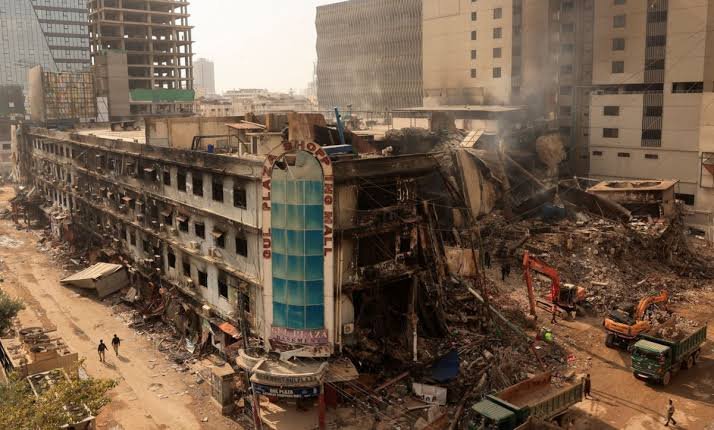
Authorities stressed that fire safety and emergency preparedness are preventive obligations designed to protect human life and reduce property damage during incidents such as fires, earthquakes, or other emergencies. Officials said the findings point to a broader pattern in which rapid urban development has outpaced effective enforcement of safety standards.
The KP Fire Services Department noted that many building owners and occupants were either unaware of mandatory compliance requirements or had delayed safety upgrades due to cost considerations. In response, the provincial administration has called for targeted awareness campaigns to inform owners, tenants, and residents of their legal responsibilities and the critical importance of functional safety systems.
Follow up inspections have been scheduled, and deadlines have been set for required improvements. Property owners have been advised to engage qualified engineers and safety professionals to conduct comprehensive audits and bring buildings into compliance with provincial codes.
Provincial authorities reiterated that enforcement of building safety regulations remains a priority and warned that continued negligence would invite strict penalties under the law. The government said monitoring would continue across Peshawar and other urban centres to safeguard public safety and strengthen regulatory oversight.