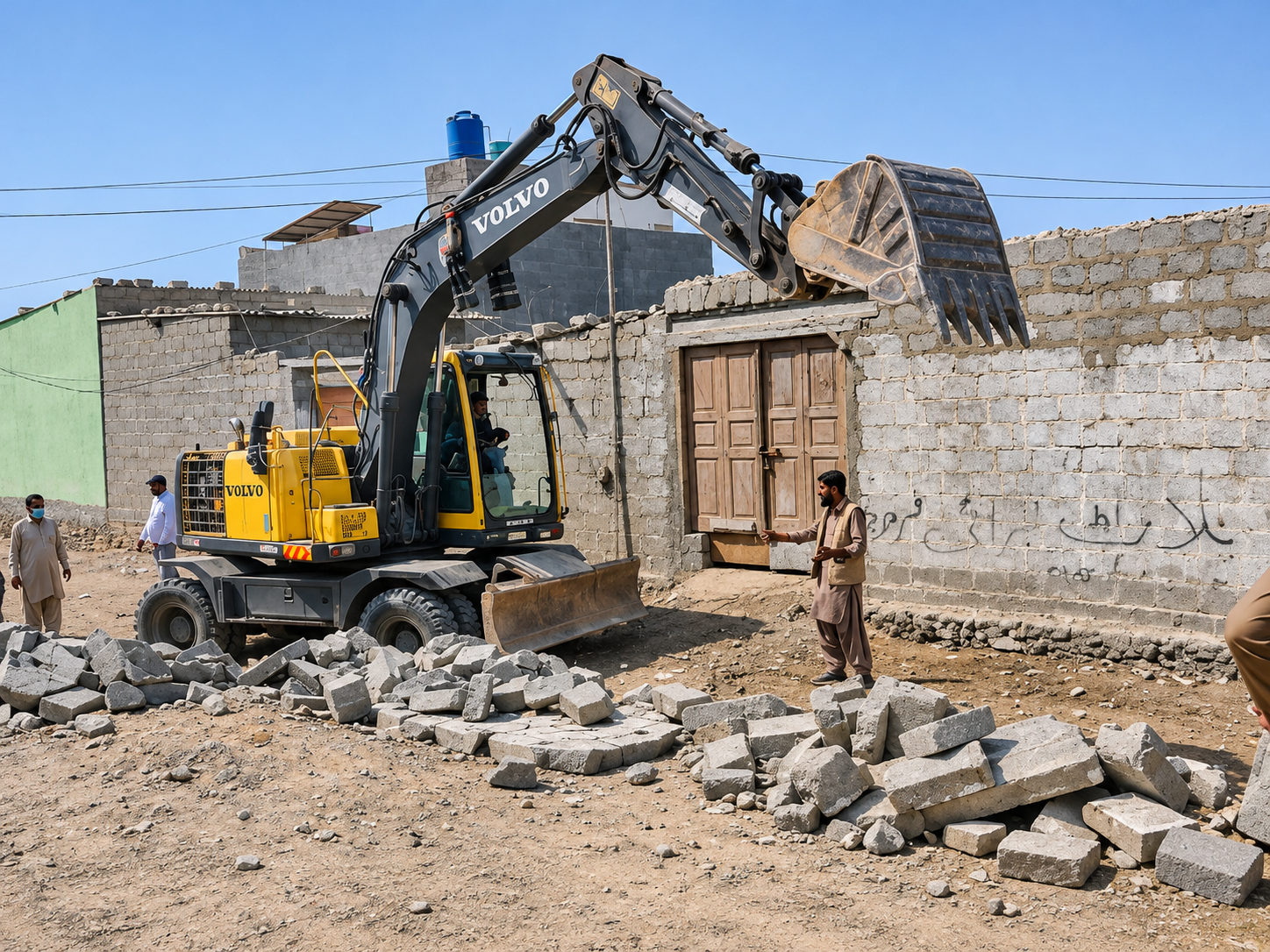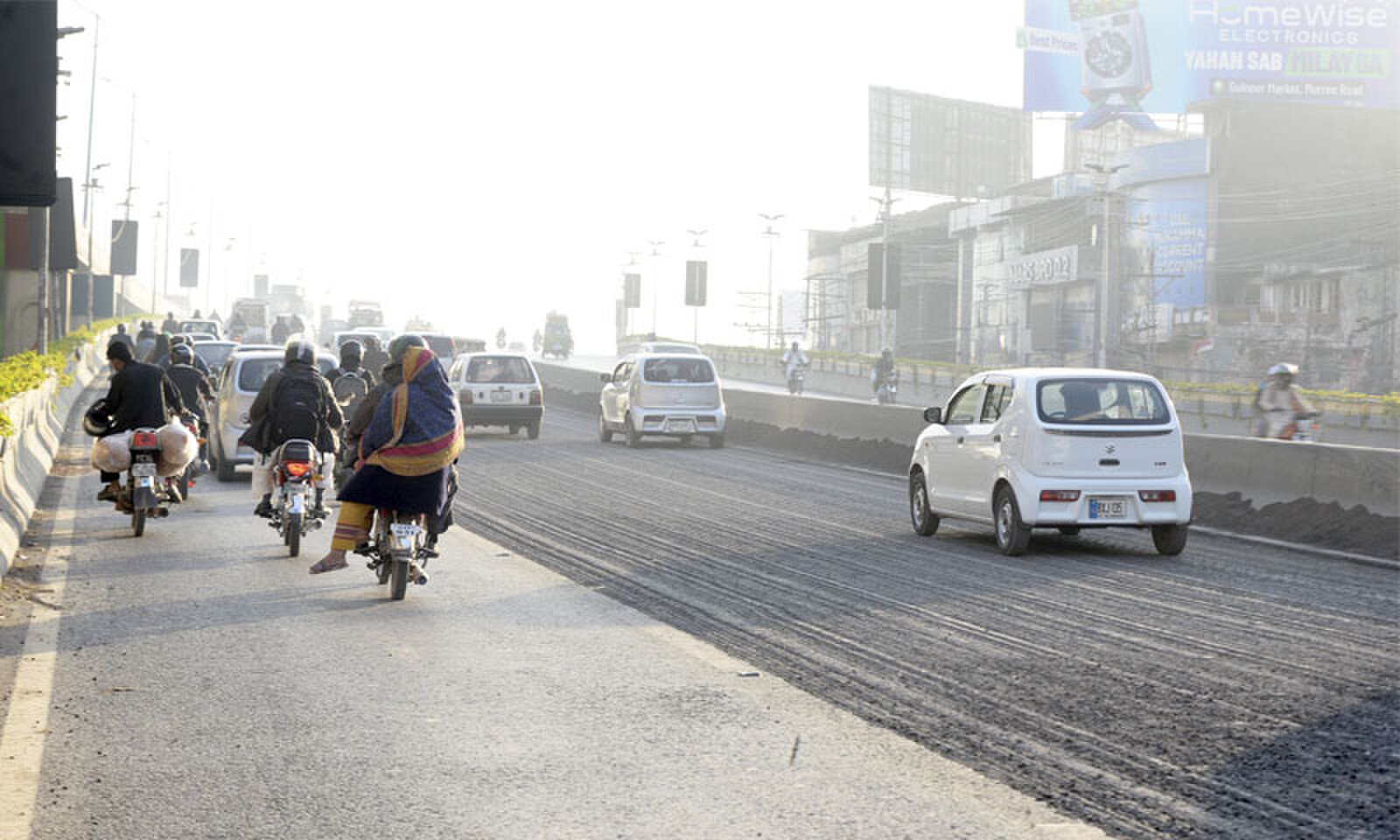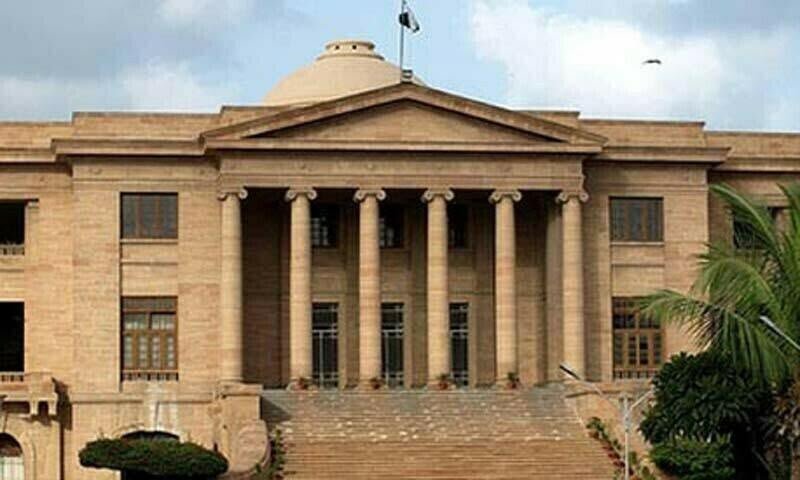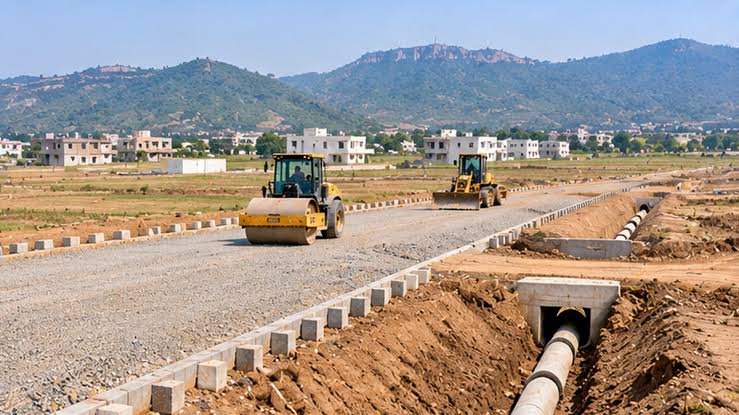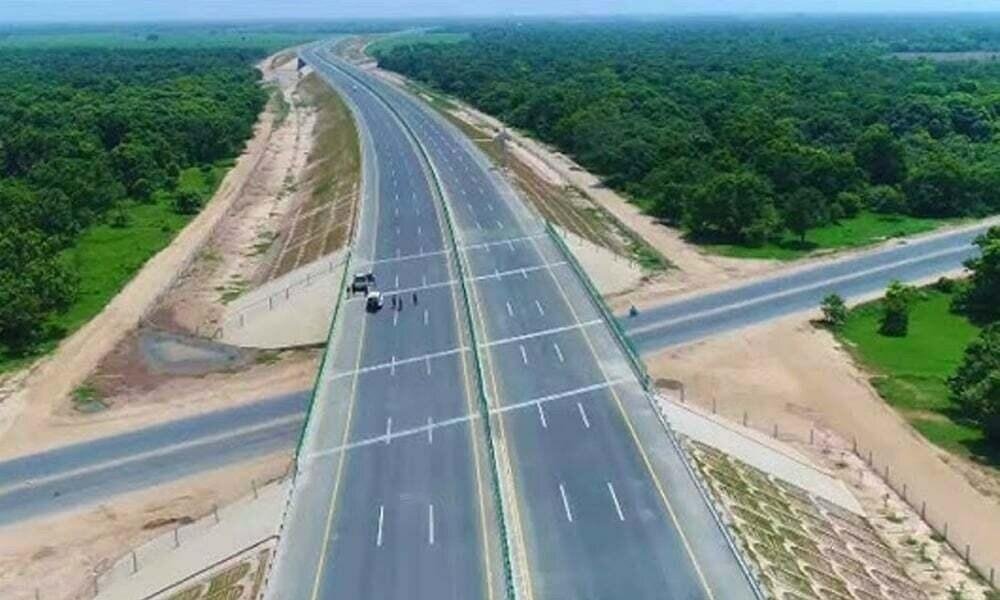
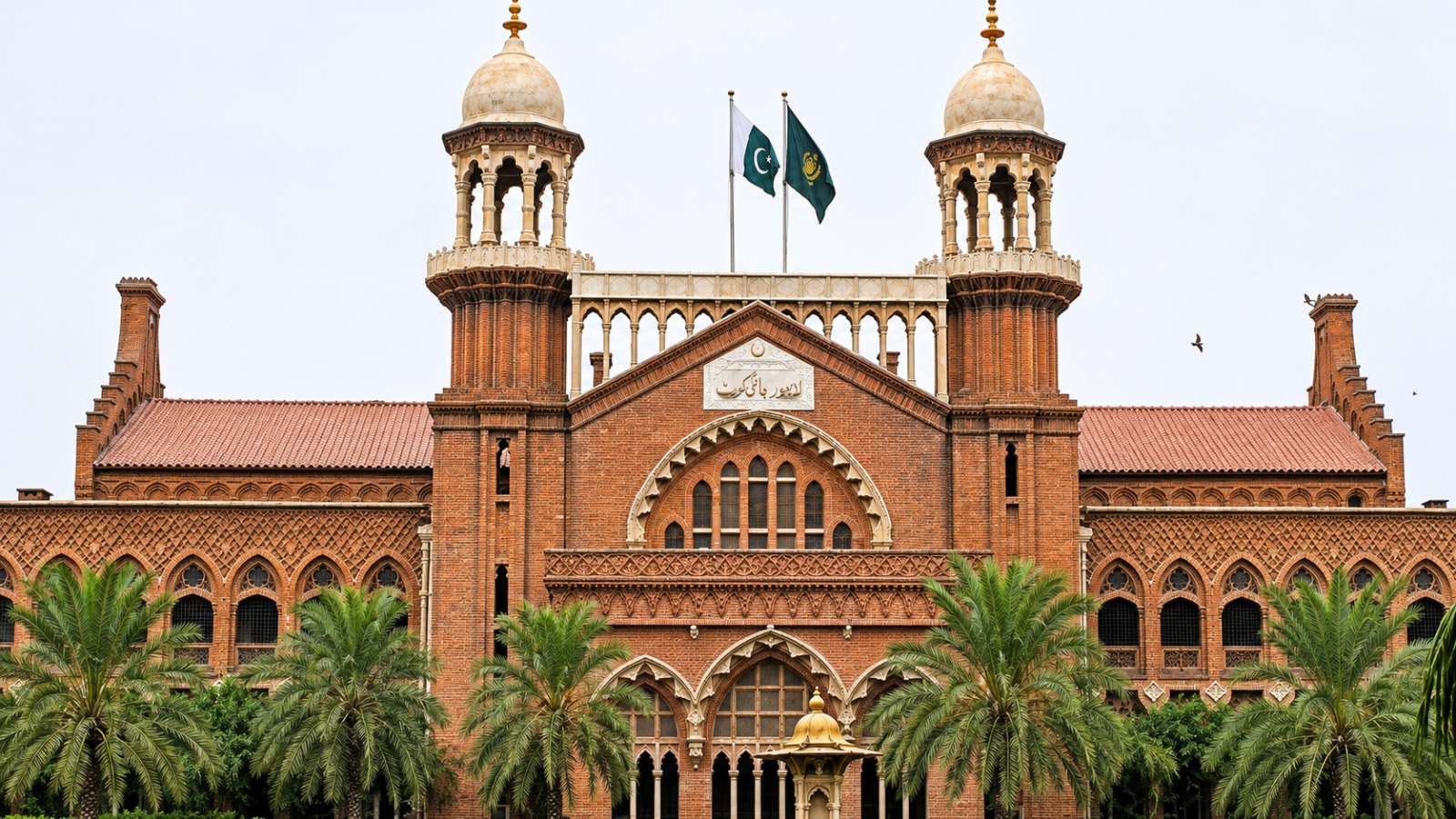
The Lahore High Court (LHC) has suspended an e-tender for a road construction project in Rajanpur district financed through funds collected under the Sugarcane Development Cess, raising questions about the legality of the committee responsible for allocating and utilizing the development levy.
Justice Jawad Hassan issued the interim order while admitting a petition filed by Indus Sugar Mills Limited for regular hearing. The sugar mill challenged the constitution and composition of the committee overseeing the cess funds, as well as the allocation and proposed expenditure of those funds on road construction and improvement projects. Following preliminary arguments, the court suspended the e-tender notice issued on October 9, 2026, by the Superintending Engineer, Highway Circle, Dera Ghazi Khan, and restrained further proceedings by the committee until the next hearing scheduled for December 9. The order temporarily halts the tendering process while the court examines whether the relevant authorities complied with statutory requirements in approving the development initiative.
Representing Indus Sugar Mills Limited, counsel Ahmad Raza argued that Rule 9(a-1), clause (ix), of the Punjab Sugarcane (Development) Cess Rules, 1964, establishes mandatory requirements for the committee's composition to ensure stakeholder representation, accountability and transparent utilization of funds collected through the statutory levy. He submitted that Muhammad Awais Drashik, the Member of the Provincial Assembly representing constituency PP-296, where the sugar mill is located, had not been included in the committee despite the prescribed legal requirement.
According to the petitioner, repeated representations were submitted to the concerned authorities and the committee seeking correction of the alleged irregularity, but no effective action was taken. The counsel maintained that the petition was not intended merely to secure the inclusion of a particular individual; rather, it raised a broader legal question concerning the validity of a statutory committee empowered to determine how public development funds should be spent. He also referred to Articles 4 and 10-A of the Constitution, previous Lahore High Court observations regarding the limits of statutory powers and a Supreme Court judgment concerning petitions involving matters of public importance.
During the proceedings, Additional Advocate General Bashir Ahmed Buzdar challenged the maintainability of the petition and informed the court that only the Rajanpur deputy commissioner had submitted a written response, while three other respondents had yet to file their reports or comments. The law officer requested additional time to obtain the remaining submissions. Justice Jawad Hassan observed that the dispute involved more than an ordinary administrative disagreement because it concerned compliance with legally prescribed procedures governing the constitution and functioning of a public committee. The court emphasized that when legislation specifies a particular procedure, the relevant authorities cannot replace it with an alternative administrative arrangement or disregard mandatory legal requirements. After examining the preliminary submissions, the judge found that the petitioner had established a prima facie case and that the balance of convenience supported granting interim relief. The court also observed that allowing the tendering process to proceed could create third-party contractual interests, potentially complicating the dispute and undermining the effectiveness of its eventual judgment.
Consequently, the Lahore High Court suspended the October 9 e-tender notice and further proceedings of the disputed committee pending the next hearing. The court directed the government law officer to ensure that all respondents submit their written statements before December 9 and summoned the Rajanpur deputy commissioner to appear in person alongside senior officials from the other concerned departments. The judge clarified that the interim suspension should not be interpreted as a final determination of the legality of the committee, the proposed allocation of Sugarcane Development Cess funds or the road construction project itself. The case highlights the importance of statutory compliance and transparent decision-making in the financing of public infrastructure, particularly road development schemes supported by funds collected from specific economic sectors.
Published: November 14, 2026 - 1:01 PM
LHC Suspends Rajanpur Road Construction Tender Over Sugarcane Development Cess Dispute
لاہور ہائی کورٹ نے شوگر کین ڈویلپمنٹ سیس فنڈز سے راجن پور میں سڑک کی تعمیر کا ٹینڈر معطل کر دیا
▫️ The court halts road project funded through Sugarcane Development Cess after sugar mill challenges legality of committee responsible for allocating development funds
The Lahore High Court (LHC) has suspended an e-tender for a road construction project in Rajanpur district financed through funds collected under the Sugarcane Development Cess, raising questions about the legality of the committee respo...