

Ho Chi Minh City | ReNews International Desk news
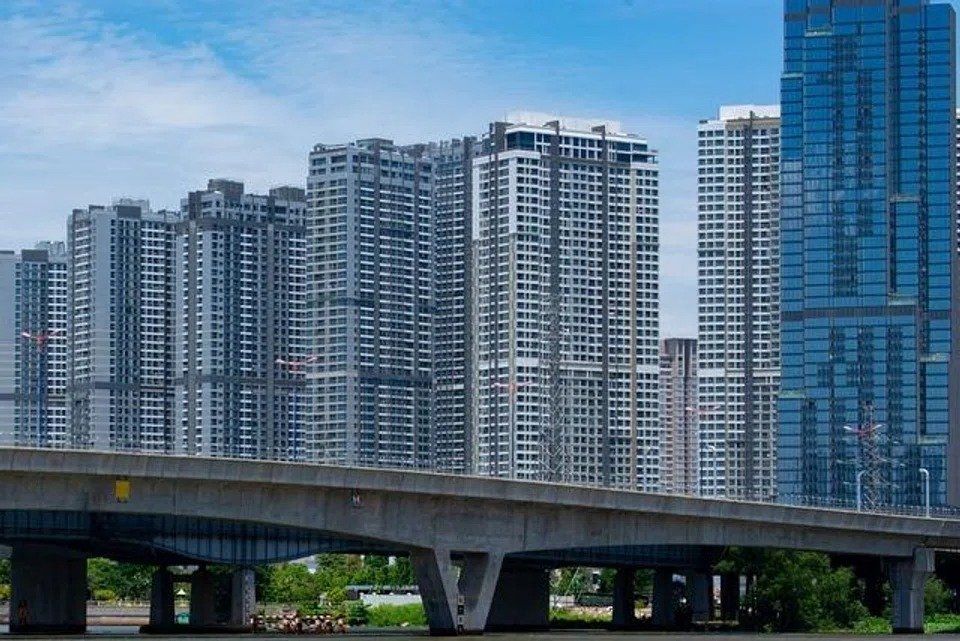
Vietnam is moving to make rental housing a central part of its national housing strategy as rising apartment prices push homeownership beyond the reach of many young workers and ordinary households.
The policy shift marks a major change in Vietnam’s long-standing property culture, where buying land or housing, holding it and building family wealth through rising land values has remained a powerful economic instinct.
Vietnam’s president and Communist Party chief, To Lam, said in May that rental housing should become a strategic pillar until 2030, particularly in major urban areas, industrial zones and locations where property prices have moved far beyond local income levels.
Prime Minister Le Minh Hung also called for a transformation in thinking after a meeting with Ho Chi Minh City’s party leadership on June 15, stressing the need to move from simply supporting ownership toward ensuring the right to accommodation for all citizens.
The momentum behind this policy shift is becoming visible in both public and private-sector participation. In Ho Chi Minh City, 13 organizations and companies have committed to developing nearly 100,000 rental housing units, including major developers such as CT Group, Novaland, Vingroup and Nam Long, according to VnEconomy.
Hanoi also broke ground on three rental housing projects on June 22, planned to deliver more than 8,000 apartments. The projects are located around 8 to 10 kilometers from the downtown core near Hoan Kiem Lake, according to SGGP English Edition.
Authorities are also considering higher state funding for national and local housing funds, along with incentives for private developers, including preferential credit, land fee support and other policy measures.
Analysts say the shift is being driven by a widening affordability gap. As apartment prices rise faster than household incomes, rental housing is increasingly being seen as a practical tool to reduce urban housing pressure and support more inclusive growth in Vietnam’s major cities.
Published: June 29, 2026 - 11:40 AM
Vietnam Pushes Rental Housing as Property Prices Move Beyond Ordinary Buyers
ویتنام گھروں کو سرمایہ کاری کے بجائے رہائش کیلئے استعمال کرنے کی نئی پالیسی پر گامزن
▫️Government shifts focus from ownership support to housing access as developers commit thousands of rental units by 2030
Ho Chi Minh City | ReNews International Desk newsVietnam is moving to make rental housing a central part of its national housing strategy as rising apartment prices push homeownership beyond the reach of many young workers and ordinary h...
































