Kohat | ReNews Pakistan
A significant subsurface hydrocarbon discovery in District Kohat, Khyber Pakhtunkhwa, is poised to strengthen the economic profile of the region, with potential spillover effects on land utilisation, infrastructure expansion, and long-term asset valuation.
According to a formal disclosure submitted to the Pakistan Stock Exchange (PSX), the exploratory well Baragzai X-01 (Slant), drilled under the Nashpa Exploration License, has yielded commercially viable flows of both oil and natural gas from the Lockhart limestone formation. The operator holds a 65 percent working interest in the block, in partnership with two other state-backed entities.
During testing, the well recorded output of approximately 3,765 barrels of oil per day and 11.2 million standard cubic feet of gas per day at strong wellhead pressure, underscoring the field’s production capacity. The well, spudded in December 2024, was drilled to a depth of 5,170 meters, targeting multiple geological formations known for hydrocarbon potential. Earlier formation tests also resulted in positive flows, further reinforcing the block’s commercial viability.
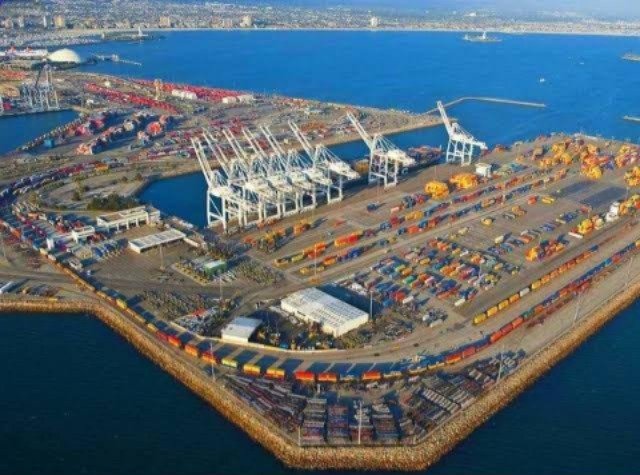
Energy analysts observe that such discoveries often catalyze broader economic activity in adjacent zones, including road connectivity, logistics corridors, storage facilities, and worker accommodation clusters. Over time, these developments can reshape land demand dynamics, particularly in districts with emerging industrial footprints.
The increased output from indigenous resources is expected to support domestic energy security and reduce import dependence, a factor that indirectly strengthens investor confidence in upstream-linked regions. Historically, confirmed hydrocarbon production in underdeveloped districts has accelerated ancillary development, including warehousing, service yards, and support infrastructure.
Local stakeholders anticipate that improved economic activity may enhance land utility patterns and drive structured growth, provided regulatory oversight and environmental safeguards remain aligned with development objectives.
With commercial testing yielding encouraging results, the discovery positions the Nashpa belt as a strategic zone for sustained energy-linked expansion, potentially unlocking new avenues for regional development and structured land use planning in Kohat and adjoining areas.

Published: March 4, 2026 - 3:14 PM
Kohat Subsurface Discovery Signals Strategic Boost for Regional Asset Value
کوہاٹ میں تیل اور گیس کے ذخائر اہم دریافت، علاقائی ترقی کے امکانات روشن
▫️ Major hydrocarbon find enhances economic potential of surrounding belt ▫️ Energy output expected to stimulate infrastructure and industrial activity
Kohat | ReNews Pakistan A significant subsurface hydrocarbon discovery in District Kohat, Khyber Pakhtunkhwa, is poised to strengthen the economic profile of the region, with potential spillover effects on land utilisation, infrastruc...