

Islamabad | ReNews Pakistan
The Supreme Court of Pakistan has ruled that depriving women of their lawful share in inherited property through tribal customs, jirga decisions or other traditional practices is illegal, unconstitutional and contrary to the injunctions of Islam. The landmark judgment reinforces that inheritance rights granted under the Holy Quran and Sunnah cannot be curtailed by any customary or informal system.
The ruling was issued in a dispute concerning the inherited property of Mithi Khan, where the Supreme Court upheld the judgment of the Balochistan High Court in favour of the lawful heirs. The court also declared that property rights acquired through fraud have no legal validity and cannot be protected under Pakistani law.
In a detailed judgment authored by Justice Irfan Saadat Khan, the apex court observed that no tribal custom, jirga or local tradition has the legal authority to extinguish or diminish the inheritance rights that Islam grants to women. The court stressed that denying daughters and other female heirs their lawful share of inheritance is a direct violation of both Shariah principles and Pakistan's constitutional and legal framework.
The Supreme Court further clarified that entries recorded in revenue records are not conclusive evidence of ownership if they are based on fraudulent transactions or illegal transfers. It held that revenue documents cannot validate ownership obtained through deception or forgery, and such entries do not create lawful property rights.
Reaffirming the supremacy of Islamic inheritance law, the court directed that inherited property must be distributed strictly in accordance with the principles laid down in the Holy Quran and Sunnah. It emphasized that women's inheritance rights are legally protected and cannot be overridden by tribal traditions, customary practices or private agreements that contradict Islamic law and the Constitution.
Legal experts say the judgment strengthens judicial protection for women's property rights and sends a clear message that customary practices denying inheritance to female heirs will not be recognized by courts. The decision is also expected to influence future inheritance disputes by reinforcing the principle that fraudulent property transfers and unlawful customary arrangements cannot defeat the rights of lawful heirs.
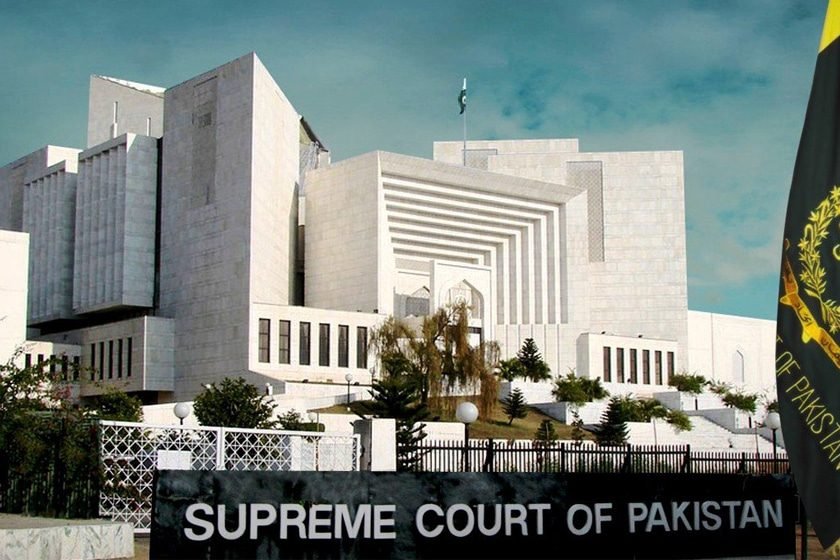
Published: July 8, 2026 - 4:00 PM
Supreme Court Declares Denial of Women’s Inheritance Rights Un-Islamic, Illegal and Unconstitutional
سپریم کورٹ نے خواتین کو وراثت سے محروم کرنا غیر اسلامی، غیر قانونی اور غیر آئینی قرار د یدیا
▫️Court rules that tribal customs, jirga decisions and fraudulent property transfers cannot override the inheritance rights guaranteed to women under the Holy Quran, Sunnah and the Constitution
Islamabad | ReNews PakistanThe Supreme Court of Pakistan has ruled that depriving women of their lawful share in inherited property through tribal customs, jirga decisions or other traditional practices is illegal, unconstitutional and c...

























