

Islamabad | ReNews Pakistan
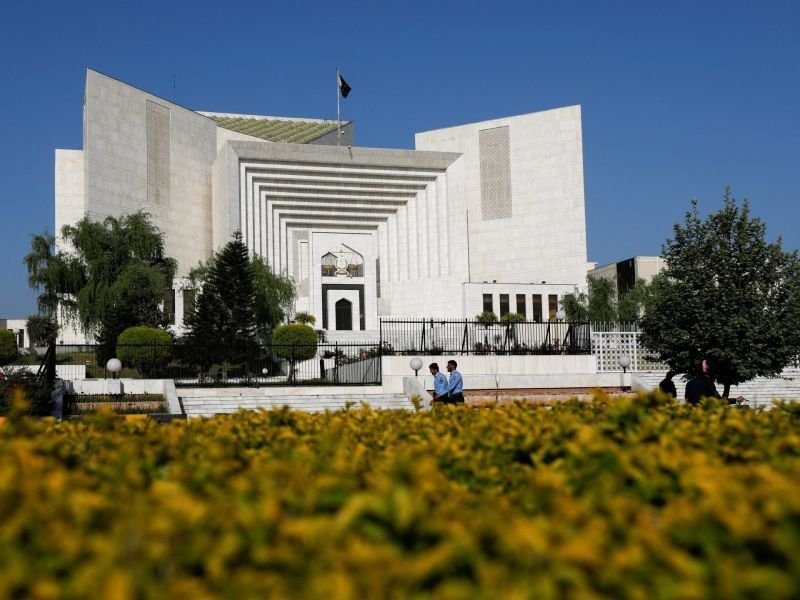
The Supreme Court of Pakistan has dismissed as inadmissible the appeals filed by the Khyber-Pakhtunkhwa (KP) government and the provincial women ombudsperson in a property ownership and distribution dispute, ruling that neither party had the legal standing to challenge the earlier decision.
In a written order authored by Justice Musarrat Hilali, the court observed that the appeals raised important questions regarding the legal role and jurisdiction of government institutions and quasi-judicial authorities in private property disputes. The court questioned why both the provincial government and the ombudsperson pursued appeals when the original private parties involved in the dispute had not filed challenges themselves.
The Supreme Court clarified that the women ombudsperson functions as a quasi-judicial authority under the law, similar to a judicial forum, and is required to maintain institutional neutrality. The court held that such an authority cannot assume the position of an affected party or defend its own decisions in higher courts, as doing so would compromise its impartial role.
The court further ruled that the KP government was neither a legal heir nor a direct stakeholder in the disputed property and had not suffered any personal or proprietary loss as a result of the earlier judgment. Therefore, it lacked the legal standing required to file an appeal in the matter.
However, the Supreme Court clarified that the dismissal of these appeals does not affect the legal rights of the original private claimants, including Shabbir Khan and other parties, who retain the option to pursue legal remedies independently in accordance with applicable laws.
The case originated from a property ownership and inheritance dispute between private individuals, which was initially adjudicated by the KP Women Ombudsperson under the Enforcement of Women’s Property Rights Act, 2019. The law was introduced to provide women with a legal mechanism to address unlawful deprivation of property rights and ensure timely resolution of related complaints.
Following the ombudsperson’s decision, the matter was challenged before the Peshawar High Court, which set aside the ruling on the grounds that the ombudsperson had exceeded the jurisdiction defined under the relevant legal framework.
The Supreme Court’s ruling has clarified the constitutional and legal limits of institutional authority in property adjudication matters, particularly emphasizing the neutral role of quasi-judicial bodies and the importance of maintaining procedural integrity in property dispute resolution.
Legal experts note that the judgment reinforces principles governing appeals and standing in property cases, ensuring that only directly affected parties may challenge judicial or quasi-judicial decisions. The decision is expected to contribute to clearer legal interpretation regarding institutional roles in property ownership disputes and strengthen procedural consistency in future cases involving property rights and inheritance matters.
Published: February 25, 2026 - 9:31 AM
Supreme Court Declares KP Government, Women Ombudsperson Appeals Inadmissible in Property Ownership Dispute
سپریم کورٹ نے خیبرپختونخوا حکومت اور خاتون محتسب کی اپیلیں مسترد کر دیں
▫️ Court rules ombudsperson cannot act as party in appeals due to quasi-judicial neutrality ▫️ Decision reinforces legal boundaries in property adjudication under Women Property Act 2019
Islamabad | ReNews Pakistan The Supreme Court of Pakistan has dismissed as inadmissible the appeals filed by the Khyber-Pakhtunkhwa (KP) government and the provincial women ombudsperson in a property ownership and distribution dispute...
































