Currently viewing
Housing Societies Coverage
Why Is Rent So Expensive? Why Is Pakistan’s Rental Housing Crisis Getting Worse?
August 31, 2026
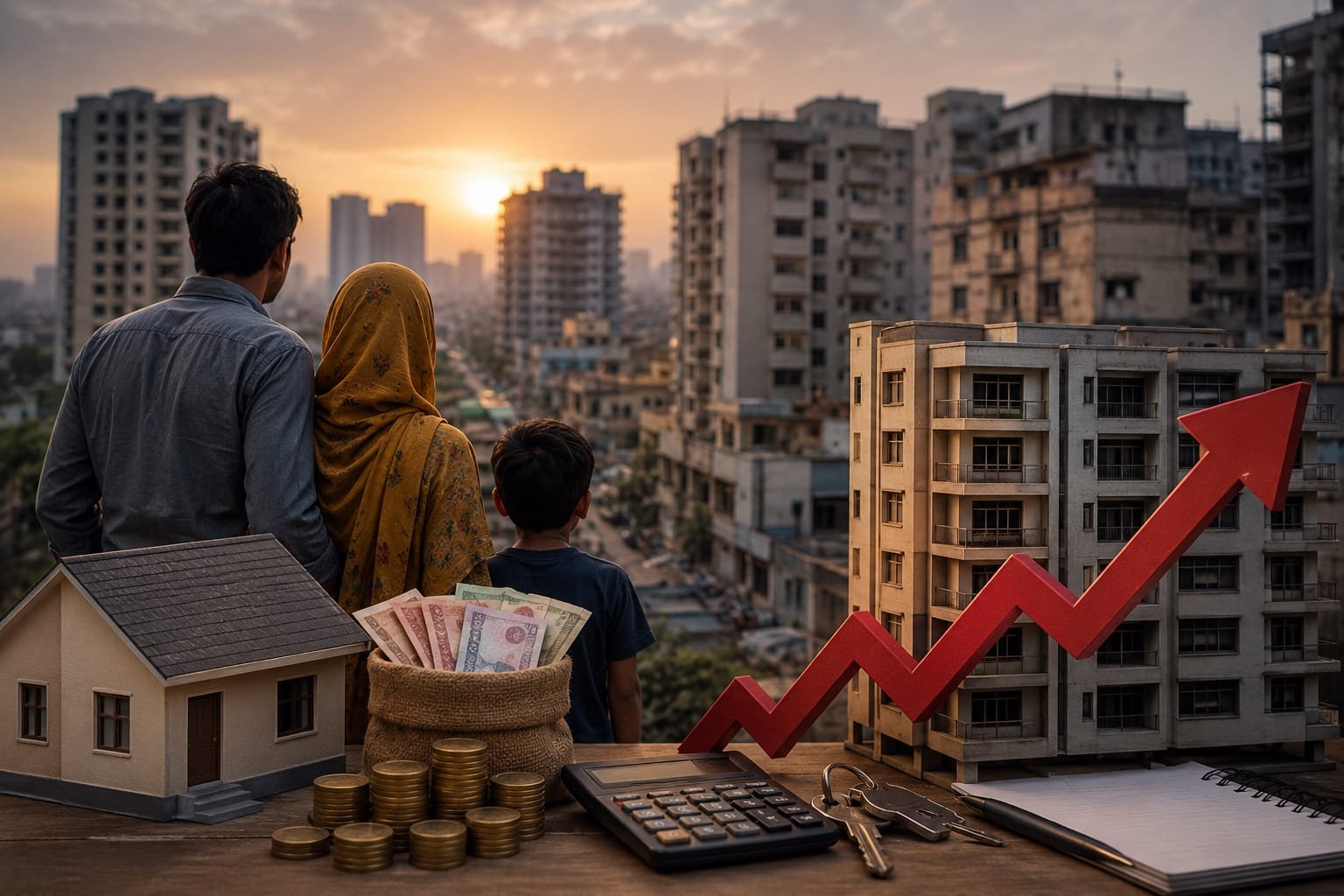
Owning a home is a long-standing aspiration for Pakistanis, but rising inflation, soaring land prices, increasing construction costs and limited household incomes have made homeownership increasingly difficult for the middle- and lower-income segments. As a result, a large number of families rely on rented accommodation, yet finding decent and affordable housing on rent is itself becoming a major financial challenge.
In major cities, particularly Lahore, Karachi, Islamabad, Rawalpindi and Faisalabad, continuous population growth, migration to urban centres for employment and rising housing requirements have increased demand for rental properties. However, the supply of quality and affordable rental housing has failed to keep pace with this growing demand. Consequently, rents for reasonably located and adequately equipped homes consume a significant portion of the monthly income of middle-class households.
The problem is not limited to rising rents. Tenants also have to bear security deposits, advance rent, electricity, gas, water, maintenance and other associated expenses. Many families, despite seeking safer and better-quality accommodation, are forced to compromise on location and facilities and move to less expensive areas simply to keep their monthly budgets under control.
Another major challenge is that Pakistan’s rental housing sector largely operates on an informal basis. The absence of clear and effective mechanisms governing tenancy agreements, rent increases, security deposits and other matters often leads to disputes between landlords and tenants. At the same time, opportunities for tenants to secure stable, long-term accommodation remain limited.
The growing crisis also raises an important question: should Pakistan’s housing policy remain focused primarily on constructing homes and promoting homeownership? If the government genuinely wants to address the country’s housing challenges, affordable rental housing must also become an integral part of the national housing policy.
Public-private partnerships could be used to develop low-cost apartments, dedicated rental housing projects and long-term lease models. Targeted rental assistance for low-income families, tax incentives and affordable housing initiatives could also help ease the pressure on tenants.
The real need is for a housing policy that treats a home not merely as an investment or property asset, but as a basic human necessity. If millions of families continue to spend a substantial share of their income on rent, they will have fewer resources available for education, healthcare, food and savings.
Pakistan’s rental housing crisis is therefore not simply a story about rising rents. It is an issue directly linked to urban living, household financial stability and long-term economic security. The time has come for policymakers to address a fundamental question in the country’s housing strategy: If everyone cannot afford to own a home, should they not at least have access to decent, safe and affordable rental accommodation?