Currently viewing
Housing Societies Coverage
Gulf War Impact: Pakistanis Begin Bringing Property Investment Back from Dubai
September 3, 2026
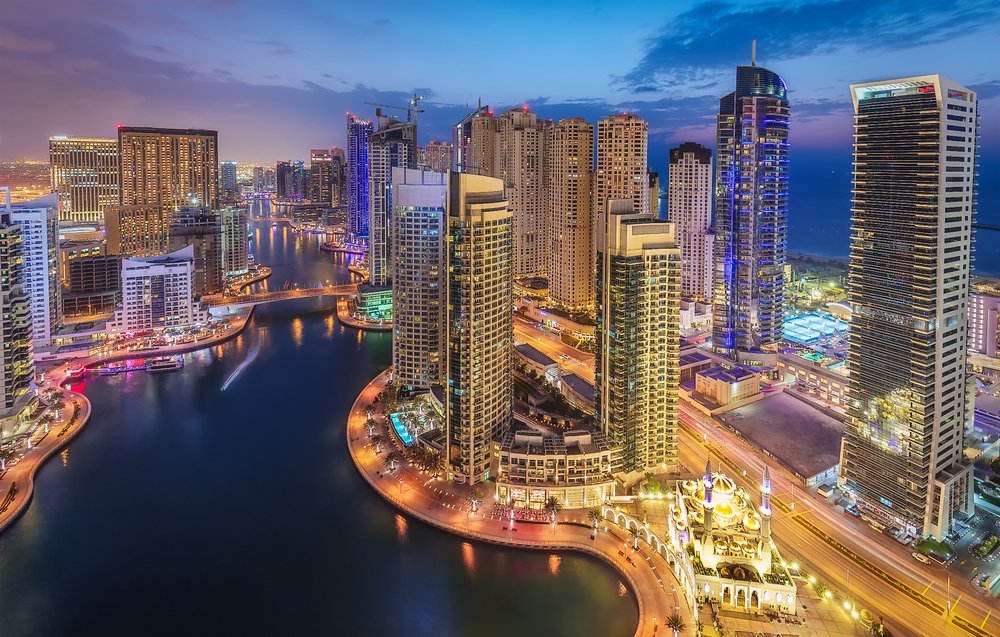
For several years, Dubai has remained a major destination for Pakistani investors seeking to invest in real estate abroad. Thousands of Pakistanis have invested in residential and commercial projects in Dubai, while many businesspeople have also regarded the emirate as a relatively secure destination for their business and financial assets. However, the ongoing conflict in the Gulf and growing geopolitical tensions appear to be changing this trend, with market sources indicating that some Pakistani investors are bringing funds held in Dubai back to Pakistan and redirecting them towards the local real estate market.
According to recent reports, Pakistan has twice ranked as the second-largest foreign investor in Dubai’s property market. Pakistani investors have been attracted to Dubai by the rapid growth of its real estate sector, business-friendly environment, international outlook and diverse investment opportunities. However, the current regional crisis has altered investors’ perception of risk. Some market sources suggest that investors who previously moved funds to Dubai are now finding it more difficult to repatriate or reposition those investments, prompting them to explore alternative destinations.
One significant impact of this shift is becoming visible in Pakistan’s domestic property market. Property prices have reportedly increased substantially in some areas of Karachi, particularly Defence. According to market sources, property prices in certain parts of Defence have risen by around 50 to 60 percent since the Gulf conflict began, while increases of 20 to 25 percent have been reported in other parts of Karachi. Property dealers say buying and selling activity has also increased as liquidity in the local market has improved.
A sensitive aspect of the situation concerns claims regarding undeclared or illicit capital. Hasan Bakhshi, chairman of the All Pakistan Builders Association, has reportedly claimed that around $60 million in such funds is generated in Pakistan every month and was previously transferred to Dubai. According to him, this flow has now slowed or stopped. However, this figure is a market estimate and has not been independently verified; therefore, it should not be treated as an official government statistic.
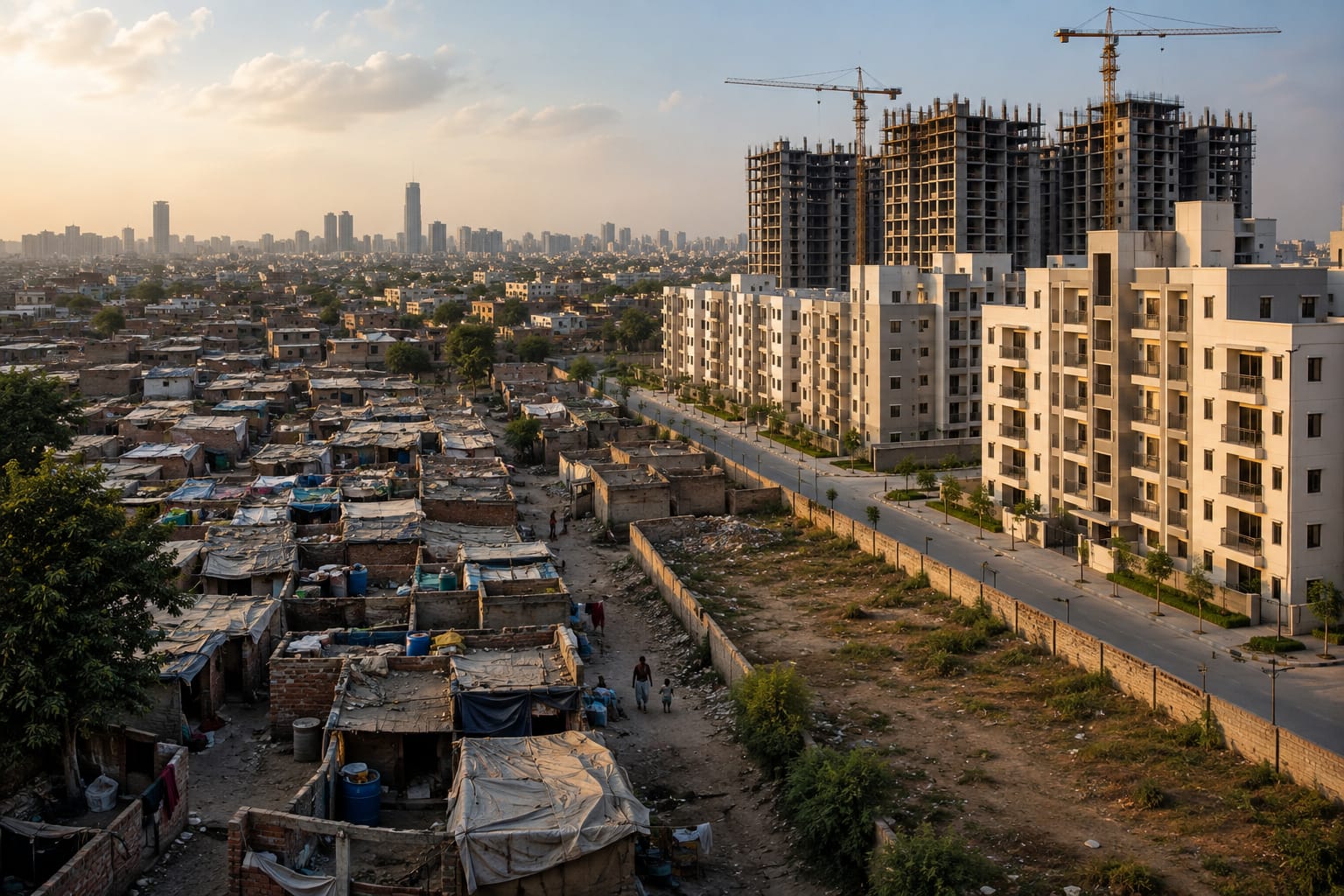
If the trend continues, it could have both positive and negative implications for Pakistan’s real estate sector. Additional capital could stimulate construction activity, property transactions and related industries. On the other hand, a sudden influx of funds could fuel artificial increases in property prices, making homes even less affordable for ordinary buyers.
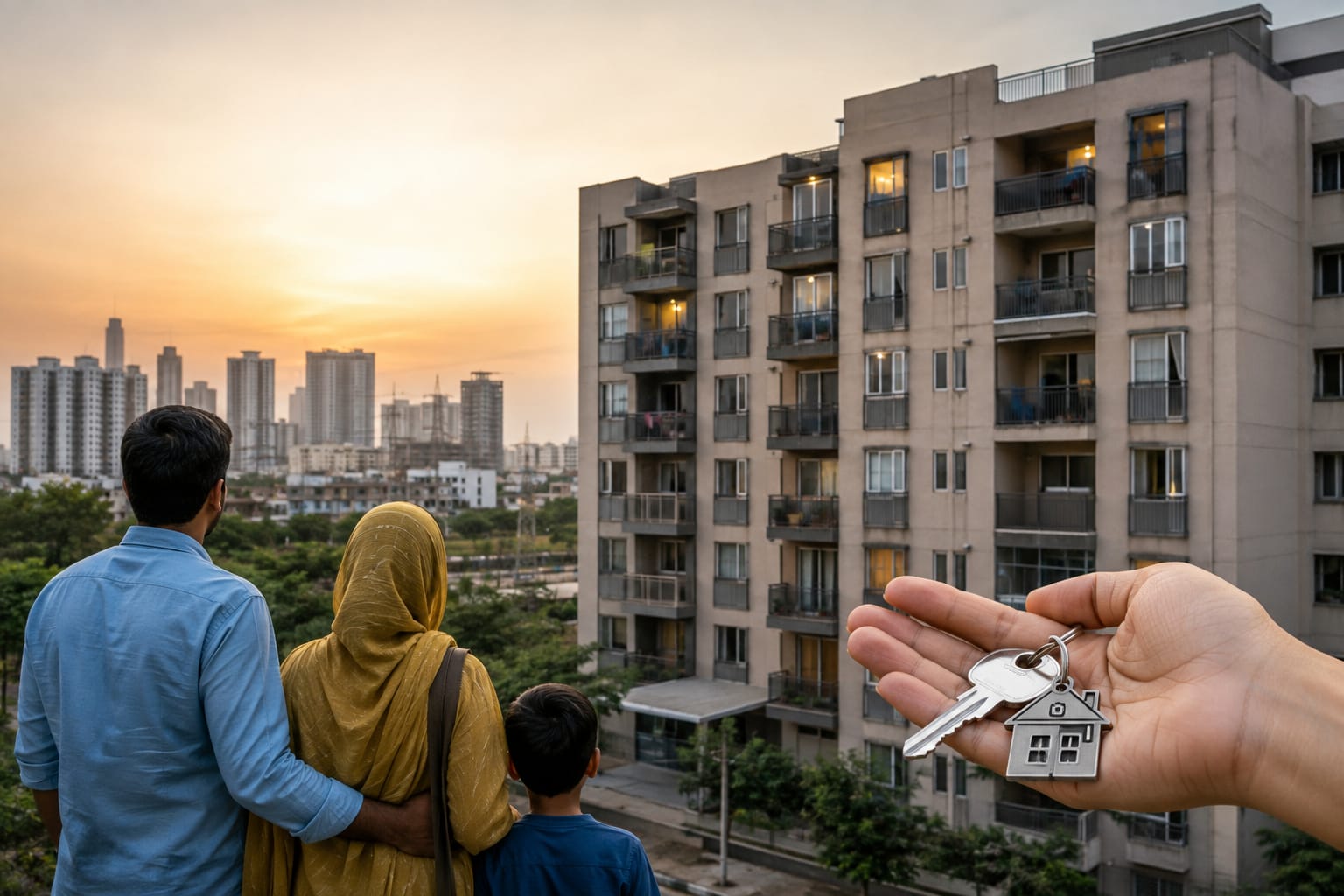
The key question is how Pakistan can channel any returning capital into productive investment. If such funds are brought into the formal economy through transparent, legal and documented channels and directed towards construction, affordable housing and new residential developments, they could provide a significant opportunity for the country’s economy and housing sector. Otherwise, if the money merely drives up the prices of existing plots and houses, homeownership could become even more difficult for the average Pakistani.
The potential shift of investment from Dubai back to Pakistan, therefore, is not merely a change in the direction of property investment. It also represents an important policy test for Pakistan’s real estate sector: whether the country can convert returning capital into productive economic activity while ensuring greater transparency, affordability and sustainable growth.