Beijing | ReNews International Desk News
Renewable energy has accounted for more than 40 percent of China's electricity generation for the first time, while the share of coal fired power has fallen below half of the country's total electricity output, marking a significant shift in the world's largest coal consuming power system.
According to data from China's National Energy Administration, coal accounted for 49.7 percent of total electricity generation during the first half of 2026, the first time its share has dropped below 50 percent. Coal fired generation during the January to June period stood at around 2.5 trillion kilowatt hours.
The development is particularly significant because China has historically relied heavily on coal to meet its enormous electricity demand. Coal accounted for around 65.5 percent of the country's electricity generation in 2016, compared with less than half during the first six months of 2026.
Renewable electricity generation reached nearly 2 trillion kilowatt hours during the first half of the year, increasing by about 9 percent compared with the same period a year earlier. Renewable sources provided 41.2 percent of China's total electricity generation.
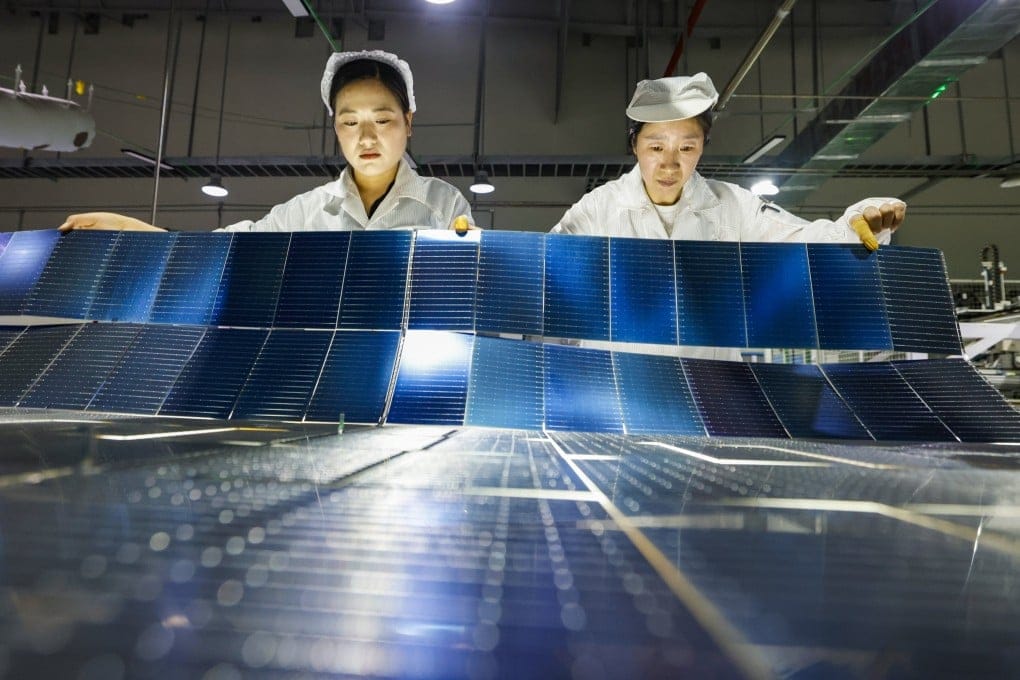
Wind and solar have emerged as the strongest drivers of this transition. Together, the two sources generated 24.6 percent of China's electricity during the first half of 2026. Their combined share was just 9.7 percent in 2020, illustrating the scale and speed of China's renewable energy expansion over recent years.
By the end of June, China's combined installed wind and solar capacity had reached about 1.95 billion kilowatts, an increase of 16.8 percent from a year earlier.
The fall in coal's share below 50 percent, however, does not mean China is rapidly abandoning coal in absolute terms. Electricity demand continues to expand as electric vehicles, artificial intelligence data centres, industrial activity and exports add to the country's power requirements. Analysts have therefore warned that total coal consumption could still rise even as its percentage share in electricity generation declines.
China has set a target for wind and solar to provide 30 percent of its electricity by 2030. Some energy analysts believe that target could be reached earlier if the country continues expanding rooftop solar, battery storage, flexible electricity markets and systems that can better manage changes in power demand.
China has also pledged to peak carbon dioxide emissions before 2030 and achieve carbon neutrality before 2060.
The development carries broader lessons for countries including Pakistan that are seeking to increase the role of renewable power while maintaining the stability of their national electricity systems. China's experience demonstrates that adding large amounts of wind and solar capacity is only one part of the transition. Transmission infrastructure, battery storage, flexible grids and better management of electricity demand become increasingly important as the renewable share rises.
Published: August 11, 2026 - 11:47 AM
China’s Wind and Solar Power Generation Rises as Coal’s Share Falls Below 50 Percent
چین میں ہوا اور شمسی توانائی سے بجلی کی پیداوار میں اضافہ، کوئلے کا استعمال 50 فیصد سے کم ہو گیا
Coal generated around 2.5 trillion kilowatt hours of electricity from January to June, while renewable energy’s share of total power generation climbed to 41.2 percent
Beijing | ReNews International Desk NewsRenewable energy has accounted for more than 40 percent of China's electricity generation for the first time, while the share of coal fired power has fallen below half of the country's total electr...