Washington | Re News International Desk
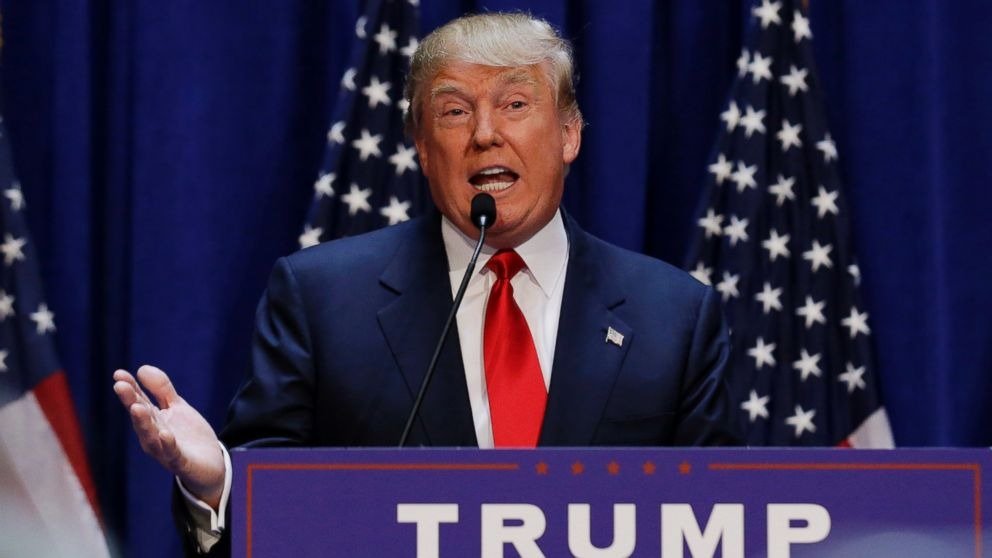
US President Donald Trump has claimed that the European Union paid Russia $250 billion for energy, accusing American media outlets of avoiding coverage of what he described as a major story. He also defended his policy decisions, saying that prioritising American interests had been the right choice.
In a statement shared on social media, Trump referred to the European Union’s energy payments to Russia and criticised US media for allegedly failing to give the issue adequate attention. He defended his “America First” policy, presenting it as a justification for prioritising the interests of the American people.
According to the US broadcaster ABC News, Trump did not specify the period covered by the claimed payments. However, data from a tracker monitoring Russian fossil fuel imports indicate that the European Union’s payments for Russian energy since the start of the war in Ukraine have been estimated at a figure close to the amount cited by Trump.
Separately, Trump made a claim regarding Iran’s naval capabilities, stating that all 159 Iranian vessels had been sunk. His remarks suggest that Iran’s naval fleet has suffered extensive damage. However, the claim requires further independent verification.
The US president also shared a comparative chart featuring his presidency and those of former American presidents, seeking to highlight his policies and decisions in comparison with those of his predecessors.
Trump’s latest remarks have brought energy trade between Russia and the European Union, the bloc’s payments for Russian energy, and Iran’s naval capabilities into focus. His claims have also renewed attention on global energy politics and the direction of US foreign policy.
Published: October 13, 2026 - 3:30 PM
EU Paid Russia $250 Billion for Energy, Trump Claims
یورپی یونین نے روس کو توانائی کی مد میں 250 ارب ڈالر ادا کیے، ٹرمپ کا دعویٰ
▫️ US president accuses media of overlooking a major story, defends his decision to prioritise the “America First” policy.
Washington | Re News International DeskUS President Donald Trump has claimed that the European Union paid Russia $250 billion for energy, accusing American media outlets of avoiding coverage of what he described as a major story.