
Tokyo | ReNews Global Desk
Japan's residential construction sector showed signs of slowing in September 2026, with new housing starts declining 2.7 percent from a year earlier, while construction orders fell 11.1 percent, according to the latest industry statistics. Data released by Japan's Ministry of Land, Infrastructure, Transport and Tourism on October 30, 2026, showed that construction began on 61,826 new residential units during September, marking the first year-on-year decline in six months.
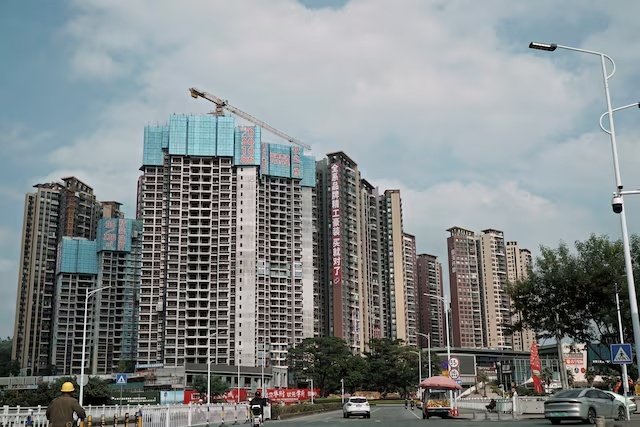
The decline reversed the 6.1 percent annual increase recorded in August, highlighting renewed weakness in the country's residential construction activity. According to the ministry, housing starts decreased across all three major residential categories. Construction of owner-occupied homes fell 3.4 percent from the corresponding month last year, while rental housing starts declined 1.6 percent. Housing built for sale recorded a larger contraction of 4.5 percent. Within the built-for-sale segment, apartment and condominium construction dropped sharply by 21.2 percent. However, construction of detached homes intended for sale increased 6.1 percent, demonstrating contrasting trends within the residential property market.
On a seasonally adjusted annualised basis, housing starts declined to approximately 714,000 units in September from 753,000 units in August, representing a monthly decrease of 5.2 percent. Separate construction industry data showed that construction orders fell 11.1 percent year-on-year in September, following a 3.6 percent decline in August. The figures suggest that weakness extended beyond residential construction, raising concerns about the near-term outlook for construction companies and related industries. The ministry also reported a decline in private non-residential building construction. Although factory construction increased, fewer office buildings, retail properties and warehouses were started, resulting in an overall contraction in the segment.Japanese media reports indicated that elevated construction expenses, rising prices and higher borrowing costs have affected housing affordability and purchasing decisions.
The latest figures are particularly significant because housing starts serve as an important indicator of residential property demand, private investment and broader construction activity. A sustained slowdown in new housing projects could also affect demand for building materials, including steel, cement, timber and other construction-related products. The decline comes after several months of growth in residential construction, suggesting that Japan's housing market is facing renewed pressure. However, the September figures alone do not establish a prolonged downturn. Further monthly data will be needed to determine whether the contraction represents a temporary adjustment or a more persistent slowdown in residential development and construction activity.