New York | ReNews International Desk News
The rapid growth of artificial intelligence is reshaping the global landscape of energy, real estate and digital infrastructure. As demand for computing power needed to run AI systems rises sharply, investment in data centers is increasing worldwide. In the United States, however, the construction of large data centers is facing growing resistance at the local level.
Large AI data centers require vast tracts of land, huge amounts of electricity and water, and advanced cooling systems. Local communities fear such projects could put pressure on power grids, increase utility bills and affect land use in residential areas. In some US states, lawmakers are also considering measures such as bans or temporary moratoriums on new data center construction.
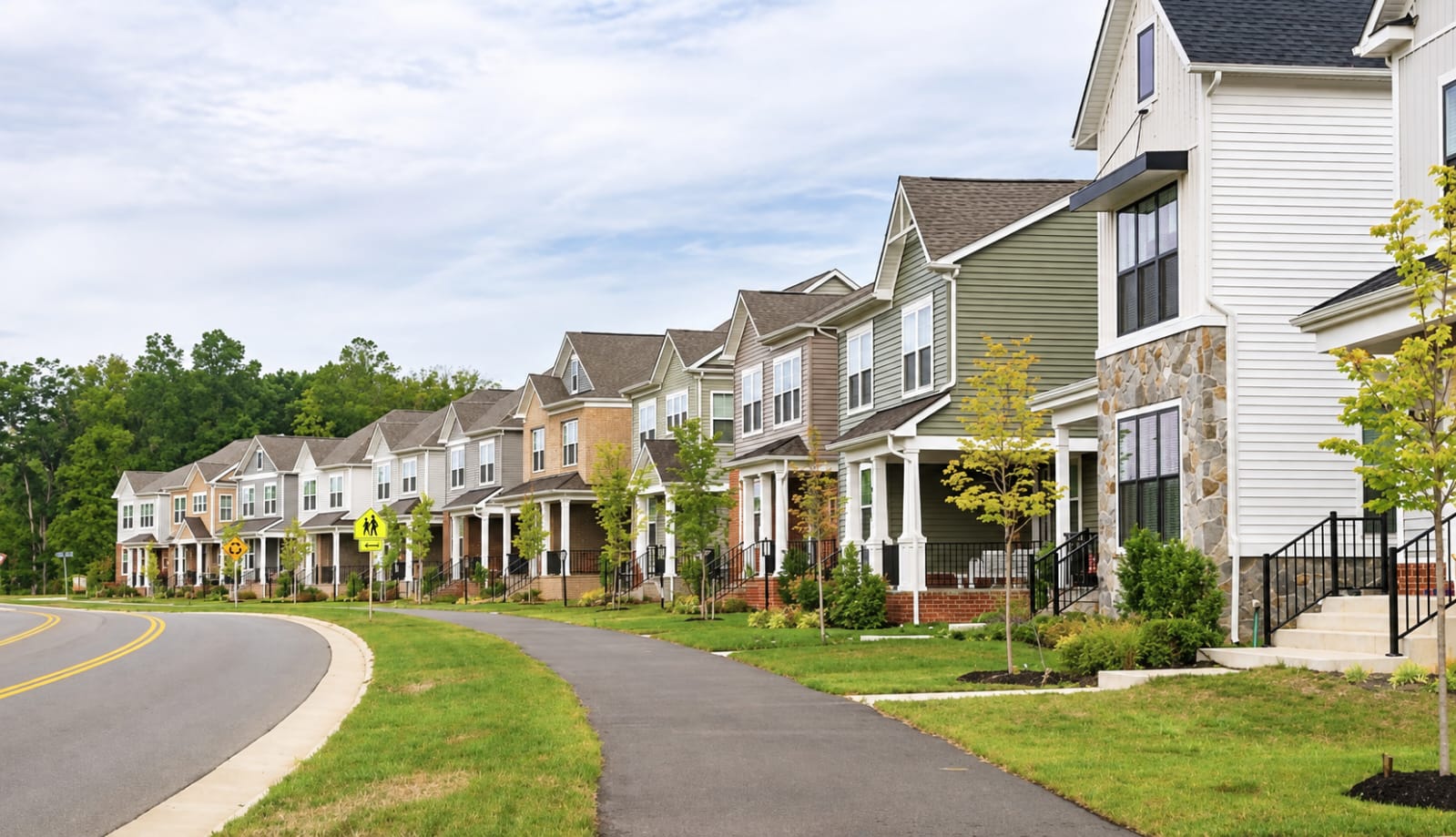
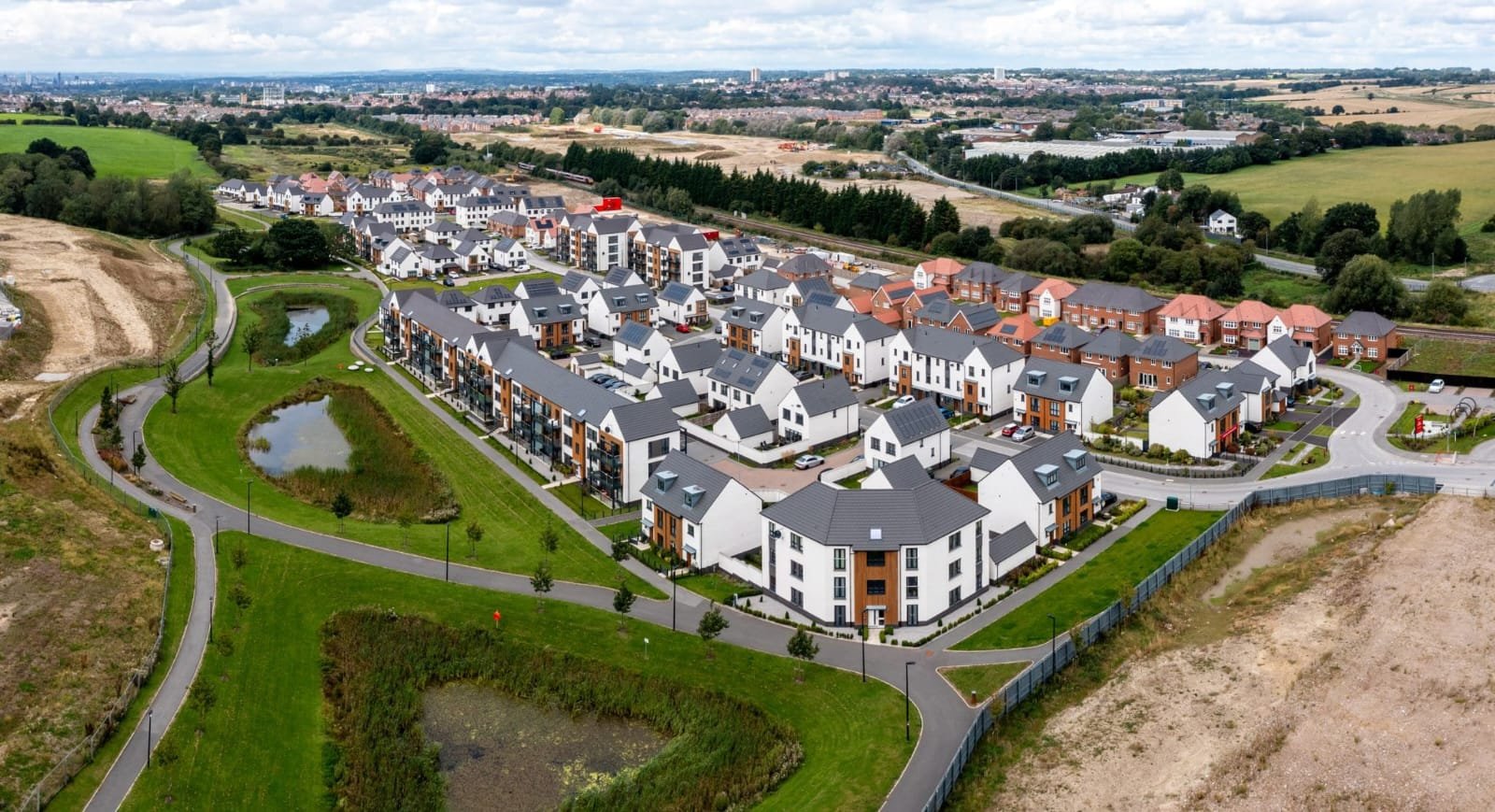
Against this backdrop, technology and real estate companies are exploring a new model under which small scale “compute nodes” could be installed in residential homes. According to reports, PulteGroup, Nvidia and California based startup Span are among those involved in early trials that could see compact data center units installed on the exterior walls of newly built homes.
Supporters of the model say distributing computing workloads across thousands of homes could reduce pressure on land, large scale power infrastructure and traditional data centers. Experts say the system may be better suited for tasks that do not require instant response times, such as batch processing, rendering, research computation, cloud gaming and some AI inference workloads.
A potential advantage of the concept is more efficient energy use. Heat generated by small servers could be repurposed for household needs, particularly water heating.
In the United Kingdom, startup Heata is testing a similar system, while in Finland, waste heat from large data centers is being used to warm local homes.
The model, however, faces several practical challenges. Residential homes typically lack the power density, cooling capacity, backup systems, physical security and controlled environment required for large-scale computing. Cybersecurity, insurance, liability, noise, heat, maintenance and local regulatory concerns could also slow the adoption of the concept.
Critics argue that home-based computing systems cannot fully replace traditional hyperscale data centers, as modern AI training depends on thousands of GPUs operating in highly engineered environments with industrial scale power, cooling and ultra-fast networking.
Experts believe a hybrid model could emerge in the future, with major AI training clusters remaining inside conventional data centers, while homes and smaller distributed sites are used for lower-intensity edge computing, local inference and heat reuse. For now, the idea remains experimental, but rising AI demand is turning it into an important debate over the future of digital infrastructure.

Published: May 11, 2026 - 10:05 AM
Public Opposition to AI Data Centers Intensifies in the US as Concept of Turning Homes into Mini Data Centers Gains Attention
امریکا میں اے آئی ڈیٹا سینٹرز کے خلاف عوامی مخالفت تیز، گھروں کو منی ڈیٹا سینٹرز بنانے کا تصور زیرِ غور
▫️Amid rising global demand for AI computing, real estate and technology companies are testing small compute nodes in residential homes
New York | ReNews International Desk News The rapid growth of artificial intelligence is reshaping the global landscape of energy, real estate and digital infrastructure. As demand for computing power needed to run AI systems rises sh...