Dubai | ReNews International Desk News
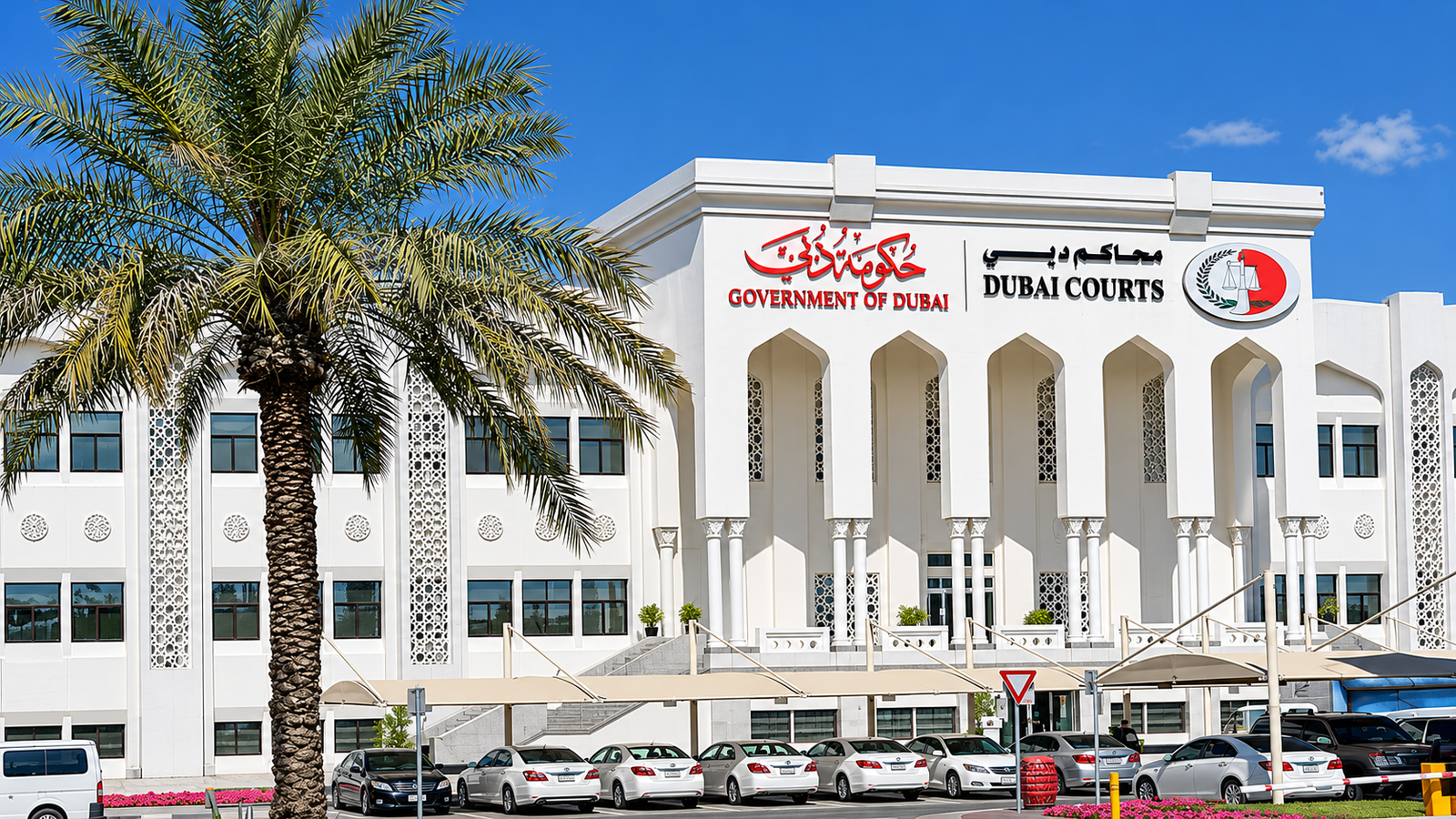
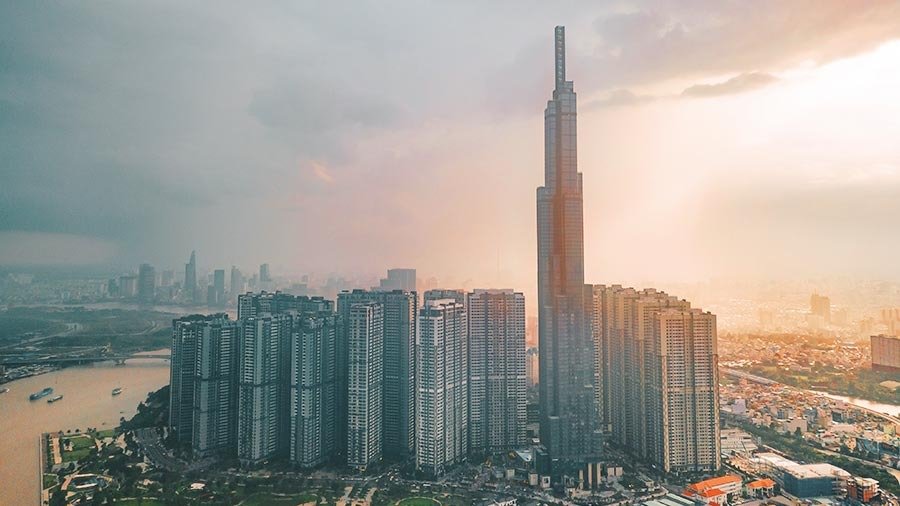
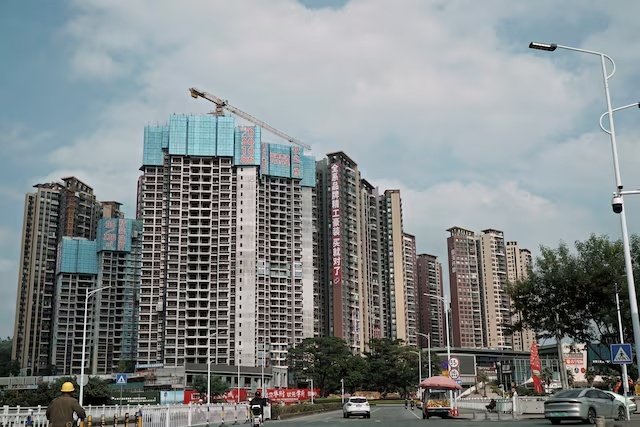
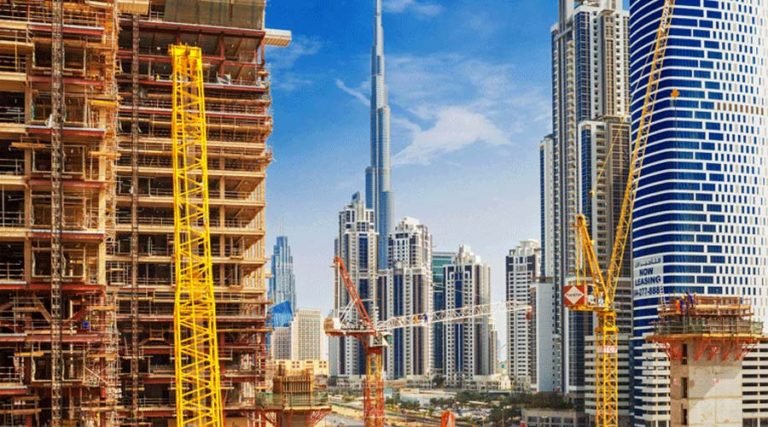
The UAE’s construction sector is witnessing a major shift from a heavy dependence on real estate projects toward a broader infrastructure focused pipeline, as government backed development spending continues despite the Iran war.
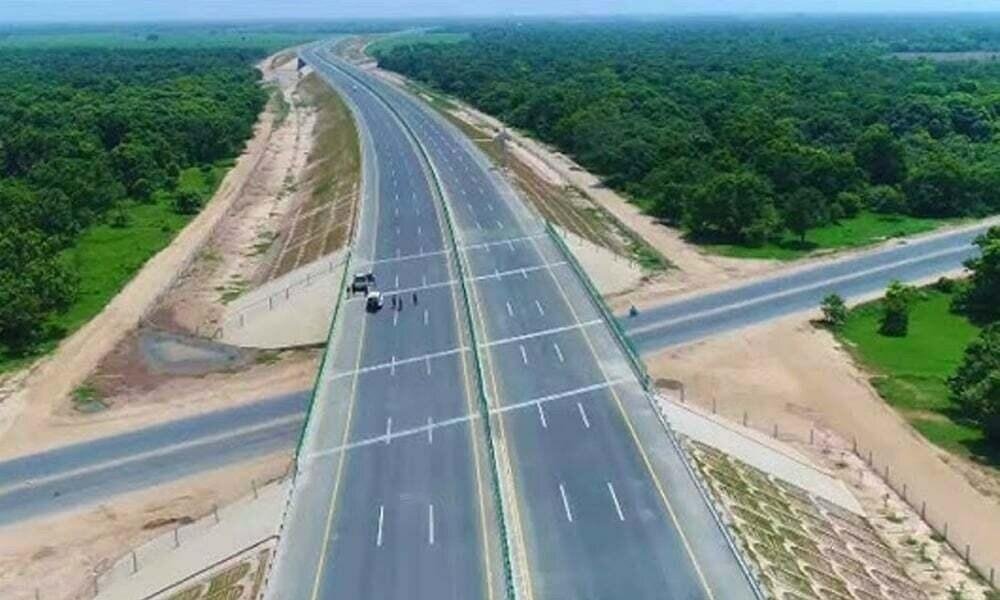
Industry leaders say construction activity has remained steady across the country, with no major stoppages or cancellations reported in ongoing projects. The sector, traditionally driven by residential, hospitality and commercial real estate, is now seeing growing momentum in transport, energy, water, roads, logistics, data centres, urban development and other strategic infrastructure segments.
Bishoy Azmy, chief executive of Innovo Group, said the company continues to operate more than 30 active projects across several emirates and none of them has been stopped since the outbreak of the war on February 28. He said the market has moved from the usual construction term BUA, or built up area, to BAU, meaning business as usual.
Innovo Group currently has a project backlog of about Dh30 billion, equivalent to around $8.2 billion. According to Azmy, the company is witnessing a clear change in its future pipeline, with infrastructure projects gaining more importance than before.
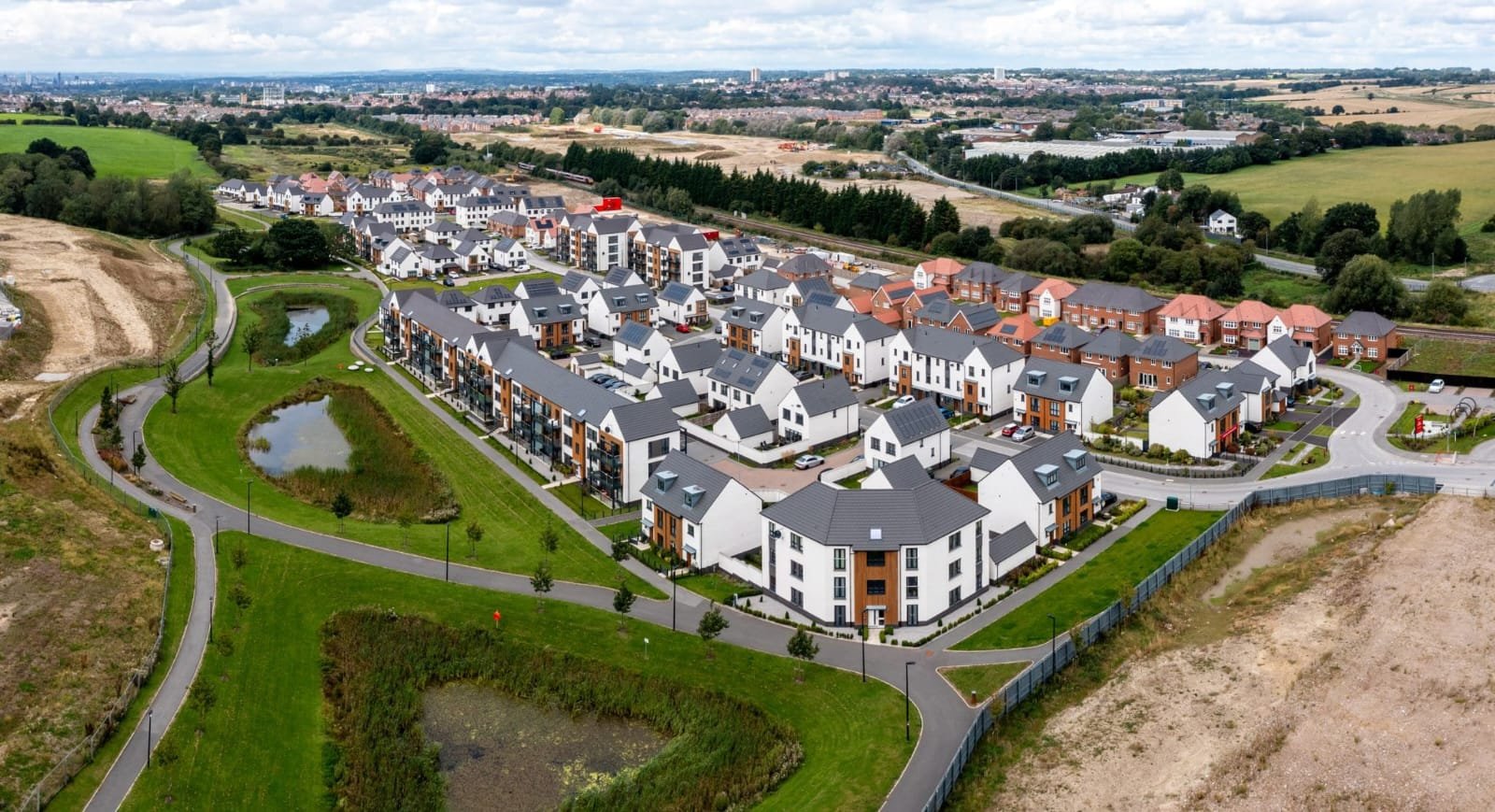
He said real estate remains an important part of the construction industry, but the sector is becoming more balanced and diversified. Developers and contractors are now showing greater caution, particularly with residential, hospitality and speculative projects in secondary locations. Instead, attention is shifting toward prime and
proven locations where roads, utilities, demand and project execution risks are clearer.
The UAE property market has so far avoided any immediate major fallout from the war. In Dubai, transaction volumes rose 21 percent in the first quarter, while January and February recorded annual growth of 3.8 percent, according to Cavendish Maxwell. However, transaction volumes fell 9.6 percent in March, with the ready property segment dropping sharply by 33.4 percent.
Analysts said the March slowdown may have been influenced not only by geopolitical developments but also by seasonal factors, including Ramadan. They said the coming months would offer a clearer picture of underlying demand once temporary timing effects normalise.
The shift toward infrastructure has been supported by a series of major government announcements in recent months. Abu Dhabi has launched Dh55 billion worth of public private partnership projects in transport and infrastructure. The pipeline includes 24 projects expected to be brought to market this year and next.
The Ministry of Energy and Infrastructure has also launched a programme to reduce energy and water consumption in government buildings. The first phase involves an investment of Dh120 million, while the programme is expected to expand to 360 buildings with a value of Dh1 billion in its second phase.
Dubai has announced several major projects, including the Dh34 billion Dubai Metro Gold Line and continued investment in sewerage and stormwater drainage networks. Under the Tasreef programme, five contracts worth Dh2.5 billion have been awarded to cover 30 key areas.
The emirate has also announced expansion projects in Dubai Silicon Oasis worth Dh12.8 billion, along with the Dh100 billion expansion of Dubai International Financial Centre. In Sharjah, work has started on a new Dh500 million exhibition and conference project that is expected to host the Sharjah International Book Fair in 2027.
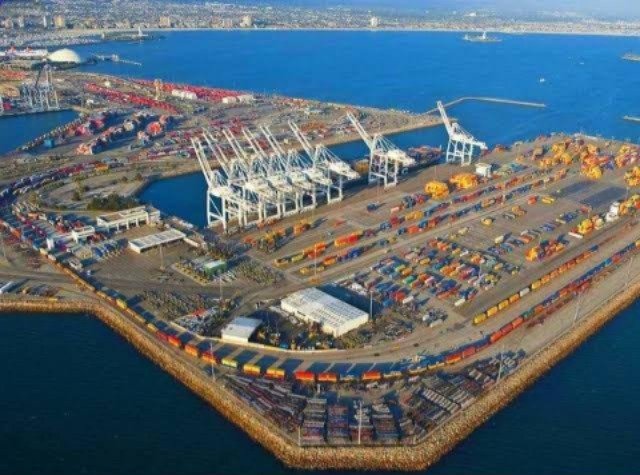
Industry executives say federal and local governments are accelerating infrastructure development across multiple sectors, including social projects, airports, rail, ports, underground infrastructure, oil facilities, refineries and data centres.
Azmy said this shift is positive for national contractors because it moves the industry away from dependence on one strong sector and opens opportunities across several better balanced sectors. He said a healthy construction industry should have a diversified mix of sectors with different cycles, cash flows, demand patterns, skills and subcontractor requirements.
The changing construction landscape suggests that the UAE is positioning its building sector for long term resilience, with infrastructure investment becoming a central driver of growth alongside real estate.
Published: June 1, 2026 - 12:05 PM
UAE Construction Sector Shifts Toward Infrastructure as Projects Continue Despite Iran War
ایران جنگ کے باوجود متحدہ عرب امارات کا تعمیراتی شعبہ انفراسٹرکچر منصوبوں کی طرف منتقل
▫️Industry leaders say real estate activity continues with caution, while contractors increasingly move toward diversified infrastructure projects
Dubai | ReNews International Desk News The UAE’s construction sector is witnessing a major shift from a heavy dependence on real estate projects toward a broader infrastructure focused pipeline, as government backed development spendi...