Karachi | ReNews Pakistan
Pakistan’s real estate investment trust sector is gaining momentum, with 18 REIT funds established and projects worth more than Rs 2 trillion under development, according to Arif Habib Dolmen REIT Management Company CEO Muhammad Ijaz.
Ijaz said REITs could help formalise Pakistan’s largely informal real estate sector while enabling investors with relatively modest capital to participate in property related businesses.
He said the REIT framework addressed two major challenges associated with real estate investment, namely the need for substantial capital and the limited liquidity of property assets.
Under the model, real estate assets are divided into units that can be purchased by investors, allowing both small and large investors to participate in property related investments.
Ijaz said Dolmen City REIT, Pakistan’s first REIT, had an asset value of around Rs 22 billion when it was launched, with 2.2 billion units issued at Rs10 each. He said investors could participate with Rs 5,000 while those with much larger amounts could also invest through the same structure.
He explained that the legal title of REIT assets remained with the trustee, while investors held REIT units representing their ownership interest. Trustees are licensed entities, including the Central Depository Company and Digital Custodian Company, while REIT management companies are responsible for managing the underlying businesses and assets.
Ijaz said five REITs were currently listed on the Pakistan Stock Exchange, with additional listings expected. Rental REITs are required to be listed within their first year, while developmental and hybrid REITs are required to be listed within three years.
He distinguished between rental and developmental REITs, saying rental REITs generally acquire completed properties and generate income by leasing them, while developmental REITs develop land or projects for sale or lease.
According to Ijaz, REITs are required to distribute 90% of distributable income among unit holders. He said Dolmen City REIT initially offered a yield of around 10%, while investors who purchased units at around Rs11 later saw a substantial increase in yield as the unit price rose.
Under the model, investors can purchase a fractional share of a property. For example, an apartment measuring 1,800 square feet and valued at Rs 30 million could be divided into 100 square foot shares worth Rs 1.8 million each.
Ijaz said investors could accumulate additional shares over time and potentially sell them later. The model is initially being developed in Naya Nazimabad, with ownership and rental arrangements managed through institutional and contractual structures.
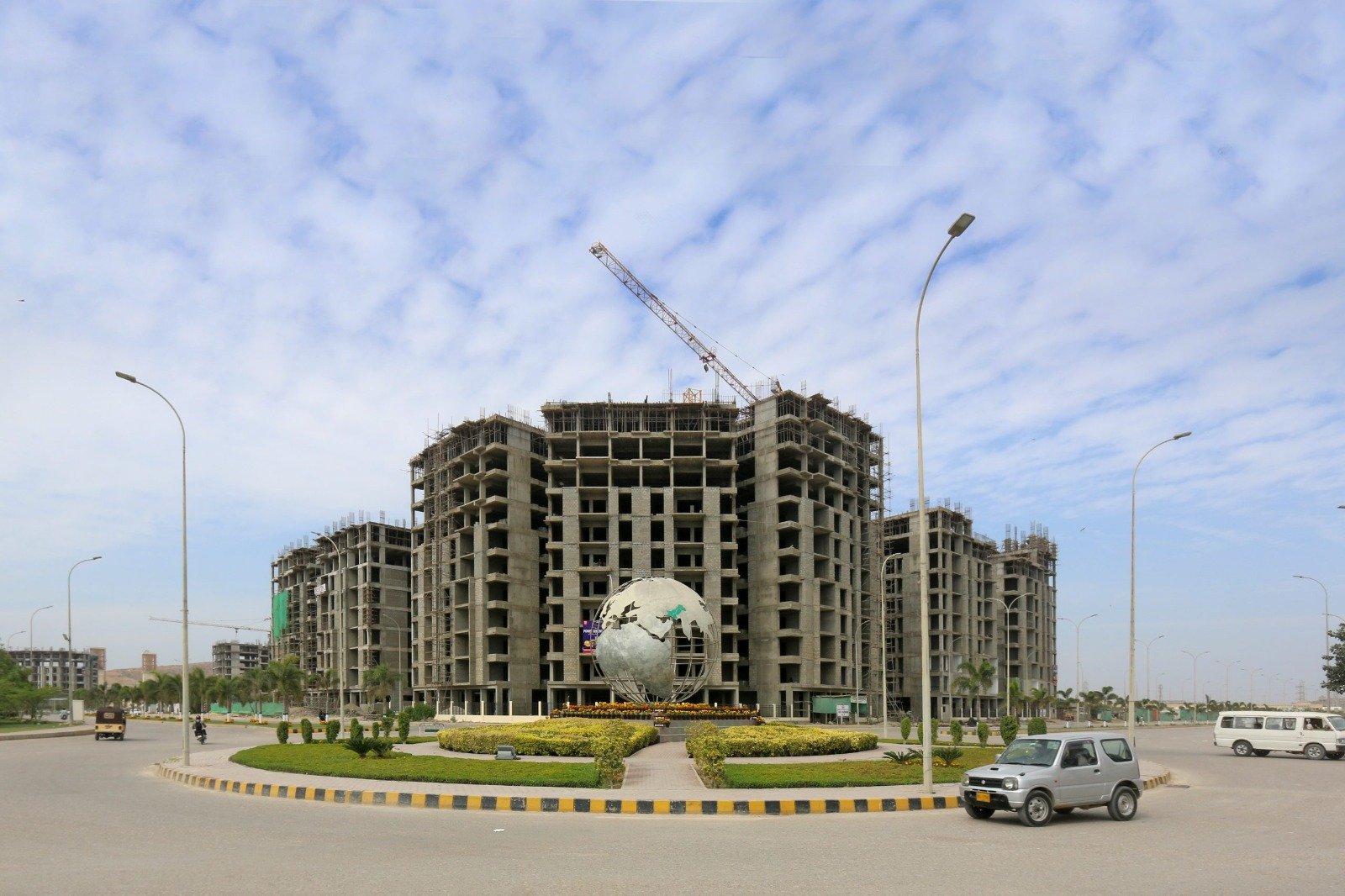
He said the REIT sector was no longer limited to Karachi. Of the 18 REIT funds, 10 were in Karachi while eight were in Lahore and Islamabad. Projects include developments associated with Naya Nazimabad, Surjani Town, Lahore’s Central Business District, Ravi Urban Development Authority and Rifah Medical City.
Ijaz said a 150 acre project in Surjani Town had been divided into two REIT funds focusing on horizontal and vertical development, with an emphasis on environmentally friendly urban development.
Ijaz also called for greater availability of mortgage finance and institutional funding for professionally managed housing projects. He said the build to rent model could emerge as an important business model, allowing people to access professionally managed rental housing without bearing the financial and administrative burden of constructing their own homes.
He said Pakistan’s real estate sector had significant potential if supported by better taxation policies, institutional investment and professional project management.
“
Published: September 30, 2026 - 11:01 AM
18 REIT funds established in Pakistan as projects worth over Rs 2 trillion take shape
پاکستان میں 18 رئیل اسٹیٹ سرمایہ کاری ٹرسٹ قائم، 2 کھرب روپے سے زائد کے منصوبے زیر تکمیل
▫️ Legal title of assets remains with the trustee, while investors hold ownership interests through units: Arif Habib Dolmen CEO Muhammad Ijaz
Karachi | ReNews PakistanPakistan’s real estate investment trust sector is gaining momentum, with 18 REIT funds established and projects worth more than Rs 2 trillion under development, according to Arif Habib Dolmen REIT Management Comp...