Islamabad | ReNews Pakistan
Attock Refinery Limited has proposed a plan to establish a new deep conversion refinery with a capacity of 50,000 barrels per day, marking a significant investment proposal for Pakistan’s refining sector and a potential expansion of domestic petroleum production capacity.
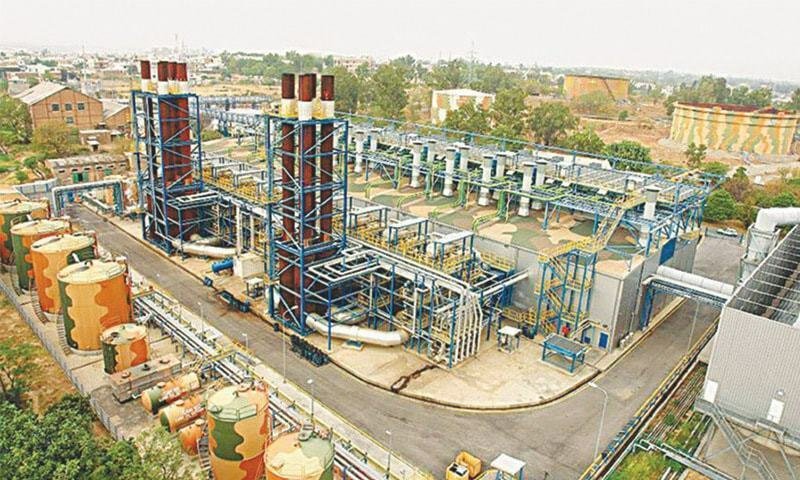
The proposed refinery is planned alongside Attock Refinery’s existing refining operations and is aimed at expanding refining infrastructure and increasing the local production capacity of petroleum products.
The new deep conversion refinery will have a planned processing capacity of 50,000 barrels per day. Deep conversion refining technology is generally designed to improve the conversion of crude oil into higher value petroleum products, potentially enhancing refinery efficiency and the overall product mix.
Attock Refinery Limited is already an established player in Pakistan’s refining sector, and the proposed investment would represent an expansion of its existing refining activities. If completed, the project would also add to the country’s overall refining capacity.
Pakistan has long relied on imports to meet part of its domestic demand for petroleum products. An expansion of local refining capacity could help reduce reliance on imported products, improve domestic crude processing and strengthen the country’s ability to meet its energy requirements.
The proposed deep conversion refinery comes as Pakistan seeks to modernize its refining sector and encourage investment in refinery upgrades aimed at improving production efficiency and increasing the availability of higher quality petroleum products locally.
The implementation of the project will depend on factors including investment arrangements, technical preparations, regulatory approvals, availability of crude oil and the final construction schedule. Further details regarding the total project cost and the expected start of construction have yet to be disclosed.
With a planned capacity of 50,000 barrels per day, the proposed refinery would represent a substantial addition to Pakistan’s refining infrastructure and could contribute to new investment and increased domestic processing capacity in the energy sector.
Published: September 30, 2026 - 12:01 AM
Attock Refinery Plans New 50,000 Barrel Per Day Deep Conversion Refinery
اٹک ریفائنری کا 50 ہزار بیرل یومیہ کی نئی ڈیپ کنورژن ریفائنری لگانے کا منصوبہ
▫️ New project to expand Pakistan’s refining capacity and support higher domestic production of petroleum products
Islamabad | ReNews PakistanAttock Refinery Limited has proposed a plan to establish a new deep conversion refinery with a capacity of 50,000 barrels per day, marking a significant investment proposal for Pakistan’s refining sector and a ...