Islamabad | ReNews Pakistan
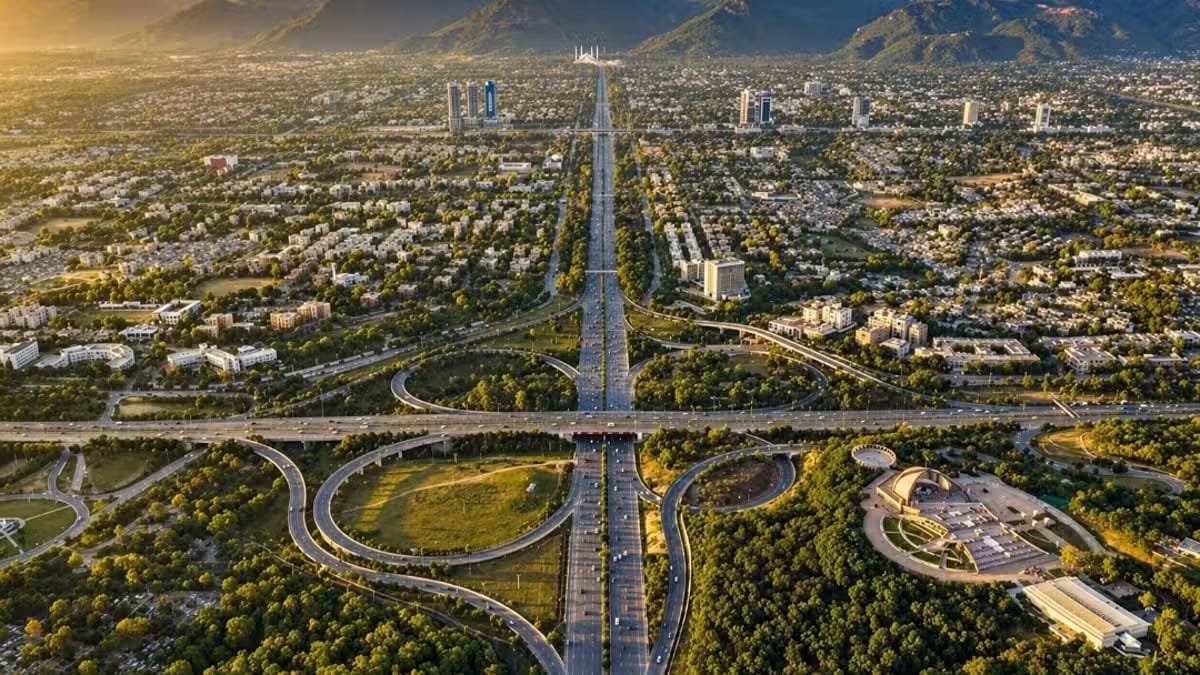
The Capital Development Authority (CDA) has decided to undertake the construction of Islamabad's long-awaited 11th Avenue project in two phases, prioritising a 3.5-kilometre section between the E-11 Interchange and Srinagar Highway as part of a broader Rs 24.5 billion road infrastructure development initiative aimed at improving traffic circulation and connectivity across the federal capital.
The decision represents a revised implementation strategy for the proposed 7.5-kilometre road corridor, which will connect Margalla Avenue with IJP Road and provide an additional transportation route for motorists travelling between different residential, commercial and administrative areas of Islamabad.
According to available details, the CDA's Departmental Working Party (DWP) has already approved the project's PC-I at an estimated cost of Rs 24.5 billion, paving the way for the development of one of the capital's major planned road infrastructure schemes.
The proposed 11th Avenue will feature three traffic lanes in each direction, providing a six-lane corridor designed to accommodate growing traffic volumes and improve road connectivity.
The complete project also envisages the construction of approximately 17 bridges and overpasses at different locations along the route to facilitate uninterrupted traffic movement and improve connectivity with the existing road network.
Initially, the CDA had planned to execute the entire project under a single construction programme, with officials indicating a completion target of approximately one year.
However, following a recent review of the project's implementation arrangements, the civic authority has decided to divide the construction work into two phases, allowing development activities to begin on the section identified as the immediate priority.
Under the revised plan, the first phase will cover approximately 3.5 kilometres between the E-11 Interchange and Srinagar Highway.
This phase will also include the construction of an interchange on Srinagar Highway, which is expected to play an important role in integrating the proposed 11th Avenue with Islamabad's existing major road corridors.
A CDA engineer confirmed that the decision to implement the project in two phases had been taken during a recent meeting, adding that the authority was currently undertaking the necessary pre-tendering preparations.
According to the official, the CDA expects to formally initiate the first phase within the next two months, subject to the completion of the required procurement and administrative procedures.
The engineer explained that the initial section would establish a road connection between Srinagar Highway and Margalla Avenue, providing motorists with an additional route and helping distribute traffic between the two important transport corridors.
The proposed connection is expected to improve accessibility for residents of E-11 and surrounding sectors while offering alternative travel options for commuters using Srinagar Highway and Margalla Avenue.
Regarding the financial requirements, the CDA engineer estimated that the first phase could cost between Rs 11 billion and Rs 12 billion, including the proposed interchange on Srinagar Highway.
However, the official clarified that this estimate remained provisional, as the authority was still preparing a detailed assessment of the construction costs and associated infrastructure requirements.
The final financial allocation for the first phase will therefore depend on the completion of the detailed cost assessment and other relevant project planning procedures.
The remaining portion of the 11th Avenue corridor is expected to be developed during the second phase, completing the planned connection between Margalla Avenue and IJP Road.
Once fully constructed, the road is expected to provide an additional north-south transportation corridor in Islamabad, potentially reducing pressure on existing routes and improving movement between the capital's residential sectors and surrounding road networks.
The project could also support accessibility to residential and commercial developments situated near the proposed alignment, particularly in areas connected with E-11, Margalla Avenue and Srinagar Highway.
Improved road access and better distribution of traffic may contribute to the development potential of adjoining neighbourhoods, although the extent of these benefits will depend on the project's eventual completion and integration with the wider transport network.
The 11th Avenue project has remained under consideration for several years despite its anticipated importance for Islamabad's expanding road infrastructure.
Prime Minister Shehbaz Sharif laid the foundation stone for the project in June 2023 during his earlier tenure in office. However, construction activities did not commence following the ceremony, leaving the planned corridor awaiting implementation.
The latest decision to divide the project into two phases is intended to facilitate the commencement of construction on the priority section rather than waiting for the simultaneous execution of the entire 7.5-kilometre corridor.
Although the CDA had initially indicated a one-year completion target for the overall scheme, a revised construction schedule for both phases has not yet been confirmed.
The progress of the project will now depend on the completion of pre-tendering formalities, finalisation of detailed engineering and financial assessments, procurement arrangements and mobilisation of construction resources.
The proposed development forms part of ongoing efforts to strengthen Islamabad's urban road infrastructure and address transportation requirements arising from the continued expansion of residential and commercial activity in the federal capital.
Published: October 9, 2026 - 5:01 PM
CDA to Construct Rs 24.5 Billion 11th Avenue in Two Phases, Prioritises 3.5-Kilometre Section
سی ڈی اے کا 24 ارب 50 کروڑ روپے کی لاگت سے الیونتھ ایونیو کی دو مرحلوں میں تعمیر کا فیصلہ، پہلے مرحلے میں ساڑھے 3 کلومیٹر طویل سڑک تعمیر ہوگی
▫️ First phase, estimated to cost Rs 11–12 billion, will connect E-11 Interchange with Srinagar Highway and include a major interchange to improve traffic flow in Islamabad
Islamabad | ReNews PakistanThe Capital Development Authority (CDA) has decided to undertake the construction of Islamabad's long-awaited 11th Avenue project in two phases, prioritising a 3.