Islamabad | ReNews Pakistan
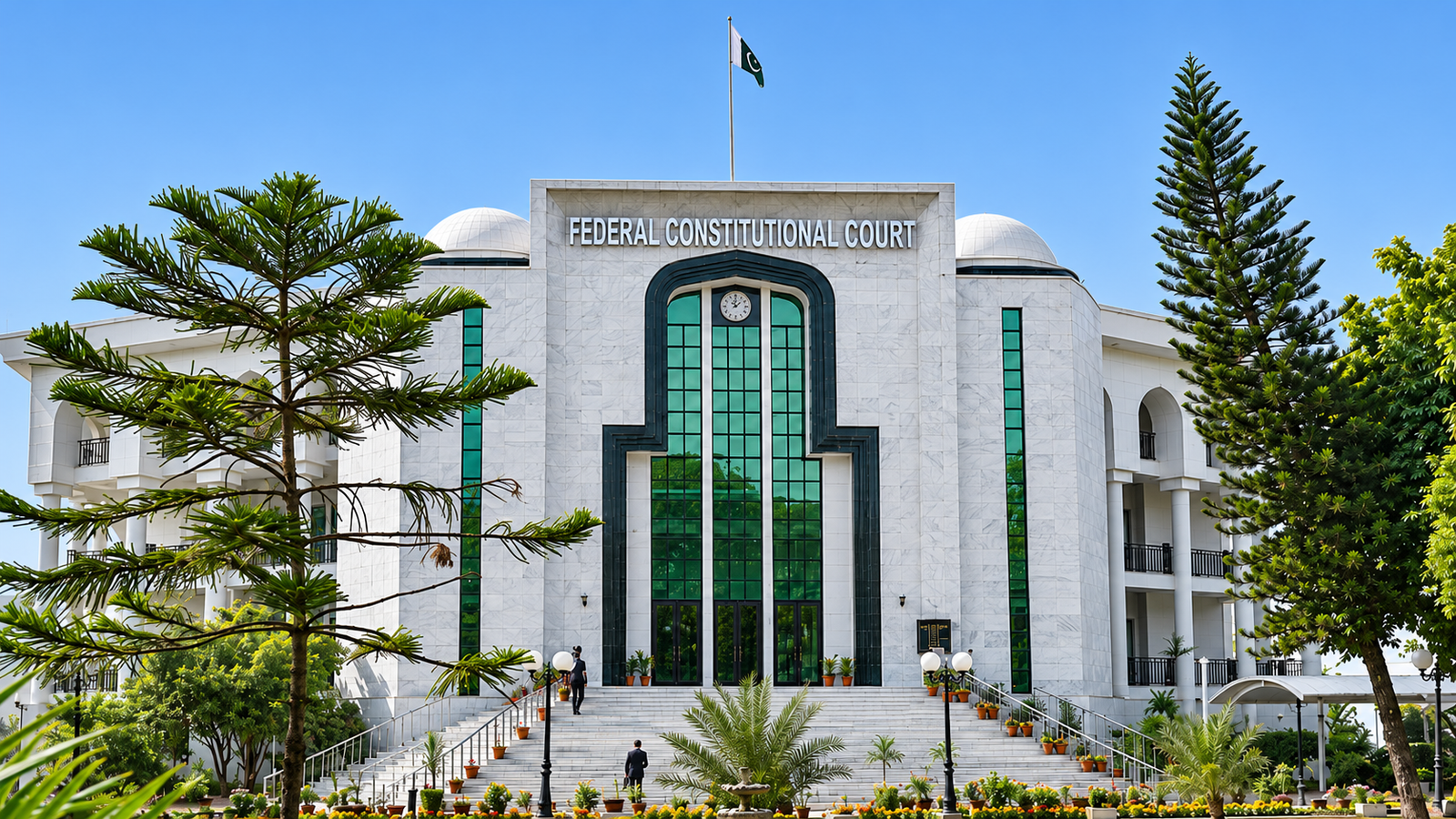
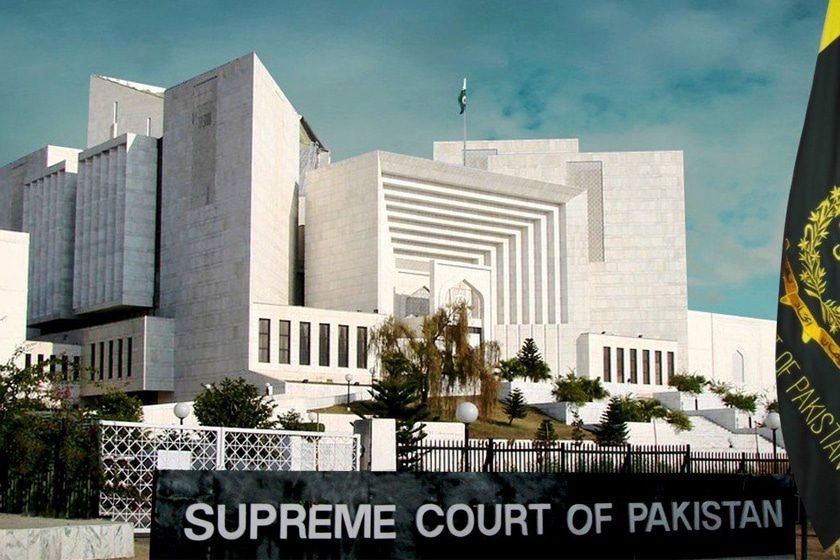
The Federal Constitutional Court on heard a series of appeals challenging the controversial tax imposed on “deemed income” from immovable properties under Section 7E of the Income Tax Ordinance, 2001, with petitioners arguing the measure violates constitutional provisions.
A two member bench headed by Chief Justice Amin ud Din Khan took up the case, which arises from differing judgments issued by the Sindh, Lahore, Peshawar, and Islamabad High Courts regarding the legality of the tax introduced through the Finance Act 2022.
Under Section 7E, individuals owning more than one property are required to pay tax even if the asset does not generate any actual income. The law assumes that such properties yield rental income equivalent to 20 percent of their value as determined by the Federal Board of Revenue (FBR). A tax of 5 percent is then applied to this notional income, effectively translating into an annual levy of around 1 percent of the property's declared capital value.
During the hearing, counsel for the petitioners argued that the provision effectively imposes a tax on the capital value of immovable property rather than on income, making it unconstitutional. He contended that the federal government does not have the legal authority to impose such a tax under the current constitutional framework.
The central issue before the court, the counsel said, is whether the levy falls under Entry 50 of the Fourth Schedule, relating to taxes on capital value of assets, or Entry 47, which permits taxation of income excluding agricultural income. He maintained that the tax does not fit within either category and therefore cannot be sustained under the Constitution.
The lawyer further argued that Section 7E attempts to circumvent constitutional limitations by presenting a capital tax as an income tax. He also pointed out that income-generating properties, such as rental assets, are not subject to this provision, indicating that the law disproportionately targets properties that do not produce any real economic return.
According to the petitioners, the government cannot arbitrarily assign hypothetical income to property owners in order to create a tax liability where no actual earnings exist.
After hearing detailed arguments from all parties, the court adjourned proceedings, with further hearings expected to continue on the matter.
Published: April 17, 2026 - 10:15 AM
Controversy over property tax under Section 7E intensifies, Constitutional Court takes up legality
سیکشن 7E کے تحت پراپرٹی ٹیکس کا تنازع شدت اختیار کر گیا، آئینی عدالت میں قانونی حیثیت پر سماعت
Section 7E attempts to bypass constitutional limits; tax is being imposed without actual income, argues petitioner’s counsel
Islamabad | ReNews Pakistan The Federal Constitutional Court on heard a series of appeals challenging the controversial tax imposed on “deemed income” from immovable properties under Section 7E of the Income Tax Ordinance, 2001, with ...