Islamabad | ReNews Pakistan
The Federal Board of Revenue has been urged to introduce a clear and formal refund policy for taxes collected under Section 7E and Super Tax provisions of the Income Tax Ordinance, 2001, after recent court rulings affected the applicability and scope of both levies.
According to reports, Waheed Shahzad Butt, an advocate of the Supreme Court of Pakistan, has written to FBR Chairman Rashid Mahmood Langrial through senior officials dealing with tax policy and operations. In his representation, he requested the tax authority to create a proper mechanism through which taxpayers can seek refunds of amounts paid, adjusted or recovered under provisions that have now been declared unlawful or held to be inapplicable in certain cases.
The request comes in the wake of rulings concerning Section 7E of the Income Tax Ordinance, which dealt with deemed income tax on immovable property, and Section 4C, which relates to Super Tax on high income earners.
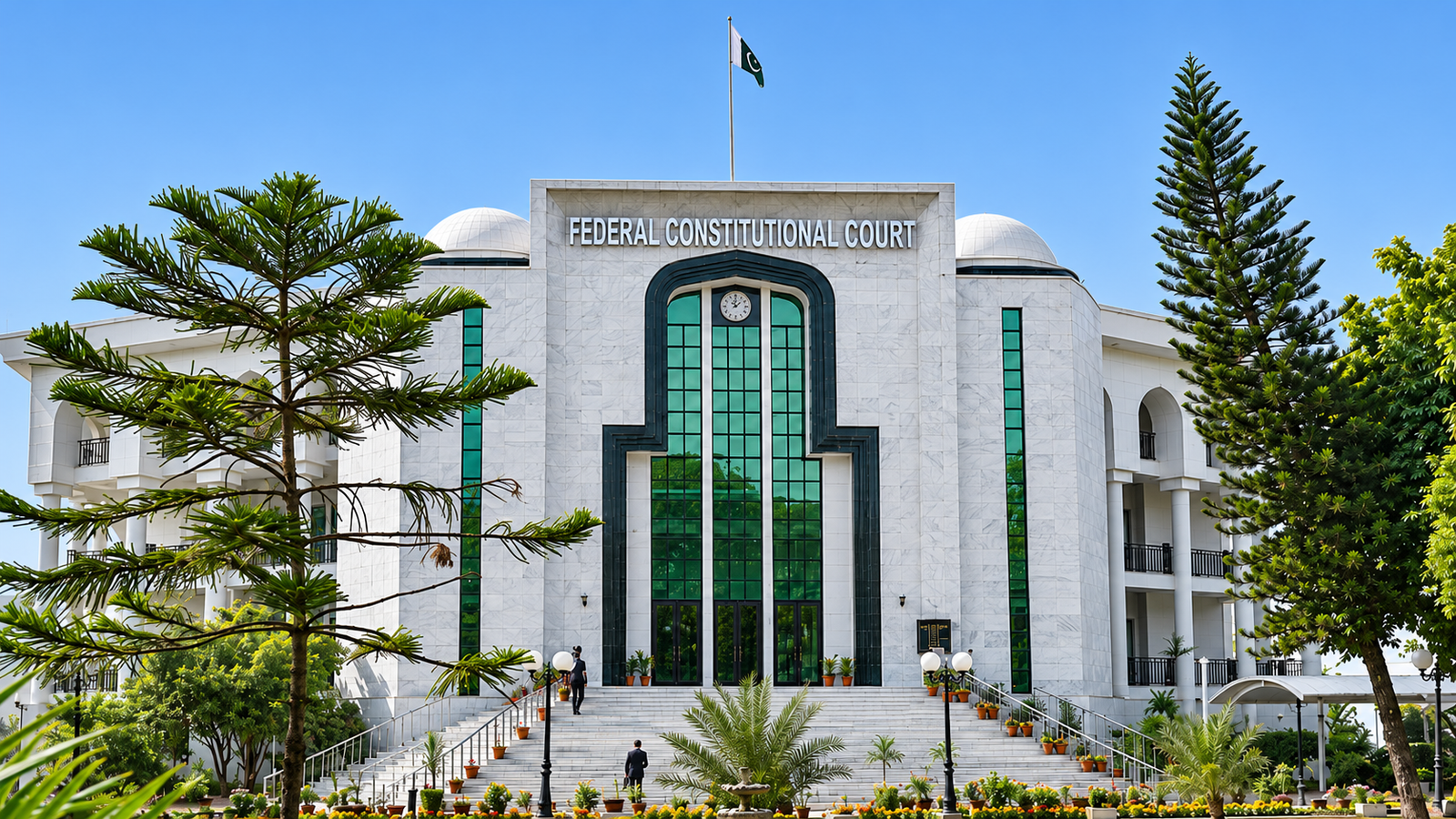
Section 7E was introduced through the Finance Act 2022 and applied to immovable properties valued above Rs25 million. Under the provision, tax was calculated on deemed income based on five per cent of the fair market value assessed by the FBR. However, the Federal Constitutional Court declared Section 7E unconstitutional and
void from the beginning, while setting aside notices and proceedings initiated under the provision.
The ruling has created a significant issue for taxpayers who had already paid tax under Section 7E or faced recovery proceedings before the provision was struck down. The representation argued that such taxpayers should not be left without a defined route for claiming refunds.
In the matter of Super Tax, the court upheld the constitutional validity of the levy, but excluded certain exempt capital gains from its scope. Legal interpretations following the judgment suggest that Super Tax cannot be imposed on exempt income, including capital gains arising from inherited immovable property or assets held beyond the prescribed holding period.
The representation submitted to the FBR stated that although the judgments have clarified the legal position, no dedicated refund mechanism has yet been notified for either Section 7E or Super Tax. As a result, taxpayers who may be entitled to refunds remain uncertain about the procedure, forum and format for filing claims.
The request called upon the FBR to issue policy level guidance for refund applications, direct field formations to ensure uniform treatment of claims and specify the documents and forums required for processing such cases.
Tax experts believe that a formal policy would help avoid unnecessary litigation, reduce confusion among taxpayers and ensure that refund claims are handled consistently across different tax offices.
The matter is considered important because both Section 7E and Super Tax have affected a large number of property owners, investors and high income taxpayers. In the absence of a clear administrative framework, affected taxpayers may have to approach courts individually to recover amounts collected under provisions now questioned or limited by judicial rulings.
Published: May 19, 2026 - 6:00 PM
FBR Urged to Frame Refund Policy for Section 7E and Super Tax Collections After Court Rulings
عدالتی فیصلوں کے بعد سیکشن 7 ای اور سپر ٹیکس کی وصولیوں پر ایف بی آر سے ریفنڈ پالیسی بنانے کا مطالبہ
▫️Court rulings on deemed income tax and Super Tax have raised questions over recovery, refunds and uniform treatment of affected taxpayers
Islamabad | ReNews Pakistan The Federal Board of Revenue has been urged to introduce a clear and formal refund policy for taxes collected under Section 7E and Super Tax provisions of the Income Tax Ordinance, 2001, after recent court ...