

Islamabad | ReNews Pakistan
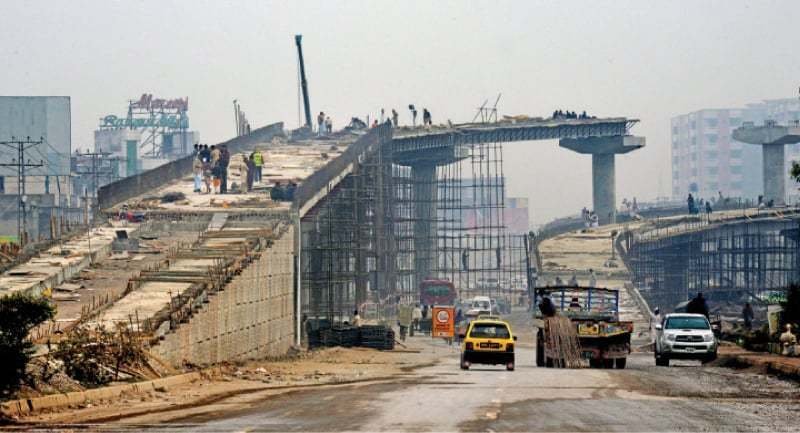
The federal government has proposed the largest share of its development budget for roads, highways, motorways and connectivity projects in the fiscal year 2026-27, reflecting a continued focus on transport infrastructure despite severe fiscal pressures.
Under the proposed Public Sector Development Programme for FY27, the overall federal development budget has been set at Rs 1.126 trillion. Of this amount, the transport and communications sector is proposed to receive Rs 408.9 billion, making it the biggest recipient of federal development funds.
According to sources in the Planning Commission, infrastructure projects will receive a total allocation of Rs 729.9 billion, which is around 65 percent of the entire PSDP. Within the infrastructure portfolio, transport and communications alone will account for nearly 36 percent of the total federal development budget.
The sector has been placed ahead of other major areas, including water resources, which are proposed to receive Rs 140.4 billion, and energy projects, for which Rs 135.6 billion has been proposed.
The National Highway Authority has been allocated Rs 264 billion for ongoing and new road schemes. The proposed funding covers several major highways, motorways and regional connectivity projects, including the N-25 highway, Indus Highway corridors, strategic road networks and other key routes in different parts of the country.
Among the major schemes proposed for funding are multiple sections of the N-25 highway, which connects Karachi, Quetta and Chaman. These sections together account for more than Rs 125 billion in planned allocations, making the project one of the most significant components of the transport development programme.
Other major projects include the Hyderabad-Sukkur Motorway, the Khyber Pass Economic Corridor, relocation works on the Karakoram Highway and several strategic road schemes in Balochistan, Khyber Pakhtunkhwa and Gilgit-Baltistan.
Officials say the focus on transport infrastructure is aimed at improving regional connectivity, strengthening trade routes, reducing travel time and supporting economic activity across the country. Improved road links are also expected to benefit remote and underdeveloped areas by connecting them with major markets and urban centres.
While infrastructure remains the dominant priority in the proposed development plan, the government has also earmarked Rs 187.2 billion for the social sector. This includes Rs 78.5 billion for education and higher education, Rs 24.3 billion for health and nutrition and Rs 70 billion for the Sustainable Development Goals programme.
Special areas, including Azad Jammu and Kashmir, Gilgit-Baltistan and merged districts, are proposed to receive a combined allocation of more than Rs 145 billion.
The development programme has been prepared at a time when the government is facing serious fiscal limitations. Ministries and divisions had demanded more than Rs 4.1 trillion for development projects, but the Finance Division provided an indicative ceiling of Rs 1.126 trillion.
The Planning Commission has also highlighted growing pressure from the federal project portfolio, which carries a throw-forward liability of more than Rs 10 trillion.
Officials have warned that more than 90 percent of ongoing projects are facing cost or time overruns, creating a major challenge for the government in financing new schemes while also completing existing commitments.
The proposed allocations show that the government is attempting to balance fiscal discipline with the need to continue large-scale infrastructure development, particularly in the transport sector, which remains central to national connectivity and economic growth.
Published: June 2, 2026 - 12:30 AM
Federal Development Budget FY27: Roads and Highways Get Largest Share as Government Prioritises Connectivity Projects
وفاقی ترقیاتی بجٹ : سڑکوں اور شاہراہوں کو سب سے بڑا حصہ، حکومت کی کنیکٹیویٹی منصوبوں پر توجہ برقرار
▫️Transport and communications sector proposed to receive Rs 408.9 billion out of Rs 1.126 trillion PSDP NHA allocated Rs 264 billion for key highway, motorway and regional road projects amid fiscal constraints and rising project liabilities
Islamabad | ReNews Pakistan The federal government has proposed the largest share of its development budget for roads, highways, motorways and connectivity projects in the fiscal year 2026-27, reflecting a continued focus on transport...
































