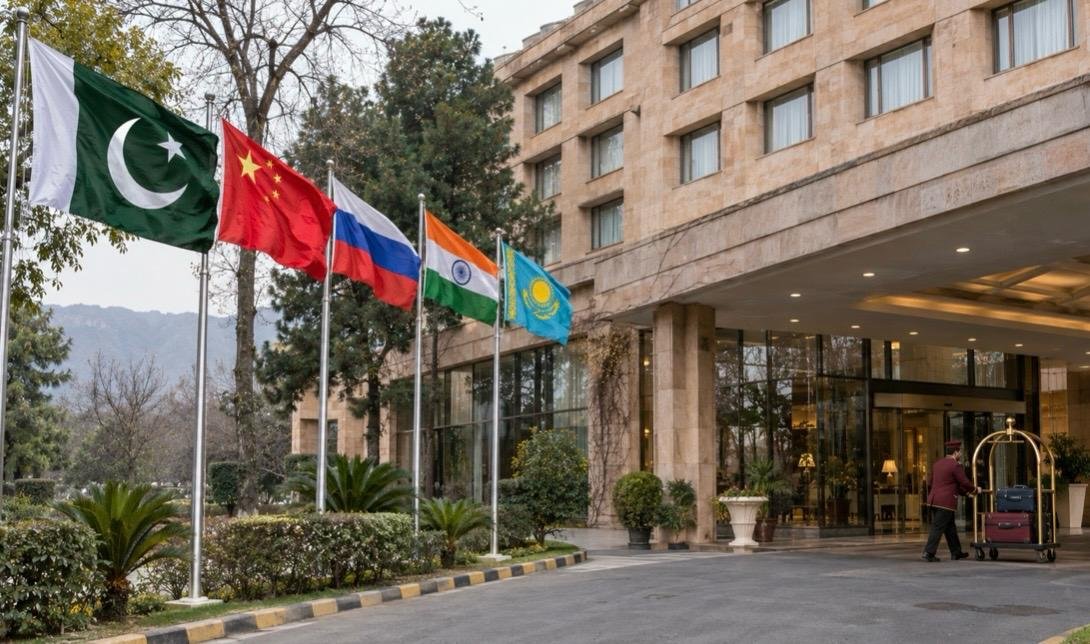
Islamabad’s four- and five-star room inventory has routinely strained during major diplomatic gatherings. Rather than relying solely on state-run guest houses, policymakers are seeking to nudge private operators into expanding existing properties and fast-tracking new developments. Under the draft proposal, the interior ministry has asked the State Bank of Pakistan (SBP) and major commercial lenders to devise a viable credit mechanism offering below-market interest rates, tied to strict construction and refurbishment timelines.
Yet the plan remains on the drawing board. Officials familiar with the deliberations note that a formal regulatory framework, repayment schedules and collateral requirements have yet to be finalised. Bankers and finance ministry officials are still hashing out how the interest-rate subsidy will be absorbed and what sovereign or commercial guarantees will underwrite the lending—a delicate balancing act in an economy still tightly bound by fiscal discipline.
Developers and hospitality executives have broadly welcomed the move. If cleared without bureaucratic drift, the credit line could inject fresh momentum into Islamabad’s commercial real-estate and construction sectors, while leaving behind upgraded tourism infrastructure long after the summit’s motorcades depart.