

Gilgit | ReNews Pakistan
The Gilgit Baltistan government has decided to make disaster resilient housing a key component of a Rs 16 billion Climate Resilience Project, as authorities seek to provide safer homes for families repeatedly affected by floods, cloudbursts and other natural disasters across the mountainous region.
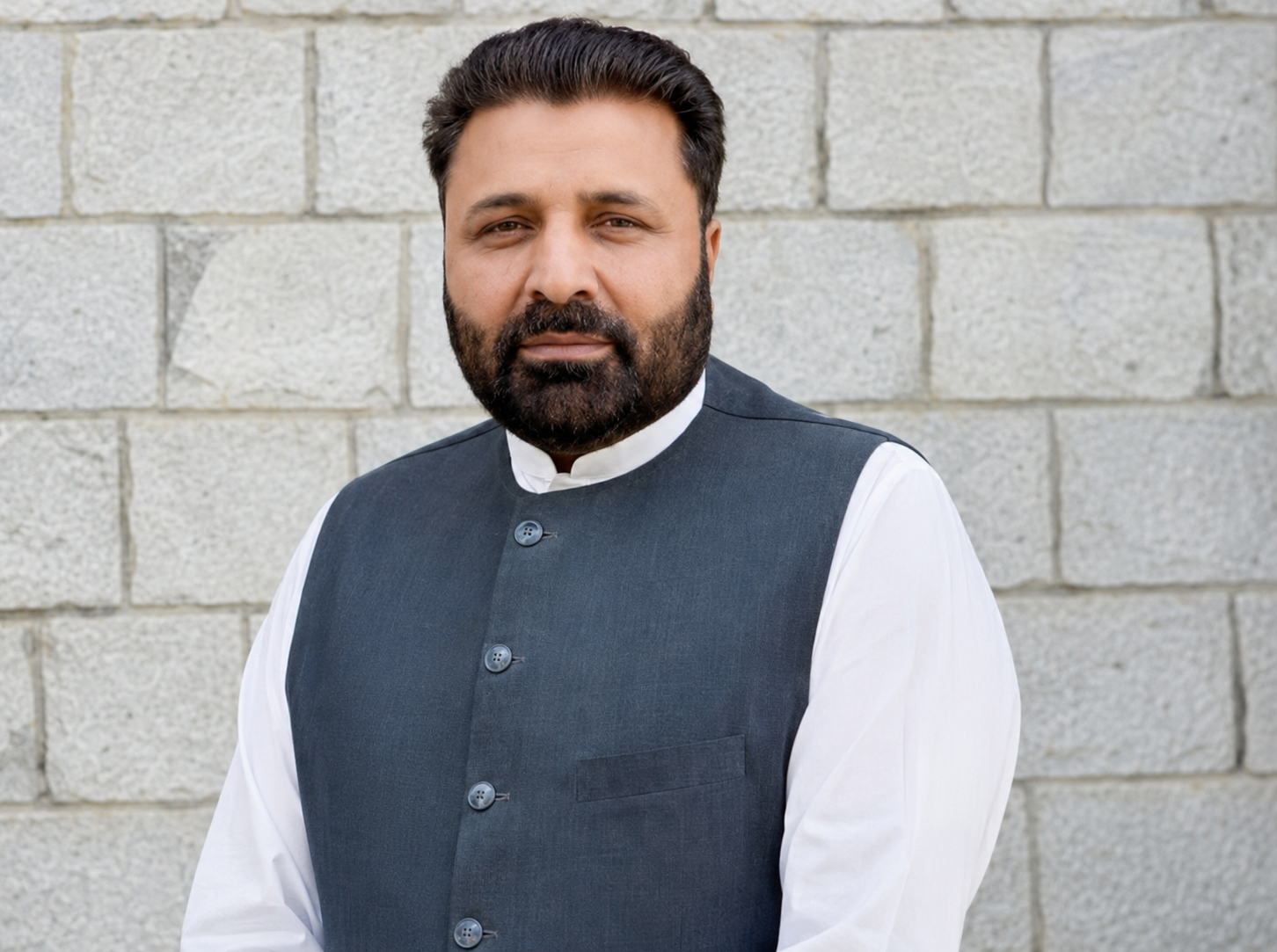
Chief Minister Gilgit-Baltistan Haji Amjad Hussain issued the directive after receiving a detailed briefing from the Planning and Development Department on the proposed climate resilience programme, which is being developed with support from international development partners.
The Chief Minister said Gilgit Baltistan remains highly vulnerable to climate related disasters, with flash floods and cloudbursts damaging or destroying homes in several areas each year. He stressed that rebuilding conventional houses in disaster prone locations without adequate resilience measures would leave communities exposed to recurring losses.
He directed the Planning and Development Department to formally incorporate a disaster-resilient housing component into the Rs 16 billion project. Under the proposed initiative, reconstruction and rehabilitation measures would be undertaken for homes damaged in vulnerable areas after approval from the relevant steering committee.
The housing programme is expected to focus on safer construction practices and climate resilient designs aimed at reducing the vulnerability of communities to future natural disasters.
The Chief Minister said rehabilitation of disaster affected families and the provision of safe shelter should remain among the government's priorities.
He noted that a housing colony for flood affected families was established in Bubar last year with support from the federal government. In another housing initiative, 200 homes are currently being constructed for families affected by natural disasters with assistance from the Sindh government.
The broader Rs16 billion Climate Resilience Project will extend beyond housing and include the development of environmentally sustainable and climate resilient public infrastructure. Plans also include safe drinking water facilities, sewerage systems and easier access to financing for local communities.
The initiative is intended to strengthen the ability of communities and public infrastructure to withstand the increasing impact of extreme weather and natural disasters while improving basic services across Gilgit Baltistan.
The Chief Minister also called for transparent implementation of the programme and directed that the Project Director be appointed strictly on merit through an open recruitment process. He said qualified professionals from all relevant disciplines should have an equal opportunity to compete for the position to ensure that the project is led by a competent candidate.
According to the Chief Minister, the Climate Resilience Project could have a wider economic impact by generating activity linked to housing and infrastructure development while supporting sustainable growth across the region.
With disaster-resilient housing now proposed as a central element, the project is expected to combine post-disaster rehabilitation with longer-term measures aimed at protecting vulnerable communities and reducing recurring damage to homes and essential infrastructure.
Published: August 7, 2026 - 5:49 PM
Gilgit Baltistan Plans Disaster Resilient Housing Under Rs 16 Billion Climate Project
گلگت بلتستان میں 16 ارب روپے کے کلائمیٹ پراجیکٹ کے تحت آفات سے محفوظ گھروں کی تعمیر کا منصوبہ
▫️CM Amjad Hussain orders dedicated housing component for families affected by floods and other natural disasters across vulnerable areas
Gilgit | ReNews PakistanThe Gilgit Baltistan government has decided to make disaster resilient housing a key component of a Rs 16 billion Climate Resilience Project, as authorities seek to provide safer homes for families repeatedly affe...
































