Islamabad | ReNews Pakistan
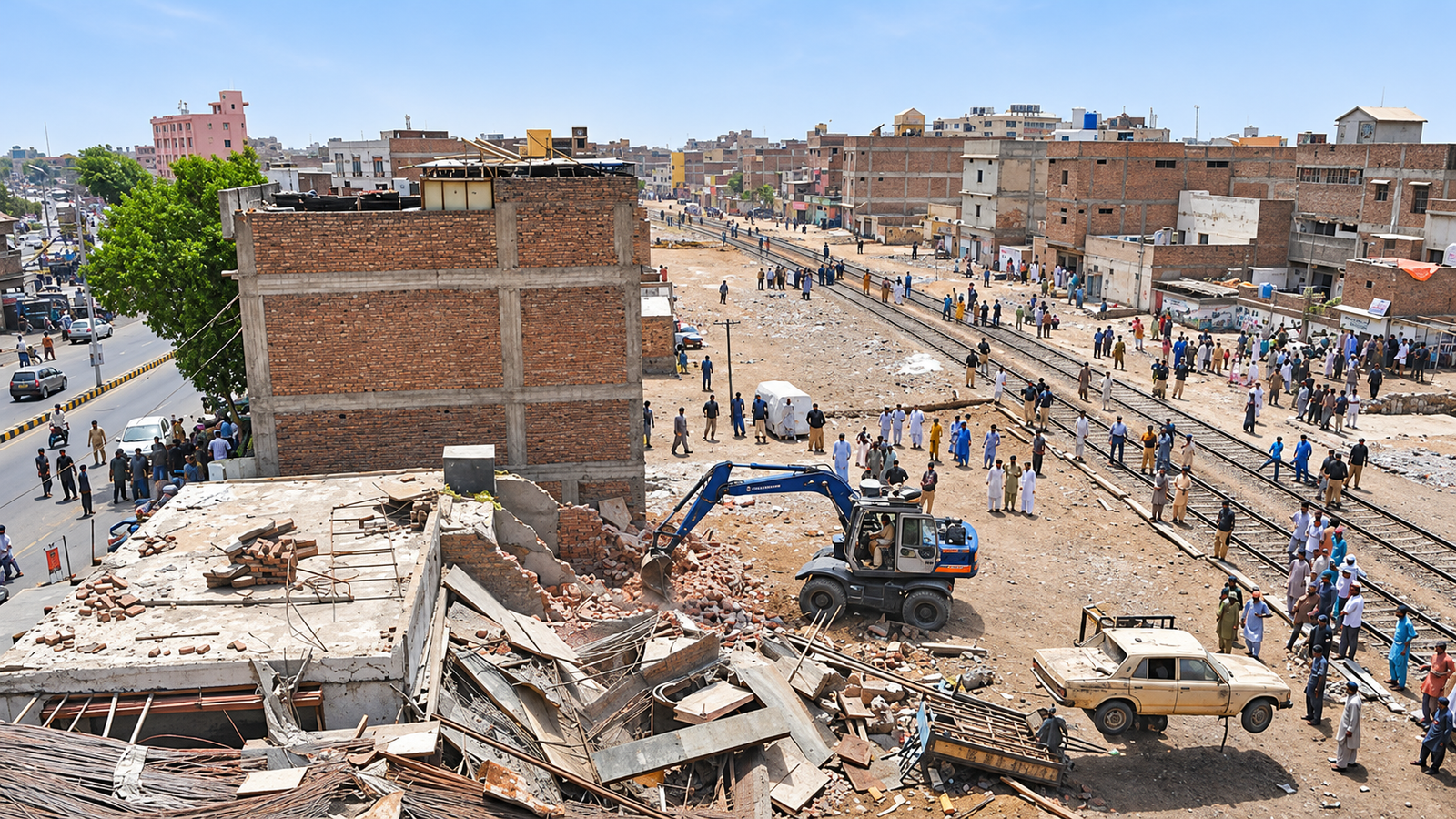
The federal government and the Capital Development Authority are working on a potential regulatory framework for around 199 unauthorized housing schemes linked to Islamabad, with authorities considering giving such projects an opportunity to address planning and legal deficiencies and enter the formal regulatory system.
Interior Minister Mohsin Naqvi has said authorities are dealing with approximately 199 illegal housing schemes, including 62 projects located outside the territorial limits of Islamabad but marketed using the name of the federal capital.
Naqvi indicated that these schemes could be offered an option to enter a registration and regulatory process, allowing them to remove illegalities, fulfil outstanding requirements and comply with applicable planning rules. The move suggests a possible shift towards creating a regulatory pathway for some longstanding projects rather than relying exclusively on enforcement measures such as sealing or demolition.
The issue has gained renewed attention because of longstanding cases such as Ghauri Town, where thousands of residents have been living for years despite unresolved approval issues. The CDA continues to list Ghauri Town, across all its phases, among illegal housing schemes on its official portal.
Under the CDA’s existing regulatory framework, private housing schemes are required to first obtain approval for their Layout Plan, or LOP. After completing subsequent legal and technical formalities, developers must obtain a No Objection Certificate before they can lawfully begin development work or sell plots.
The CDA had also initiated a consultancy process in January 2026 for preparation of a feasibility study on the regularization and upgradation of illegal housing schemes and settlements in Islamabad, indicating that a structured policy response to the issue had already been under consideration.
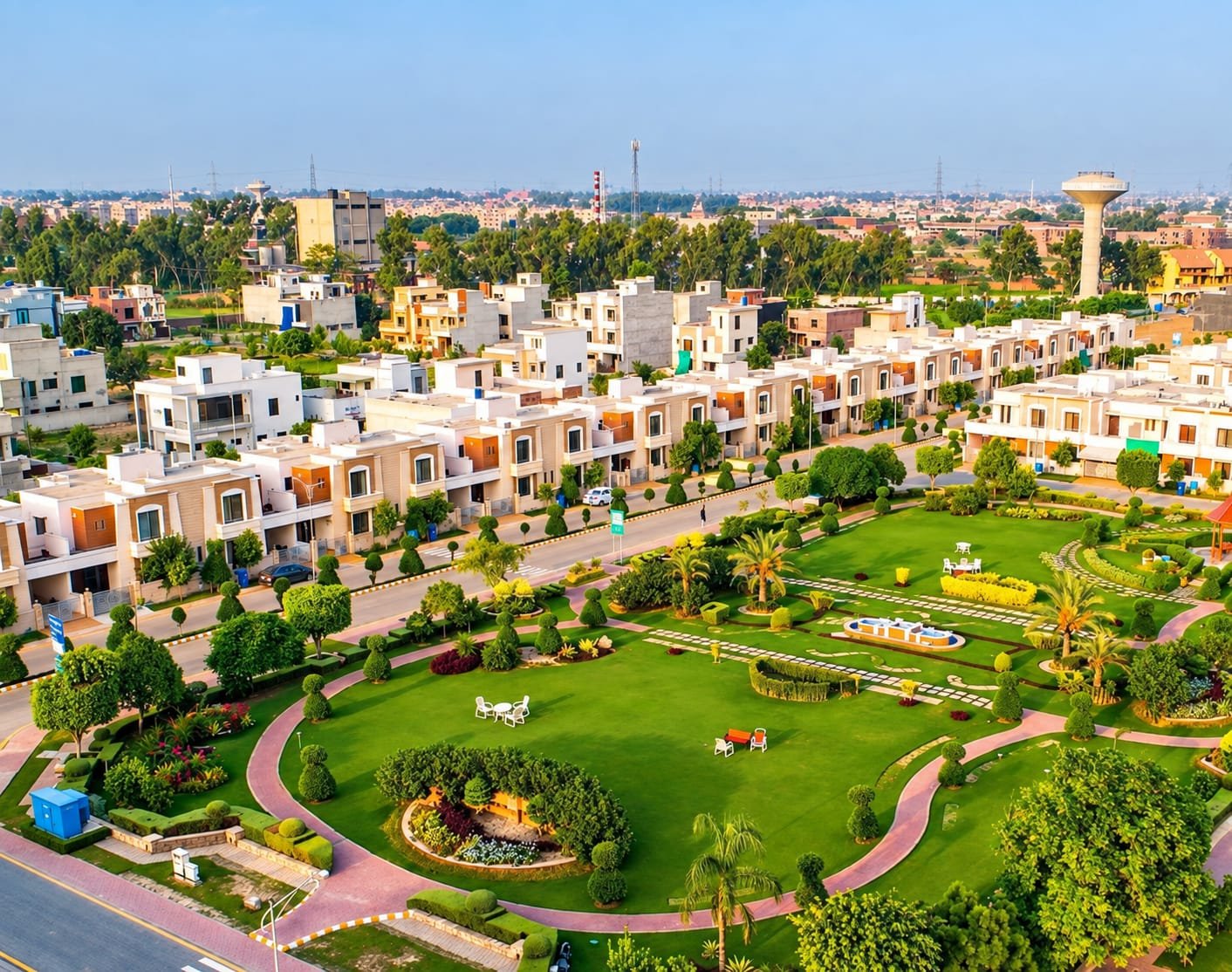
Any eventual regulatory framework will have to address complicated situations in which plots were sold years ago, roads and basic infrastructure were developed and houses were constructed, but the original developer failed to obtain the statutory approvals required from the relevant authorities.
For residents already living in such schemes, a workable regulatory mechanism could potentially provide a path towards resolving longstanding problems involving property titles, municipal services, planning standards and legal status.
However, consideration of regularization should not be interpreted as confirmation that any individual scheme has received an NOC or formal approval. The legal status of a housing scheme will remain unchanged unless and until the CDA formally revises that status.
Prospective buyers should therefore continue to verify the latest LOP and NOC position of any housing project directly with the CDA before making a purchase. Buyers should also avoid paying additional premiums based on expectations that a currently unauthorized scheme will necessarily be regularized in the future.
Published: October 6, 2026 - 3:01 PM
Government Considers Regulatory Framework for 199 Unauthorized Islamabad Housing Schemes
اسلام آباد کی 199 غیر مجاز ہاؤسنگ سکیموں کیلئےریگولیٹری فریم ورک زیر غور
▫️ Interior Minister Mohsin Naqvi signals plan to bring illegal projects under regulation, allowing schemes to address deficiencies and enter formal system
Islamabad | ReNews PakistanThe federal government and the Capital Development Authority are working on a potential regulatory framework for around 199 unauthorized housing schemes linked to Islamabad, with authorities considering giving ...