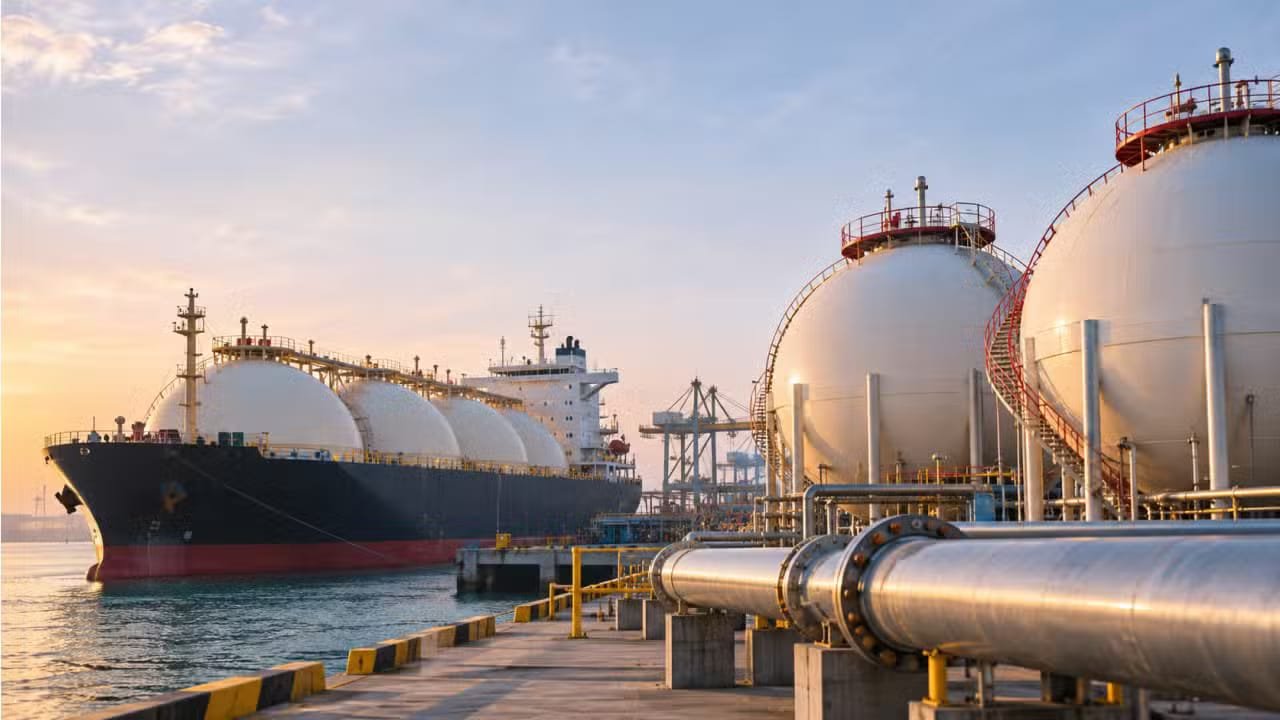
The government has drawn up a plan to invest about $1 billion over the next three to five years to expand Pakistan’s liquefied petroleum gas (LPG) infrastructure amid rising demand and constraints in the existing supply chain.
The proposed investment includes new import terminals, storage facilities, cylinders, filling plants and transport infrastructure. A senior Petroleum Division official said Pakistan’s annual LPG demand had reached about 2.4 million metric tonnes. Demand grew by an average of 7.5 per cent a year over the past six years and is expected to increase by 8 to 8.5 per cent annually in the coming years. The plan aims to expand the existing supply system and meet projected demand, according to sources.
A KPMG analysis based on government estimates projects that LPG demand will rise from about 2.4 million tonnes in fiscal year 2025-26 to 4.16 million tonnes by FY2032-33. Domestic production is expected to increase more slowly, from around 960,000 tonnes to 1.35 million tonnes over the same period. To bridge the gap, imports could rise from 1.4 million tonnes to 2.8 million tonnes. Pakistan’s existing infrastructure also requires expansion. Both of the country’s seaborne LPG terminals are located at Port Qasim, each with a storage capacity of about 6,500 metric tonnes. The terminals can receive vessels of up to approximately 10,000 dead weight tonnes, while their capacity to handle larger ships and provide additional storage remains limited. About 71 per cent of the country’s overall LPG supply is met through imports, according to a report.
Reports citing Petroleum Division documents have also highlighted rising demand, limited domestic production and reliance on imported supplies. Petroleum officials say disruptions to supply through the western border have underscored the need to diversify import sources and strengthen the transport network.
The proposed expansion could increase import and storage capacity while improving cylinder availability, filling operations and distribution across the country. However, available reports do not specify the plan’s final approval status, project schedule or implementation details.
Published: November 6, 2026 - 4:01 PM
Government Plans $1 Billion Investment in LPG Infrastructure
حکومت کا ایل پی جی انفرااسٹرکچر میں ایک ارب ڈالر سرمایہ کاری کا منصوبہ
▫️ Import terminals, storage facilities, cylinders and distribution networks to be expanded over three to five years
The government has drawn up a plan to invest about $1 billion over the next three to five years to expand Pakistan’s liquefied petroleum gas (LPG) infrastructure amid rising demand and constraints in the existing supply chain.