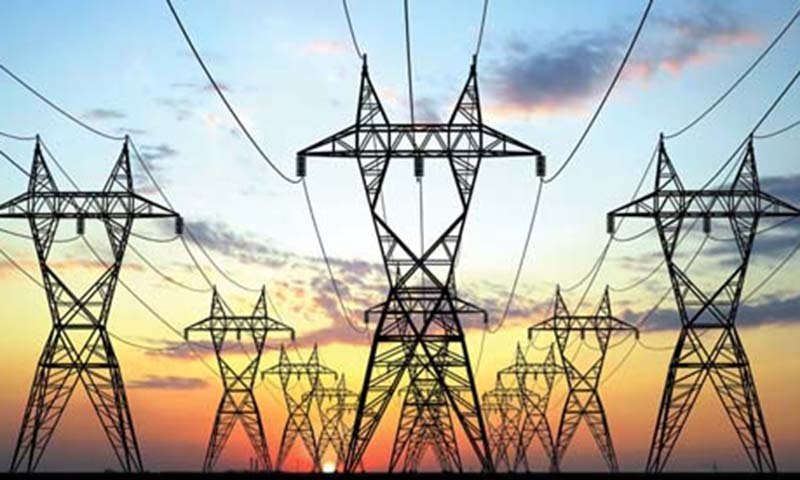
Pakistan’s electricity consumers are facing billions of rupees in additional costs because transmission constraints are preventing cheaper power generated in Sindh and southern Pakistan from reaching major consumption centres in the north. The National Grid Company (NGC), formerly known as the National Transmission and Despatch Company (NTDC), has struggled to transfer available electricity from Thar coal, nuclear and wind sources. As a result, the power system relies more heavily on costlier generation from regasified liquefied natural gas (RLNG) and imported coal, adding to already high electricity tariffs.
The Federation of Pakistan Chambers of Commerce and Industry (FPCCI) has criticised the proposed 2027 Power Purchase Price reference, calling for accountability over transmission-related inefficiencies. In its response to the Central Power Purchasing Agency’s petition, the business body said consumers should not bear the cost of a transmission network that cannot deliver cheaper electricity despite available generation capacity. The FPCCI also raised concerns about proposed increases in fixed charges, particularly capacity payments. It argued that additional revenue should not be used to sustain disproportionately high salaries, benefits and administrative expenses for senior officials in power sector entities.
The industry body cautioned that a proposed reduction in variable electricity charges could give the impression of lower tariffs while shifting more of the burden onto consumers through higher fixed charges. At a National Electric Power Regulatory Authority hearing on the June 2026 fuel cost adjustment, transmission constraints were reported to have imposed an annual financial burden of more than Rs 400 billion.
Based on the projected generation of 130,081 gigawatt-hours, that burden amounts to an estimated Rs 3.07 per unit, increasing costs for households and businesses.
Generation costs underline the potential savings from improved transmission. In June 2026, the fuel cost of RLNG-based electricity was Rs 35.5087 per unit, compared with Rs 11.4629 for Thar coal and Rs 2.8501 for nuclear power. Replacing RLNG generation with Thar coal could lower fuel costs by about Rs 24 per unit, highlighting the financial impact of transmission constraints that prevent cheaper electricity from reaching consumers.
Published: November 6, 2026 - 11:01 AM
Grid Constraints Add Rs 400 Billion to Pakistan’s Power Costs
گرڈ کی ترسیلی رکاوٹیں، بجلی کے اخراجات میں 400 ارب روپے کا اضافہ
▫️ Transmission bottlenecks limit the use of cheaper electricity from Thar coal, nuclear and wind sources; FPCCI warns that higher fixed charges could offset any relief from lower variable tariffs
Pakistan’s electricity consumers are facing billions of rupees in additional costs because transmission constraints are preventing cheaper power generated in Sindh and southern Pakistan from reaching major consumption centres in the north.