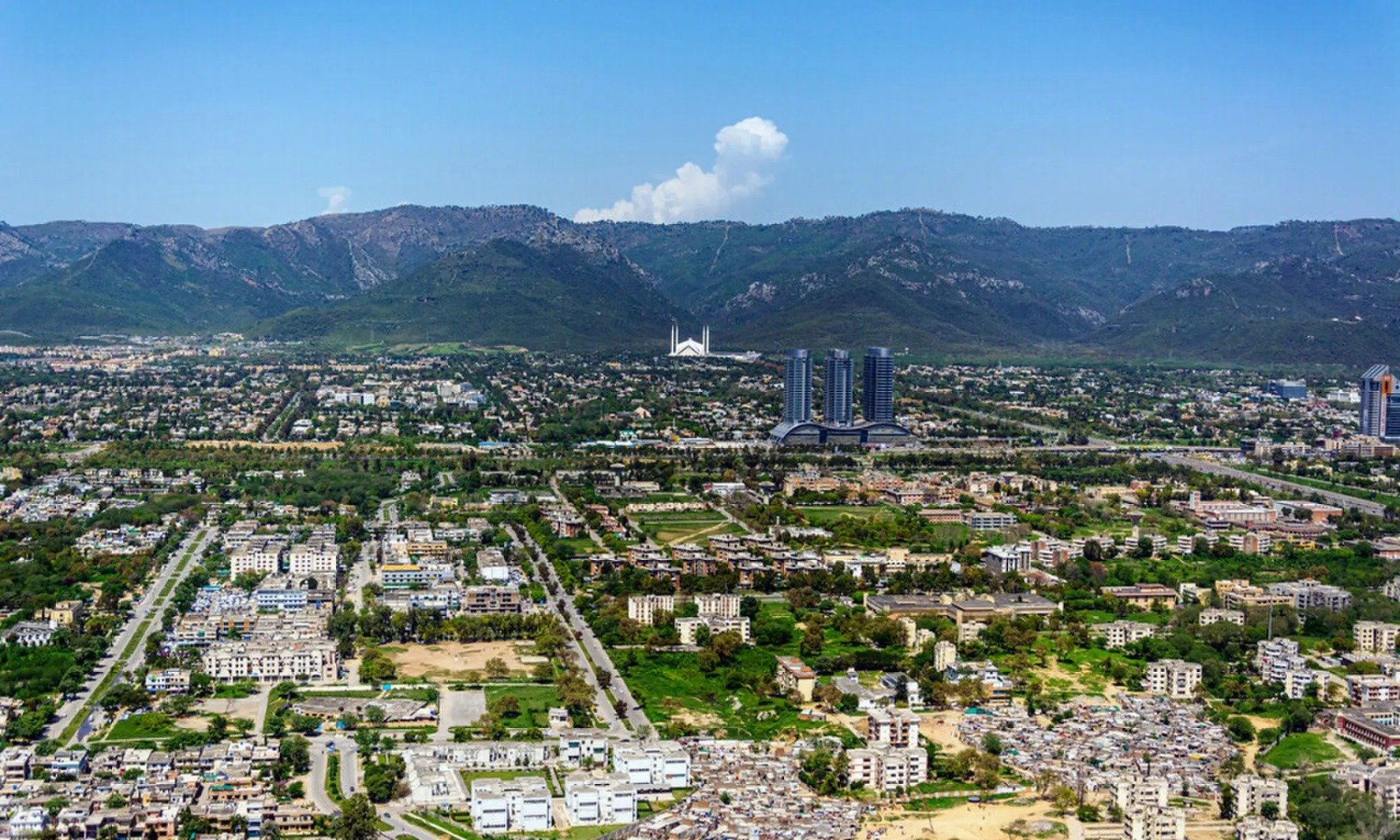
The Islamabad Chamber of Commerce and Industry (ICCI) has approached the federal and Punjab governments seeking the allocation of 800 to 1,000 acres of land for the establishment of the proposed Islamabad Model Special Economic Zone (IMSEZ), a major industrial development initiative intended to expand manufacturing capacity, attract domestic and foreign investment and create thousands of employment opportunities in the federal capital region.
ICCI President Muhammad Zikria Akbar Zia, said the establishment of the special economic zone was among the chamber's foremost priorities, particularly because Islamabad's existing industrial infrastructure was developed approximately five decades ago and has become increasingly inadequate to meet the requirements of the capital's expanding population and business community. He explained that the shortage of industrial land within Islamabad had restricted the expansion of existing manufacturing facilities and discouraged the establishment of new industrial enterprises, forcing some businesses to relocate their operations to other regions.
According to the ICCI president, the chamber's leadership has formally raised the proposed development with Special Investment Facilitation Council (SIFC) National Coordinator Lieutenant General Asad ur Rehman Afzal Cheema and Punjab Minister for Industries, Commerce and Investment Chaudhry Shafay Hussain. He maintained that the proposed economic zone could attract multibillion-rupee investments, support industrial diversification and create substantial employment opportunities while providing a dedicated development area for small and medium enterprises (SMEs).
Zia said investors from China and Türkiye had shown interest in business opportunities in Pakistan, particularly in the Islamabad region, and argued that a properly planned industrial zone with modern infrastructure and investment facilitation could help translate that interest into industrial projects. He also called for a comprehensive 10-year economic policy framework to provide continuity, regulatory certainty and long-term confidence to investors and industrial developers.
Highlighting the broader challenges affecting Islamabad's business environment, the ICCI president said the chamber was working with local representatives and relevant government institutions to address infrastructure deficiencies, administrative barriers and regulatory issues faced by traders and industrialists. He identified water shortages as a significant concern for the federal capital, stressing the need for coordinated measures to improve supply systems and support growing residential, commercial and industrial demand.
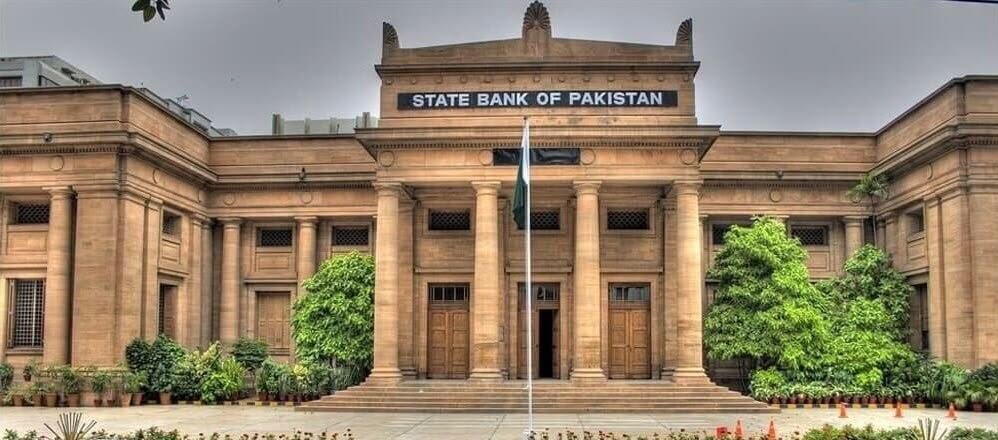
Zia said the chamber had recently secured initial relief for traders regarding restrictions involving polythene bags and was continuing efforts to address business concerns related to the State Bank of Pakistan's debt-recovery regulations, port charges and administrative matters involving the Capital Development Authority (CDA), Federal Board of Revenue (FBR) and Islamabad Electric Supply Company (IESCO).
He urged the CDA to include a non-voting representative of the ICCI in its decision-making framework so that the business community could contribute directly to discussions affecting urban planning, commercial regulations and economic development. The chamber president also emphasised the importance of restoring elected local government in Islamabad, arguing that municipal representation was essential for resolving civic problems and improving public accountability.
He called on the federal government to hold local government elections in the capital so that residents and businesses could have elected representatives involved in decisions concerning public services, infrastructure and local development. According to Zia, institutional coordination, improved municipal facilities and consistent economic policies would be essential to supporting the proposed special economic zone and creating a more competitive investment environment. He particularly highlighted the importance of SMEs, describing them as a central component of economic growth, employment generation and the development of industrial supply chains.
The ICCI president also welcomed Pakistan's hosting of the 30th Meeting of the Economic Cooperation Organization (ECO) Council of Ministers, describing the event and Pakistan's chairmanship of the organisation for 2026–27 as important opportunities to strengthen regional economic integration, industrial cooperation and international investment. He said the expected Islamabad Declaration and proposed ECO Vision 2035 could provide a long-term framework for improving trade connectivity, infrastructure development and sustainable economic cooperation among member states.
Zia stressed the need for meaningful implementation of the ECO Trade Agreement (ECOTA) and Transit Transport Framework Agreement (TTFA) to simplify cross-border trade procedures, reduce transportation costs and improve the movement of commercial goods across the region. He identified the proposed Uzbekistan–Afghanistan–Pakistan railway as a potentially significant infrastructure project that could connect Central Asian markets with Pakistani seaports, strengthening the country's position as a regional trade and logistics hub.
Referring to Pakistan's expanding commercial relations with Uzbekistan, Tajikistan, Kyrgyzstan, Azerbaijan and Kazakhstan, he urged governments and business organisations to convert diplomatic agreements into practical joint ventures, industrial partnerships and increased trade volumes. The chamber president proposed regular ECO business forums, trade exhibitions, business-to-business meetings and exchanges of commercial delegations to encourage cooperation between entrepreneurs and investors.
He further emphasised the importance of stronger railway links among ECO member countries, arguing that integrated rail and transit networks could provide more efficient transportation corridors for regional and international trade. According to Zia, Pakistan's industrial development ambitions, including the proposed Islamabad Model Special Economic Zone, could benefit from enhanced regional connectivity and investment cooperation, provided governments prioritised infrastructure development, predictable economic policies and meaningful private-sector participation.