Karachi | ReNews Pakistan
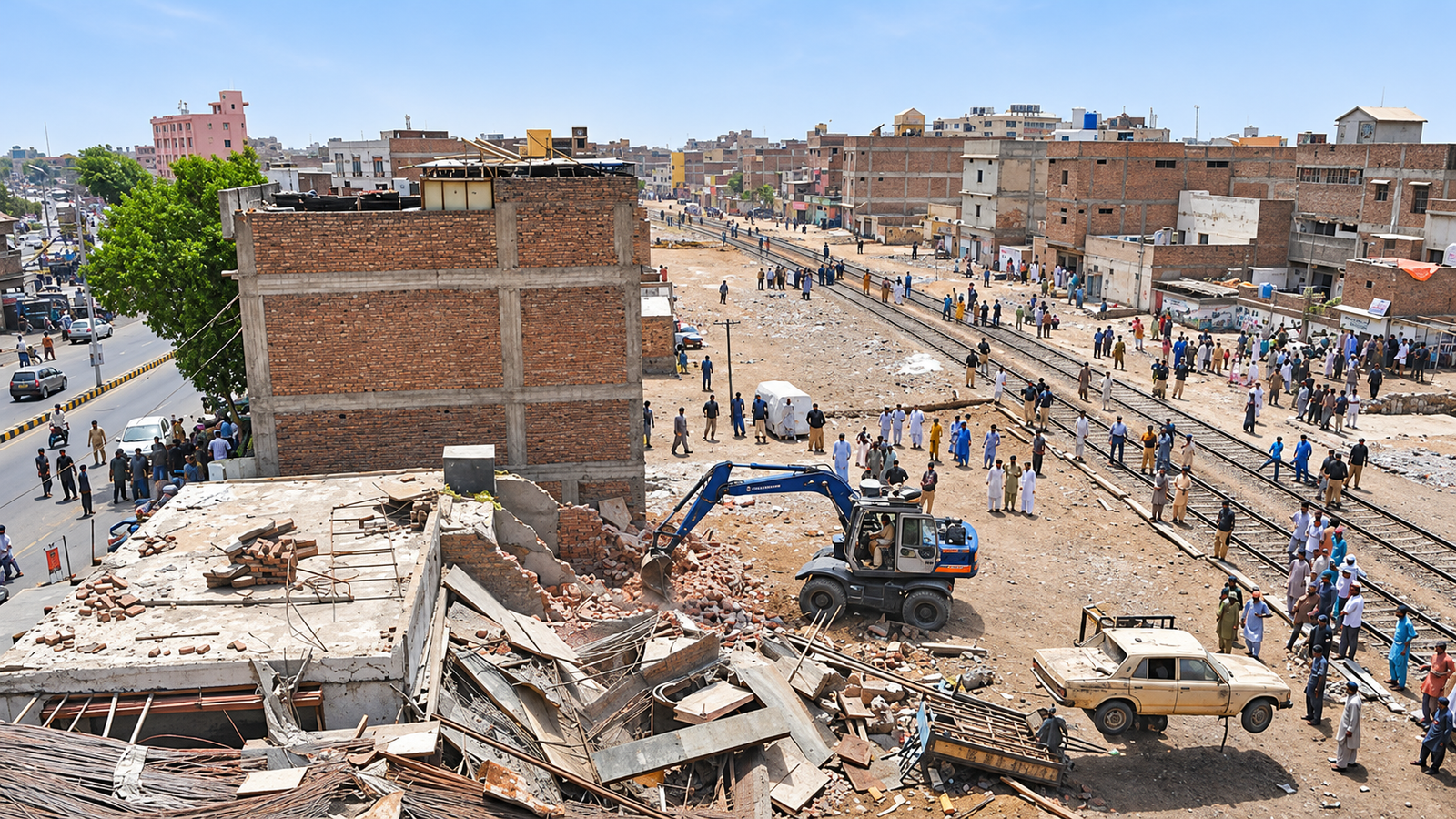
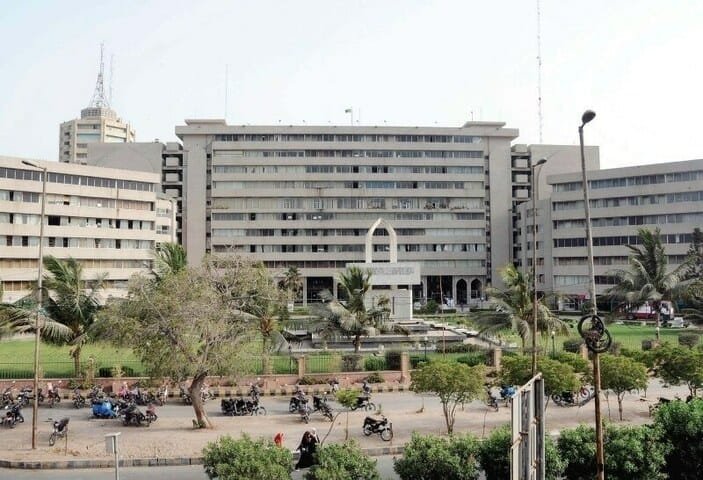
The Karachi Development Authority (KDA) has identified more than Rs8 billion worth of its land allegedly under illegal occupation in North Karachi, putting more than 350 shops, houses and other structures at risk of enforcement action.
The development has emerged as a major public-land and urban governance issue, highlighting the growing challenge of protecting state-owned property from encroachment and ensuring that land in major cities is used in accordance with approved plans and legal ownership arrangements.
According to the KDA, the action was launched on the special directives of Director General Asif Jan Siddiqui as part of an effort to reclaim valuable authority land and address alleged illegal occupation.
An enforcement and estate team, working under the supervision of KDA Director Estate and Enforcement Syed Zain Shah, conducted surveys in several parts of North Karachi. The survey identified more than 350 shops, residential houses and other structures allegedly constructed on KDA land in and around Sectors 5/A-1, 5/A-2, 5/A-3 and 5/A-4, including the area surrounding Madeehah Stop.
The authority subsequently issued notices to the occupants, giving them three days to appear before KDA officials and produce original ownership documents, allotment letters, leases and other legal records to establish their claims.
KDA officials said that during the initial verification process, most occupants failed to provide acceptable original documentation demonstrating lawful ownership or authorised occupation of the properties.
The authority has described the notices as a final opportunity for occupants to establish their legal claims before further action is taken. Properties for which ownership or lawful possession cannot be established could face enforcement measures, including demolition, subject to applicable legal procedures.
The case has also raised broader questions about the management of public land in Pakistan's urban centres. Several of the identified shops and structures have reportedly existed or remained operational for more than two decades, prompting questions over how construction, commercial activity and expansion were allowed to continue on land now being described as illegally occupied.
The issue is particularly significant for Karachi, where rapid urban expansion, rising land values and pressure on public land have made encroachment and unauthorised development persistent challenges for civic and development authorities.
The identification of land valued at more than Rs8 billion also underlines the potential financial significance of recovering government-owned property. Public land in densely populated urban areas represents a major state asset that can potentially be used for planned residential, commercial, institutional and public-service development.
The KDA's action could therefore have implications beyond the affected North Karachi properties, particularly if the authority expands the verification exercise to other areas under its jurisdiction.
The development also highlights the importance of maintaining accurate land records, conducting regular surveys and ensuring timely enforcement against unauthorised occupation. Delayed action can make land disputes more complicated, particularly where occupants have remained in possession for extended periods and developed commercial or residential structures on the disputed land.
For the real-estate sector, the case reinforces the importance of verifying title, allotment, lease and development approvals before purchasing, constructing or investing in property, particularly in areas where land ownership may be disputed.
The KDA is now expected to scrutinise the documents submitted by occupants and determine which properties have valid legal status. Those unable to establish lawful ownership or occupation could face further proceedings under the relevant laws.
The latest operation has consequently brought the protection and recovery of public land back into focus, with its outcome likely to be closely watched by property owners, investors, developers and other urban authorities across Pakistan.
Published: September 5, 2026 - 1:01 AM
KDA Identifies Over Rs 8 Billion Public Land Under Alleged Illegal Occupation in Karachi
کراچی میں کے ڈی اے کی 8 ارب روپے سے زائد مالیت کی سرکاری اراضی پر مبینہ قبضے کی نشاندہی
▫️More than 350 shops, houses and other structures in North Karachi face possible demolition as authority begins ownership verification
Karachi | ReNews PakistanThe Karachi Development Authority (KDA) has identified more than Rs8 billion worth of its land allegedly under illegal occupation in North Karachi, putting more than 350 shops, houses and other structures at risk...