

Islamabad | ReNews Pakistan
The price of liquefied natural gas, commonly known as LNG, in Asia has increased to nearly $22 per MMBtu, reaching its highest level in four months.
MMBtu is an international unit used to measure the amount of energy produced from natural gas. A rise in global LNG prices increases costs for countries such as Pakistan that depend on imported gas to meet their energy requirements.
The latest increase is linked to growing shipping risks in the Strait of Hormuz and the Red Sea. These important sea routes are used to transport large quantities of oil and LNG to different parts of the world.
Any disruption caused by regional tensions could affect LNG supplies and delay the arrival of cargoes. Higher shipping charges and insurance costs could also push LNG prices further upward.
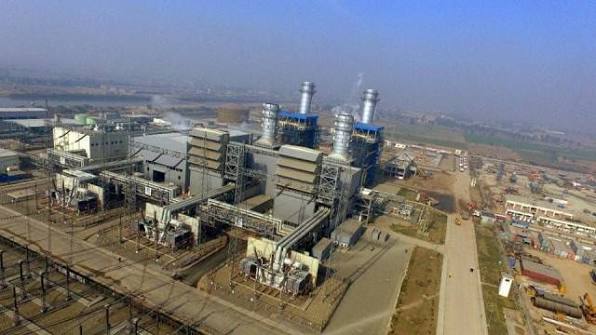
Pakistan relies on LNG-fired power plants to meet increased electricity demand during the summer. These plants become particularly important during evening peak hours when electricity consumption rises in homes, businesses and industries.
More expensive imported LNG could increase the cost of generating electricity at these power plants. The additional cost may later be passed on to consumers through monthly fuel price adjustments in electricity bills.
A fuel price adjustment reflects changes in the actual cost of the fuel used to generate electricity. Therefore, a continued rise in international LNG prices could result in higher electricity bills for Pakistani consumers.
Energy experts believe Pakistan needs to increase electricity generation from cheaper domestic resources, including hydropower, solar energy and other alternative sources. Better planning of LNG purchases and fuel supplies to power plants will also be necessary to limit the impact of international price increases.
Published: July 25, 2026 - 12:52 PM
LNG Price Hits $22, Raising Risk of Further Increase in Pakistan’s Electricity Costs
ایل این جی 22 ڈالر تک مہنگی، پاکستان میں بجلی مزید مہنگی ہونے کا خطرہ
▫️Asian LNG prices reach a four month high as shipping risks in the Strait of Hormuz and the Red Sea threaten supplies
Islamabad | ReNews PakistanThe price of liquefied natural gas, commonly known as LNG, in Asia has increased to nearly $22 per MMBtu, reaching its highest level in four months.
































