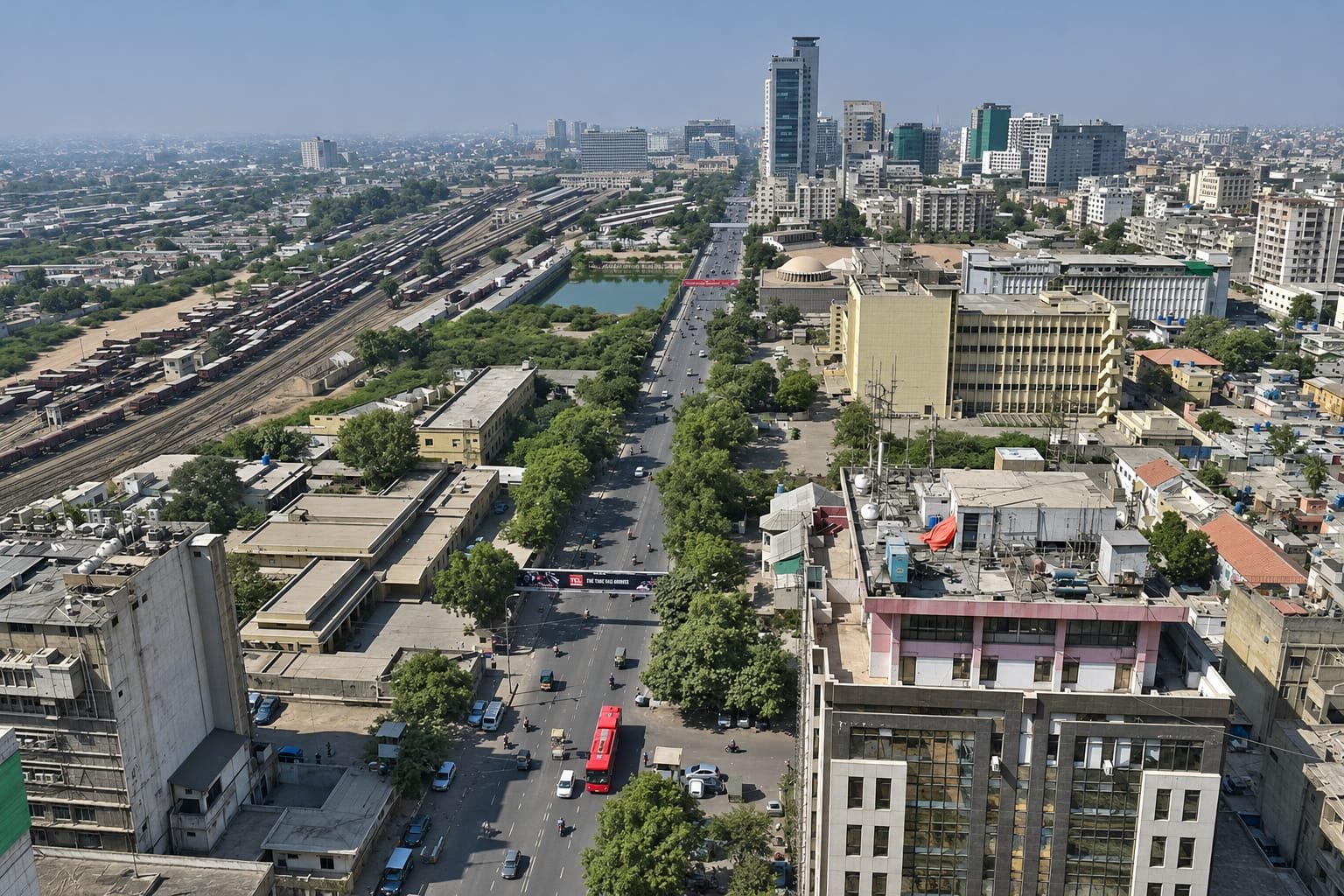
More than 70% of nearly 1,900 buildings inspected in Karachi since January have failed to meet required fire safety standards, raising concerns about the safety of thousands of people who live, work or study in them.
The findings were shared at the fourth National Fire Safety Conference and Risk-Based Awards 2026, organised by the Fire Protection Association of Pakistan (FPAP). Rescue 1122 Chief Operating Officer Abid Jalal said the audits had found deficiencies in the safety arrangements of most buildings inspected this year. Jalal said the results pointed to serious gaps in the enforcement of building safety regulations, despite several major fires in the city. He called for a revision of the 2016 building code and the creation of a dedicated technical body to set fire safety standards, conduct inspections and monitor compliance.
Chief Fire Officer Humayun Khan said Karachi had recorded around 160 fire incidents in the preceding two weeks.
He cited encroachments, narrow roads and delays in reporting emergencies as obstacles that can hinder firefighters’ response. Referring to the Gul Plaza fire, Khan said the central fire station was notified nearly 26 minutes after the blaze began, even though videos of the incident were already circulating on social media. He criticised people who record fires without promptly alerting emergency services, saying delays can affect rescue operations. Khan said Karachi’s fire station network had grown from 22 stations to 28. The department currently has eight snorkels and 52 water bowzers, he added.
FPAP President Kanwar Waseem urged building owners and managers to ensure that fire alarms, sprinklers and extinguishers are operational and that emergency exits remain accessible. He also called for practical fire safety training for employees, students and other building occupants. Former Karachi Chamber of Commerce and Industry President Javed Bilwani raised concerns about limited firefighting infrastructure in commercial and industrial areas. He said Karachi accounts for approximately 54% of Pakistan’s exports and 67% of its tax revenues, but several industrial estates and markets—including McLeod Road—lack essential fire hydrants.
Former Provincial Disaster Management Authority Operations Director Imdad Siddiqui said weak policy implementation and poor coordination between institutions remained key challenges in disaster management.
Hussain Habib Corporation Chief Executive Officer Fawad Bari stressed the importance of basic fire safety education, particularly teaching children how to evacuate buildings and respond to emergencies.
Participants also discussed lessons from the Gul Plaza and PIMS fire tragedies, calling for stronger enforcement of safety rules and greater public awareness to improve preparedness and reduce risks.
Published: November 7, 2026 - 10:01 AM
More Than 70% of Karachi Buildings Fail Fire Safety Checks
کراچی کی 70 فیصد سے زائد عمارتیں فائر سیفٹی معیار پر پوری نہ اتر سکیں: رپورٹ
▫️ Rescue 1122 says nearly 1,900 buildings were audited this year; officials cite weak enforcement, delayed emergency reporting and inadequate firefighting infrastructure
More than 70% of nearly 1,900 buildings inspected in Karachi since January have failed to meet required fire safety standards, raising concerns about the safety of thousands of people who live, work or study in them.