

Islamabad | ReNews Pakistan
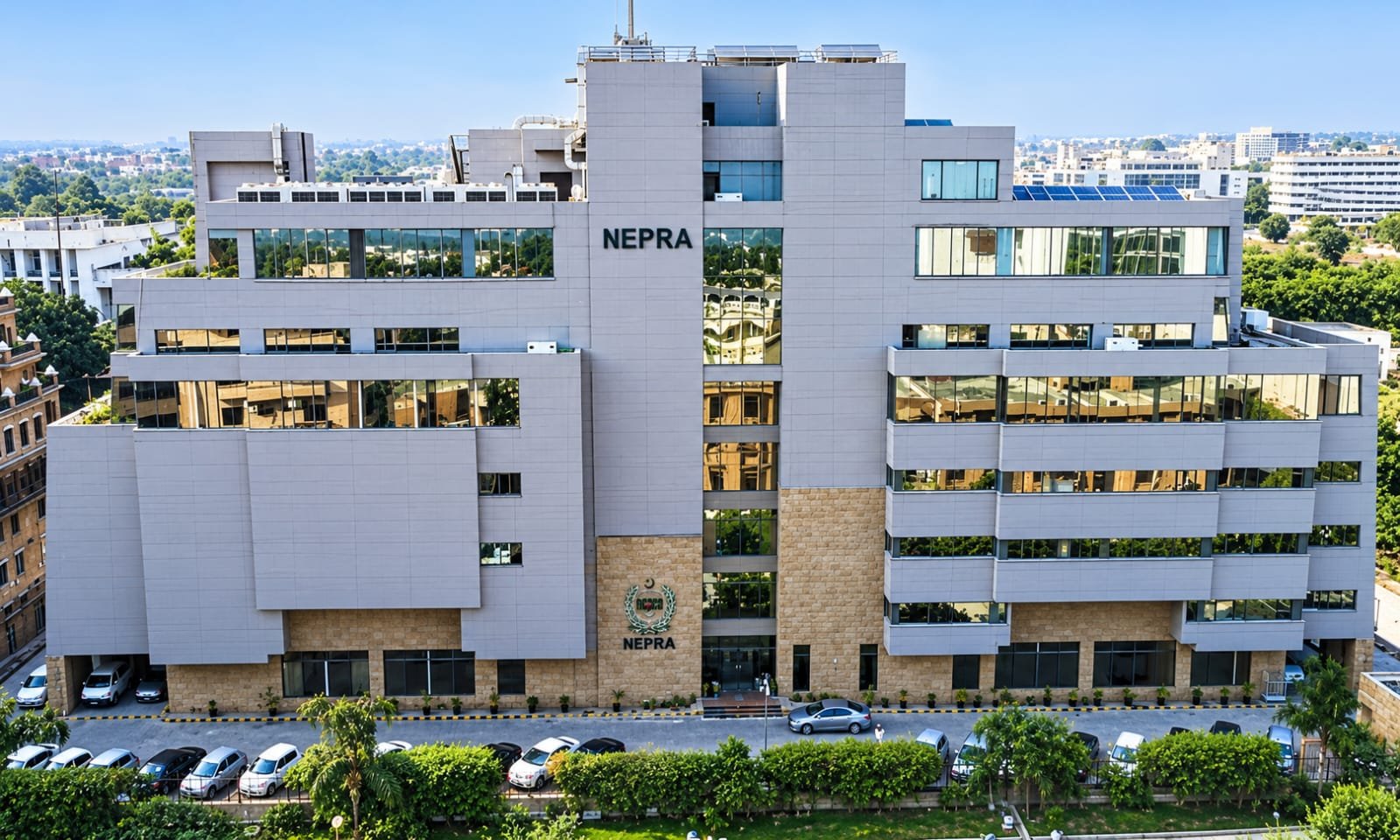
The National Electric Power Regulatory Authority (NEPRA) has proposed a series of amendments to rules governing high rise buildings, industrial consumers, steel furnaces and electricity theft, seeking public and stakeholder feedback on the proposed changes.
Under the proposed amendments, owners of buildings requiring dedicated transformers with a capacity of more than 500 kVA would be required to pay grid-sharing charges. Under the existing rules, ground plus three storey buildings are excluded from the high rise category and are therefore not subject to such charges. The proposed amendment would link the applicability of grid-sharing charges to the requirement for a transformer exceeding 500 kVA.
NEPRA has also proposed allowing industrial consumers at a single location to obtain up to three electricity connections or increase their load. The facility would be subject to technical feasibility and available capacity at the existing grid station. The combined load of all connections would be capped at 15 MW, provided that all connections fall under the same tariff category.
Consumers using more than 5 MW would be required to bear 100% of the grid sharing and transmission line costs. The proposed charge is Rs8.948 million per MW, while consumers would also bear 100% of the land cost, estimated at Rs855,000 per MW.
For loads exceeding 15 MW, a dedicated grid station and associated transmission line would be required. However, if a consumer initially pays grid sharing, transmission line and land costs and subsequently obtains a dedicated connection, the proposed framework would allow the previously paid amounts to be refunded. The proposed system would also apply to commercial and bulk supply connections.
NEPRA has proposed separate connection requirements for steel furnaces. For loads of up to 1 MW, consumers would be required to bear the cost of dedicated transformers, an 11 kV distribution feeder and rehabilitation expenses. For loads above 1 MW and up to 2.5 MW, dedicated transformers along with a dedicated 11 kV feeder or rehabilitation charges based on actual costs would be required. For loads above 2.5 MW and up to 5 MW, dedicated transformers and an 11 kV feeder would be mandatory.
The regulator has also proposed extending the period for issuing detection bills in certain electricity theft cases. Registered consumers involved in cases such as tampered or fraudulent meters, alteration or freezing of meter load profiles, software tampering, reversal of meter readings through Bluetooth devices and security breaches could face detection bills covering up to 12 months.
Under the proposed mechanism, detection bills would be calculated on the basis of load rather than past or future electricity consumption. For domestic consumers, the detection period would remain limited to six months. For consumers in other tariff categories, bills covering up to 12 months could be assessed based on the quantity of electricity theft and the available evidence.
The amendments proposed by NEPRA are currently proposals and would be finalised after consideration of feedback from the public and relevant stakeholders.
Published: September 28, 2026 - 11:01 AM
NEPRA Proposes New Grid Sharing Charges for High Rise Buildings and Large Industrial Consumers
نیپرا کی بلند عمارتوں اور بڑے صنعتی صارفین کیلئے نئے گرڈ شیئرنگ چارجز کی تجویز
▫️ Consumers using more than 5 MW would be required to bear 100% of grid-sharing and transmission line costs
Islamabad | ReNews PakistanThe National Electric Power Regulatory Authority (NEPRA) has proposed a series of amendments to rules governing high rise buildings, industrial consumers, steel furnaces and electricity theft, seeking public an...
































