Islamabad | ReNews Pakistan
Pakistan and the Islamic Development Bank (IsDB) have made progress towards strengthening development cooperation under a proposed $5.6 billion financing framework covering infrastructure development, transport connectivity, trade facilitation, private sector investment and public health initiatives.
The government has emphasised the need to translate the indicative financing commitments into a pipeline of well prepared development projects, with clearly defined timelines for project approvals, fund disbursements and implementation.
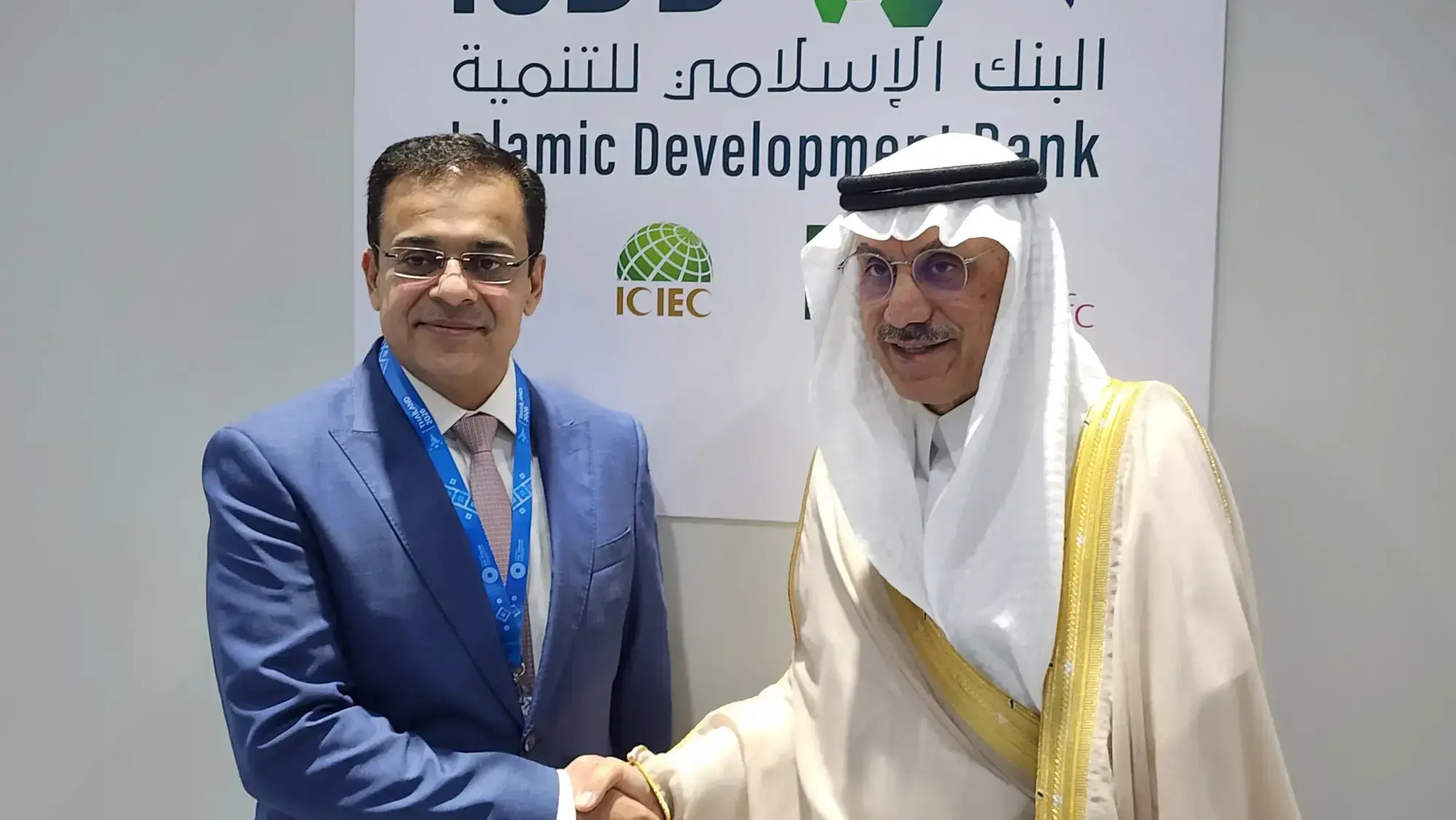
Federal Minister for Economic Affairs Ahad Khan Cheema met Islamic Development Bank Group Chairman Dr Muhammad Sulaiman Al Jasser in Bangkok, Thailand, on October 15, 2026, on the sidelines of the World Bank Group and International Monetary Fund Annual Meetings.
The discussions focused on accelerating cooperation under Pakistan's Member Country Partnership Strategy (MCPS) 2026 to 2030, which envisages approximately $5.6 billion in indicative financing from the IsDB Group.
Cheema congratulated Dr Al Jasser on his re election for a second five year term and reaffirmed Pakistan's confidence in his leadership.
According to an official statement, the minister welcomed the financing framework but stressed that the proposed financial envelope must be translated into specific, investment-ready projects capable of delivering measurable economic and social benefits.
The $5.6 billion represents indicative financing envisaged under the partnership strategy rather than a single fully approved or immediately available loan package. Individual projects will require preparation, appraisal, financing approvals and compliance with the relevant conditions before funds can be disbursed.
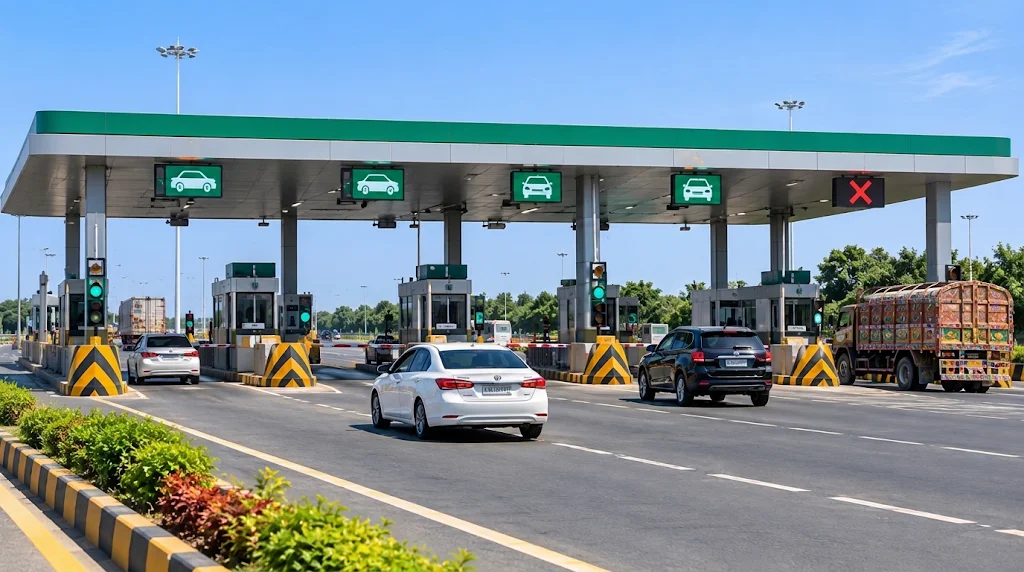
The Sukkur Hyderabad M 6 Motorway featured prominently in the discussions, with Cheema appreciating the IsDB's $475 million financing for the project.
The M 6 Motorway is a major component of Pakistan's national motorway network, intended to improve road connectivity between Sindh's northern and southern regions and strengthen freight movement between Karachi's ports and the country's major industrial and commercial centres.
The project is also expected to support more efficient transport operations and improve the movement of goods along Pakistan's principal north-south trade corridor.
From an infrastructure and real estate development perspective, improved motorway connectivity could create opportunities for logistics centres, warehousing facilities, industrial estates and commercial developments near major transport interchanges.