

Islamabad | ReNews Pakistan
Pakistan’s low cost hydropower generation has risen above 7,000 MW during the monsoon season as higher river flows and improved water availability have increased output from major hydropower projects.
Tarbela, Mangla, Ghazi Barotha, Warsak and Chashma are among the key hydropower facilities contributing to the increase, strengthening the share of water based electricity in the national power system.
The rise in hydropower generation comes at a time when Pakistan continues to face pressure from electricity costs, fuel prices and the high cost of thermal power generation. Greater availability of hydropower can reduce the need to dispatch more expensive thermal plants and help lower the overall cost of electricity generation.
Pakistan’s Flood Forecasting Division reported significant improvement in water availability at major reservoirs during August. Tarbela Dam reached its maximum conservation level of 1,550 feet on August 10, while water levels at Mangla also continued to rise following rainfall in its catchment areas.
Official hydrological data showed that Tarbela remained at its maximum conservation level on August 28, while Mangla was around 75 percent full. The weather authorities also forecast further rainfall in the upper catchments of major rivers during the period, potentially supporting river flows.
Tarbela remains one of Pakistan’s most important hydropower facilities, while Mangla also plays a major role in the national electricity system. The ongoing refurbishment and expansion work at Mangla is expected to increase its generation capacity further over time.
Energy sector experts say higher hydropower output provides an important cost advantage because electricity generated from water generally has a lower operating cost than electricity produced from fuel based thermal plants.
The increase in hydropower generation can therefore help reduce the dispatch of expensive thermal generation, particularly when water availability is strong during the monsoon season. This can support the national grid while easing pressure on fuel related power generation costs.
However, hydropower output remains dependent on seasonal water availability. Experts say Pakistan will need better water management, additional storage capacity and timely completion of new hydropower projects if the country wants to maintain a larger share of low cost electricity in its energy mix throughout the year.
The government has also planned to add around 1,960 MW of hydropower capacity during the 2026 to 2027 commissioning cycle. Three units of the Tarbela Fifth Extension Project account for a major part of the planned addition.
The latest increase highlights the strategic importance of hydropower for Pakistan’s energy sector. With improved water availability and additional capacity expected from new and refurbished projects, hydropower could play a larger role in reducing reliance on costly thermal generation and supporting more affordable electricity.
At the same time, seasonal fluctuations in river flows mean that hydropower cannot alone provide a stable year round solution. A balanced generation mix and stronger water resource management will remain important for Pakistan’s long term energy security.
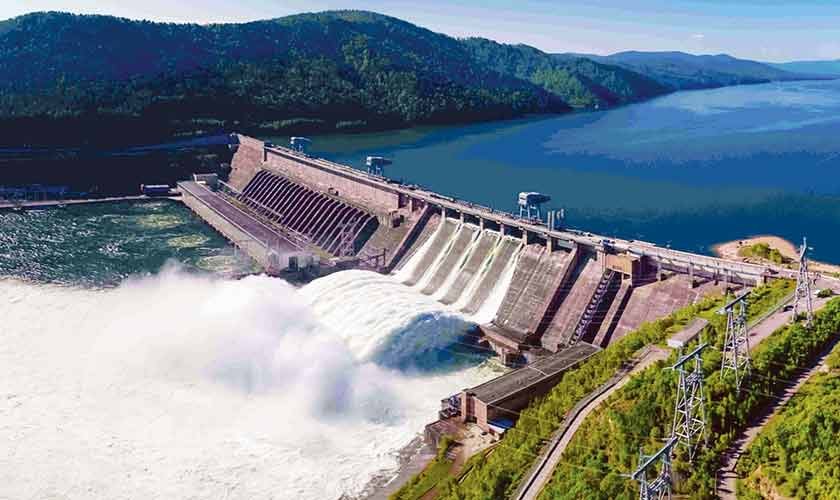
Published: August 31, 2026 - 2:40 PM
Pakistan’s Hydropower Generation Crosses 7,000 MW During Monsoon
پاکستان میں ہائیڈل پاور کی پیداوار 7 ہزار میگاواٹ سے تجاوز کر گئی
▫️Higher river flows and improved water availability boost low cost hydropower from major projects including Tarbela and Mangla, easing pressure on thermal generation
Islamabad | ReNews PakistanPakistan’s low cost hydropower generation has risen above 7,000 MW during the monsoon season as higher river flows and improved water availability have increased output from major hydropower projects.
































