Islamabad | ReNews Pakistan
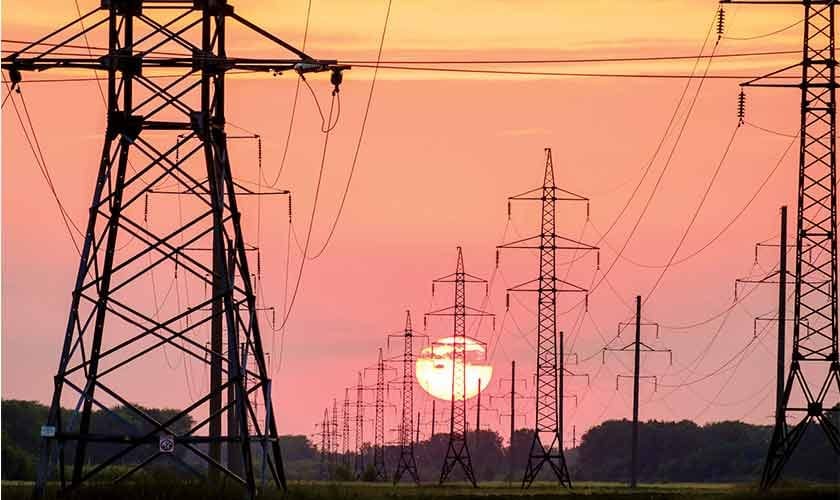
Pakistani electricity consumers are facing an additional financial burden of up to nearly Rs. 9 per unit in hidden taxes and charges, as electricity bills continue to be used as a major channel for tax collection.
According to reports, the Federal Board of Revenue is increasingly relying on power bills to collect various taxes from consumers. This has added further pressure on households, commercial users and industrial consumers who are already struggling with high electricity tariffs, fuel adjustment charges and rising living costs.
Electricity bills in Pakistan currently include six different categories of taxes and duties. These include 18 percent General Sales Tax, income tax and advance income tax, along with other charges imposed through utility bills. As a result, consumers are not only paying for electricity usage but are also carrying a significant tax burden through their monthly bills.
The additional taxation means that many consumers are effectively paying nearly Rs 9 per unit on top of the actual electricity tariff and other adjustments. For households, this has made monthly bills increasingly difficult to manage, especially at a time when inflation and income pressures remain high.
The impact is even more serious for industries and businesses. Industrial users have repeatedly warned that rising electricity costs are making production more expensive, reducing competitiveness and slowing economic activity. Higher power costs also affect exports, small businesses and overall investment confidence.
Business groups argue that using electricity bills as a tax collection tool places an unfair burden on documented consumers and discourages economic growth. They have urged the government to review the structure of taxes and duties on power bills and reduce unnecessary charges to provide relief to consumers and support industrial activity.
The issue has once again highlighted the need for broader reforms in Pakistan’s energy and tax systems. Experts believe that without reducing the hidden cost of electricity, both consumers and businesses will continue to face serious financial pressure.
Published: May 18, 2026 - 11:30 AM
Pakistanis Paying Up to Rs 9 Per Unit in Hidden Electricity Taxes Through Power Bills
پاکستانی صارفین بجلی کے بلوں میں خفیہ ٹیکسوں کی مد میں فی یونٹ 9 روپے تک ادا کرنے پر مجبور
▫️Six different taxes and duties, including GST, income tax and advance income tax, are being collected from consumers through electricity bills
Islamabad | ReNews Pakistan Pakistani electricity consumers are facing an additional financial burden of up to nearly Rs. 9 per unit in hidden taxes and charges, as electricity bills continue to be used as a major channel for tax coll...