

Islamabad | ReNews Pakistan
The federal government has launched a new Retailer Scheme App aimed at simplifying tax compliance for small shopkeepers and bringing more businesses into the formal tax system through a mobile based filing process.
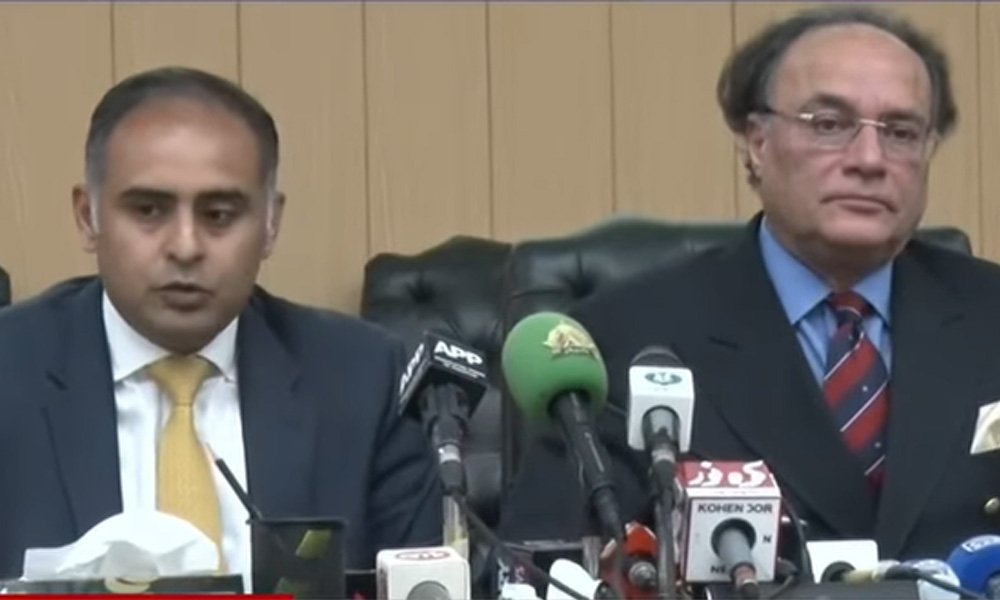
Finance Minister Muhammad Aurangzeb formally launched the application alongside Minister of State for Finance Bilal Azhar Kayani and the Chairman of the Federal Board of Revenue (FBR), describing the initiative as part of a broader effort to make taxation easier for small businesses while expanding the country’s tax base.
Under the new framework, small retailers have been provided with a separate and simplified tax treatment compared with other categories of businesses. The scheme is optional, meaning shopkeepers who prefer to continue under the regular tax regime may do so.
According to the government, the app has been designed for both existing registered taxpayers and retailers who are currently outside the tax net. It will allow small shopkeepers to register as filers and submit their income tax returns through their mobile phones, reducing the need for more complex paperwork and in-person filing procedures.
Retailers covered under the scheme will not be required to install Point of Sale (POS) systems, which has been a major concern for many small traders. A minimum annual tax of Rs 25,000 will apply to small retailers participating in the scheme.
The government also plans to introduce local-language versions of the application by the first week of September in an effort to improve accessibility for traders across different regions of the country.
The scheme is particularly relevant for thousands of small businesses operating from commercial shops, markets, plazas and mixed use properties, where shopkeepers and small scale tenants often operate with limited accounting capacity. Easier tax registration and filing could gradually increase formal documentation of businesses operating from such commercial real estate.
Officials believe that improved documentation of retailers may also have wider implications for the commercial property sector, as greater formalisation of shop-based businesses could strengthen records relating to business activity, tenancy arrangements and income generated from commercial premises.
Bilal Azhar Kayani said the effective implementation of the Retailer Scheme could bring millions of traders into the formal tax system and expand their contribution to government revenues.
The government had introduced the fixed tax regime for small retailers in June. Under the framework, retailers with annual sales of up to Rs200 million are liable to pay tax at the rate of one percent of their declared annual turnover.
Eligible retailers seeking to join the simplified regime are required to submit a one-page declaration and pay tax according to their declared annual turnover.
Retailers opting for the scheme will also be exempt from routine tax audits, withholding agent responsibilities and mandatory POS requirements, reducing several compliance obligations that traditionally create difficulties for smaller businesses.
Taxes already deducted through electricity bills, other utility payments or additional sources will remain adjustable against the retailer’s final tax liability, according to the framework.
The government says the new digital system is intended to strike a balance between broadening the tax base and reducing compliance costs for small businesses.
If widely adopted, the scheme could significantly increase the number of documented retailers across the country and bring a large segment of shop based commercial activity into the formal economy, while also improving transparency in markets and commercial property linked businesses.
Published: August 20, 2026 - 5:53 PM
Retailer Scheme App Launched to Simplify Tax Filing for Small Businesses
ریٹیلر سکیم ایپ متعارف، چھوٹے کاروباروں کیلئے ٹیکس فائلنگ آسان بنانے کا اقدام
▫️Scheme may also ease compliance for small commercial property occupants and shop based businesses, with minimum annual tax set at Rs 25,000 and local language access planned for September
Islamabad | ReNews PakistanThe federal government has launched a new Retailer Scheme App aimed at simplifying tax compliance for small shopkeepers and bringing more businesses into the formal tax system through a mobile based filing proc...
































