

Islamabad | ReNews Pakistan
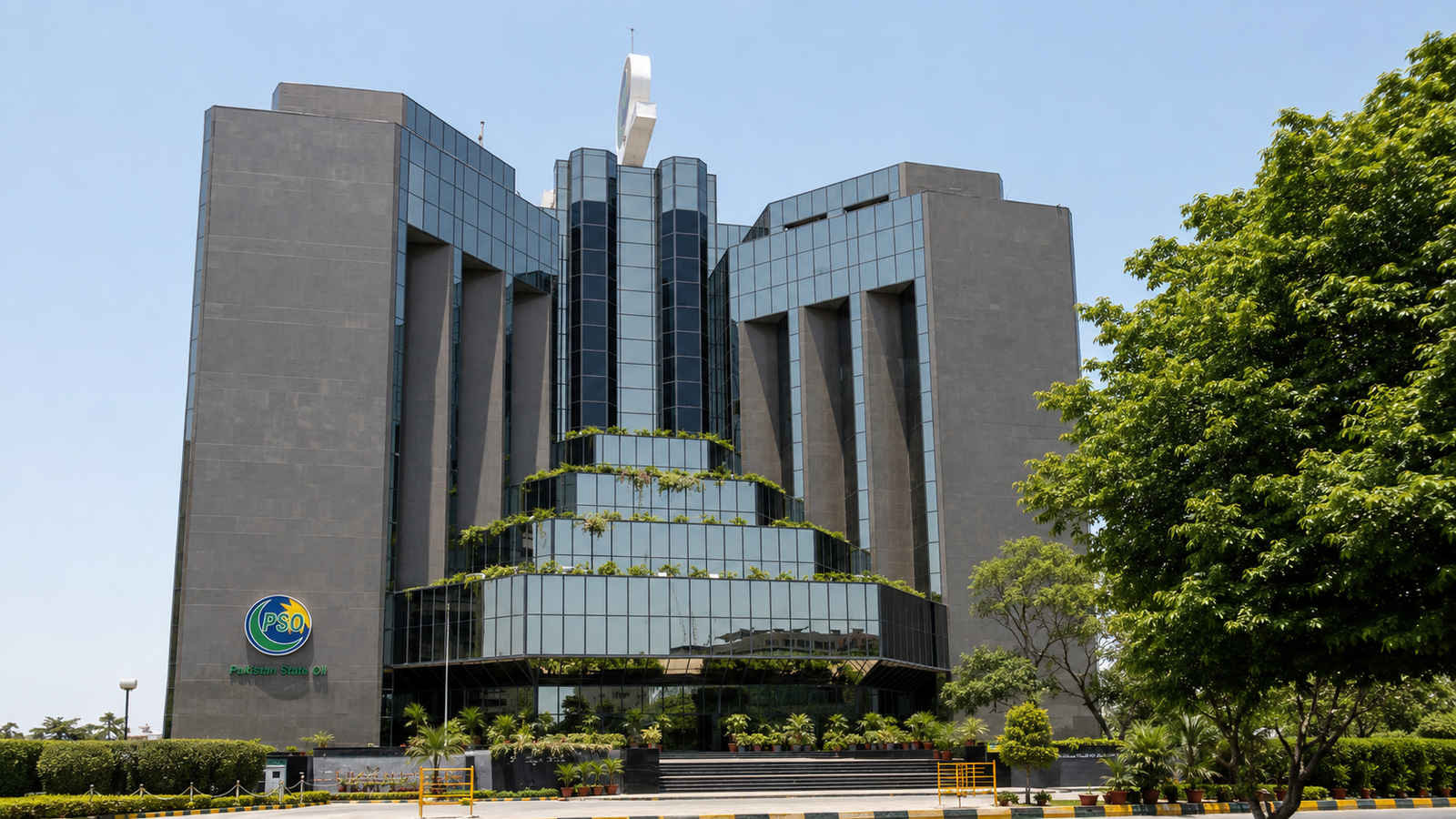
Pakistan State Oil (PSO) has been unable to recover nearly Rs 704 billion in payments from the gas and power sectors, placing the country’s largest state owned fuel supplier under severe financial pressure.
According to available figures, Sui Northern Gas Pipelines Limited owed PSO approximately Rs 536 billion as of July 23, 2026, while nearly Rs 168 billion remained outstanding against the power sector.
The delayed recovery of these payments may make it difficult for PSO to purchase imported liquefied natural gas and other fuels, as well as make timely payments to local refineries and international suppliers.
Outstanding dues refer to payments that organisations have not yet made after receiving gas, fuel or other energy products. Continued delays may create difficulties for the energy supplier in meeting its daily expenses and purchasing additional fuel.
Most organisations in the energy sector are closely connected. One company purchases fuel from a local refinery or an international supplier and provides it to power plants and gas companies. When one organisation fails to make a payment, the financial impact spreads across the entire supply chain.
Experts say the growing outstanding payments may also affect the timely purchase of imported liquefied natural gas, commonly known as LNG. LNG imports require foreign currency and advance financial arrangements. Failure to recover payments may therefore create difficulties in meeting import commitments and making payments to overseas suppliers.
The purchase of petroleum products from local refineries and fuel for electricity generation may also be affected. Energy companies without sufficient funds may be unable to pay suppliers on time, increasing the risk of delays or shortages in fuel supplies.
Pakistan’s energy sector is already struggling with circular debt. Circular debt develops when one organisation’s failure to make a payment prevents another organisation from paying its own suppliers. This creates a continuing chain of unpaid bills and financial obligations across the energy system.
If gas and power sector organisations fail to make timely payments, the effects may eventually reach ordinary consumers. Possible consequences include pressure on electricity and gas supplies, higher fuel prices and an increased need for government subsidies or financial assistance.
Financial stability in the energy sector requires a clear system for recovering outstanding payments, timely settlements between organisations and effective measures to prevent further growth in circular debt.
Published: July 27, 2026 - 10:35 AM
Sui Northern and Power Sector Owe PSO Rs 704 Billion, Raising Fuel Supply Concerns
سوئی ناردرن اور پاور سیکٹر پر پی ایس او کے 704 ارب روپے واجب الادا، ایندھن کی سپلائی متاثر ہونے کا خدشہ
▫️Sui Northern owes Rs 536 billion while Rs 168 billion remains outstanding against the power sector
Islamabad | ReNews PakistanPakistan State Oil (PSO) has been unable to recover nearly Rs 704 billion in payments from the gas and power sectors, placing the country’s largest state owned fuel supplier under severe financial pressure.
































