Islamabad | ReNews Pakistan
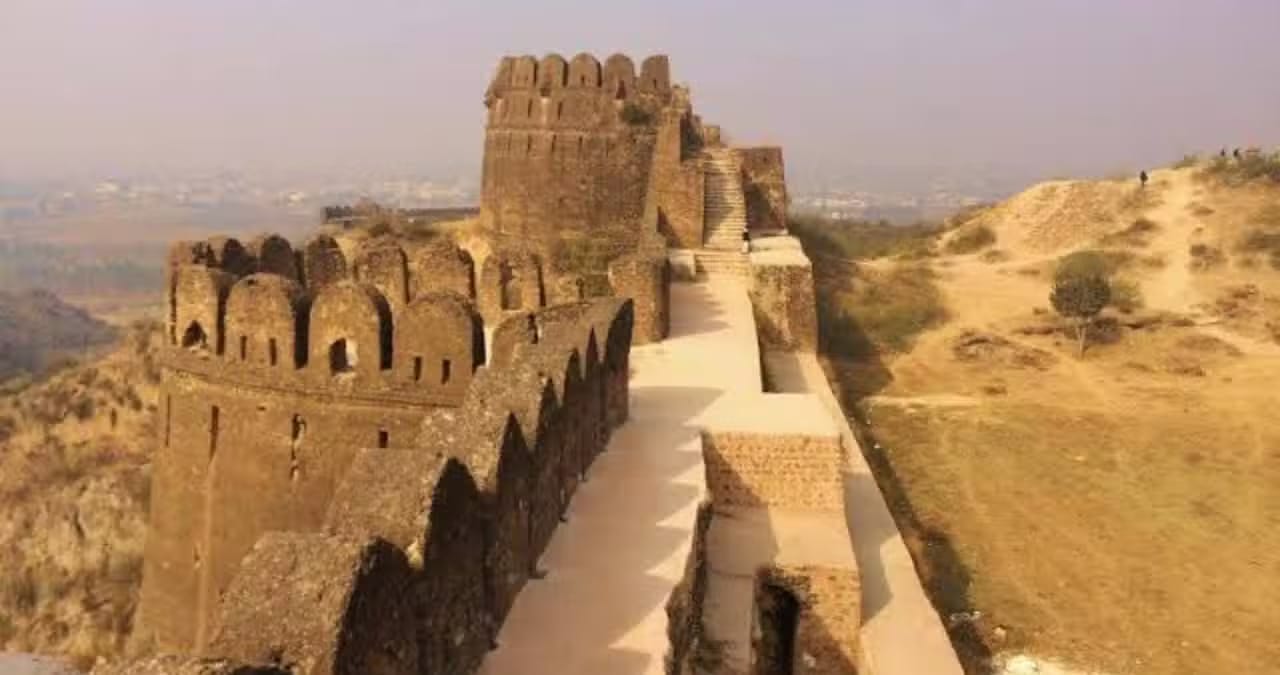
UNESCO has raised serious concerns over ongoing restoration work at the historic Rohtas Fort, warning that certain architectural interventions may compromise the monument's outstanding universal value and long-term structural authenticity.
The concerns emerged after a UNESCO inspection team visited the World Heritage Site earlier this week following reports alleging that portions of the restoration project did not conform to internationally recognized conservation standards. The visit was carried out in coordination with Pakistan's Ministry of National Heritage and Culture Division to assess whether the rehabilitation work undertaken by the Punjab Directorate General of Archaeology and Museums complies with UNESCO-approved conservation guidelines.
Rohtas Fort, located near Jhelum in Punjab, was inscribed on the UNESCO World Heritage List in 1997 for its exceptional example of early Muslim military architecture. Constructed during the reign of Sher Shah Suri in the 16th century, the massive fort is widely regarded as one of South Asia's most significant defensive structures, renowned for its monumental gateways, fortified walls, and sophisticated engineering techniques.
According to officials familiar with the inspection, UNESCO is concerned that some restoration measures may alter original architectural features, construction materials, and historical fabric in ways that diminish the monument's authenticity. The organization is expected to compile its findings for submission to the UNESCO World Heritage Centre, which oversees the conservation status of World Heritage properties worldwide.
Officials within the Ministry of National Heritage noted that this is the second time UNESCO has expressed reservations regarding conservation practices carried out on heritage sites in Punjab. Similar objections were previously raised over restoration and reconstruction work at the ancient Buddhist sites of Mohra Moradu and Sirkap in Taxila, where UNESCO urged Pakistan to reverse certain interventions and provide comprehensive technical documentation.
Conservation experts emphasize that restoration of heritage structures should prioritize preserving original construction techniques, materials, and architectural identity rather than introducing modern alterations that could affect historical authenticity. International conservation principles require that any intervention be carefully documented, scientifically justified, and as minimally invasive as possible.
The latest objections are also significant for Pakistan's broader heritage conservation agenda. Heritage officials acknowledge that repeated concerns over restoration standards could weaken the country's efforts to secure UNESCO World Heritage status for additional archaeological and architectural sites in the future.
As discussions continue between Pakistani authorities and UNESCO, the focus remains on ensuring that conservation work at Rohtas Fort protects one of the country's most important architectural landmarks while meeting globally accepted standards for the preservation of historic monuments.
Published: July 24, 2026 - 10:22 AM
UNESCO Questions Restoration Methods at Rohtas Fort, Raising Concerns Over Heritage Conservation Standards
روہتاس قلعہ کی بحالی کے طریقۂ کار پر یونیسکو کے تحفظات، تاریخی عمارت کے تحفظ کے عالمی معیارات پر سوالات اٹھ گئے
▫️Architectural interventions at the 16th century fortress come under scrutiny over fears they could compromise the site's historic integrity and original construction character
Islamabad | ReNews Pakistan UNESCO has raised serious concerns over ongoing restoration work at the historic Rohtas Fort, warning that certain architectural interventions may compromise the monument's outstanding universal value and long...