Lahore | ReNews National Desk
The Water and Power Development Authority (WAPDA) has signed a Rs 133.18 billion contract with the PowerChina–IKAN joint venture for hydro-mechanical works at the Diamer-Basha Dam Project. The agreement, signed on October 24, 2026, at WAPDA House in Lahore, covers the HM-1 package, which includes equipment and steel structures required to regulate water flows through the dam and its associated facilities.
Diamer-Basha Dam Chief Engineer and Project Director Arif Ali signed the agreement on behalf of WAPDA, while Ling Jianke represented the PowerChina–IKAN joint venture. Under the contract, the joint venture will manufacture, supply and install hydro-mechanical equipment, including water-control gates, hydraulic steel structures, steel lining, hoisting systems, pumping systems and associated electrical equipment.
According to WAPDA, the equipment will be installed at flushing tunnels on both banks of the dam, power intakes and outlets. These components will regulate water movement and support the operational systems of the project.
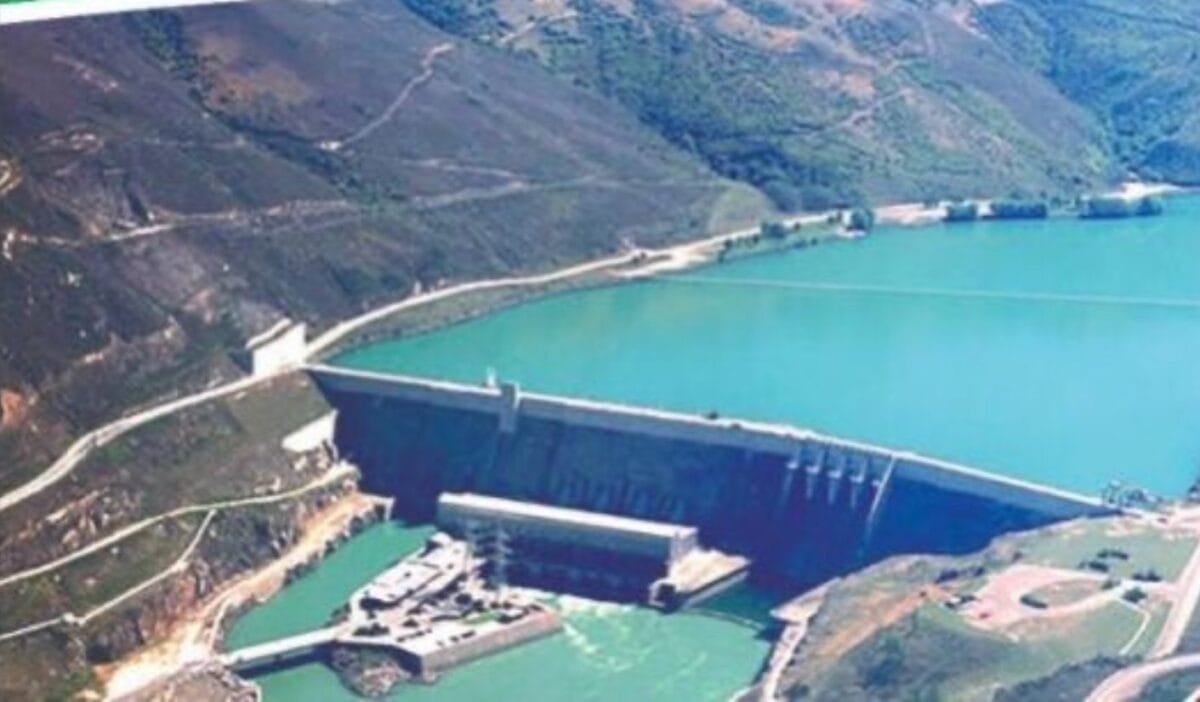
The signing ceremony was attended by WAPDA Chairman Lt Gen Muhammad Saeed (Retd), members responsible for finance, water and power, the chief executive officer of Diamer Basha Development Company, representatives of project consultants and a delegation led by the chairman of PowerChina International Group Limited. The Diamer-Basha Dam is under construction across the River Indus, approximately 40 kilometres downstream of Chilas. According to WAPDA, the dam will have a gross water-storage capacity of 8.1 million acre-feet and an installed electricity-generation capacity of 4,500 megawatts upon completion. The authority describes the project as a federal priority intended to strengthen Pakistan's water, food and energy security.
The HM-1 agreement places a major package of hydro-mechanical works under a confirmed contract, covering the manufacture, delivery and installation of equipment essential to the dam's operations. However, the signing does not establish a revised completion date for the overall project or confirm when electricity generation will begin. The contract represents a defined stage in the project's implementation, with equipment installation requiring coordination with the dam's ongoing civil construction works.