Washington | ReNews International Desk News
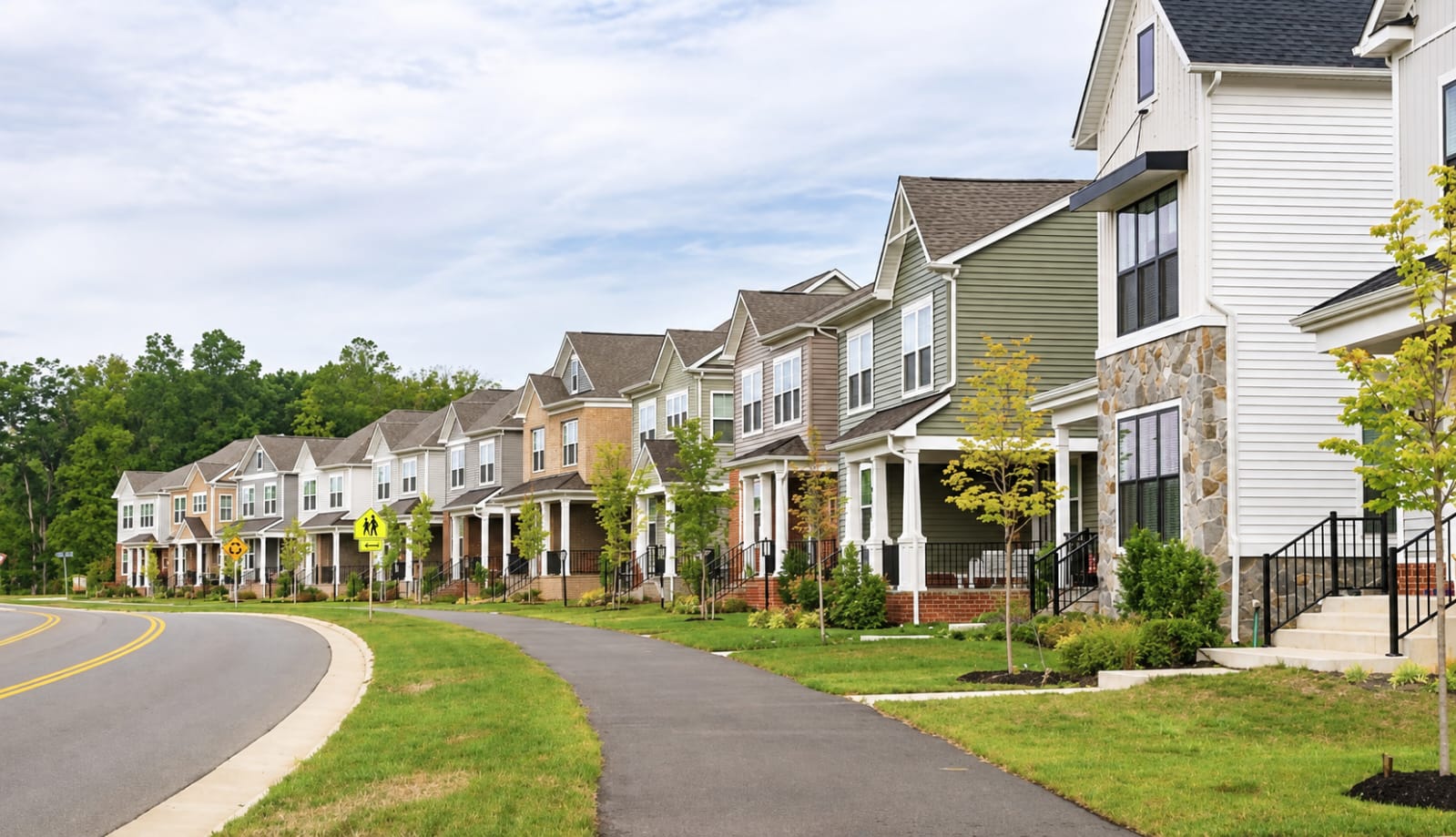
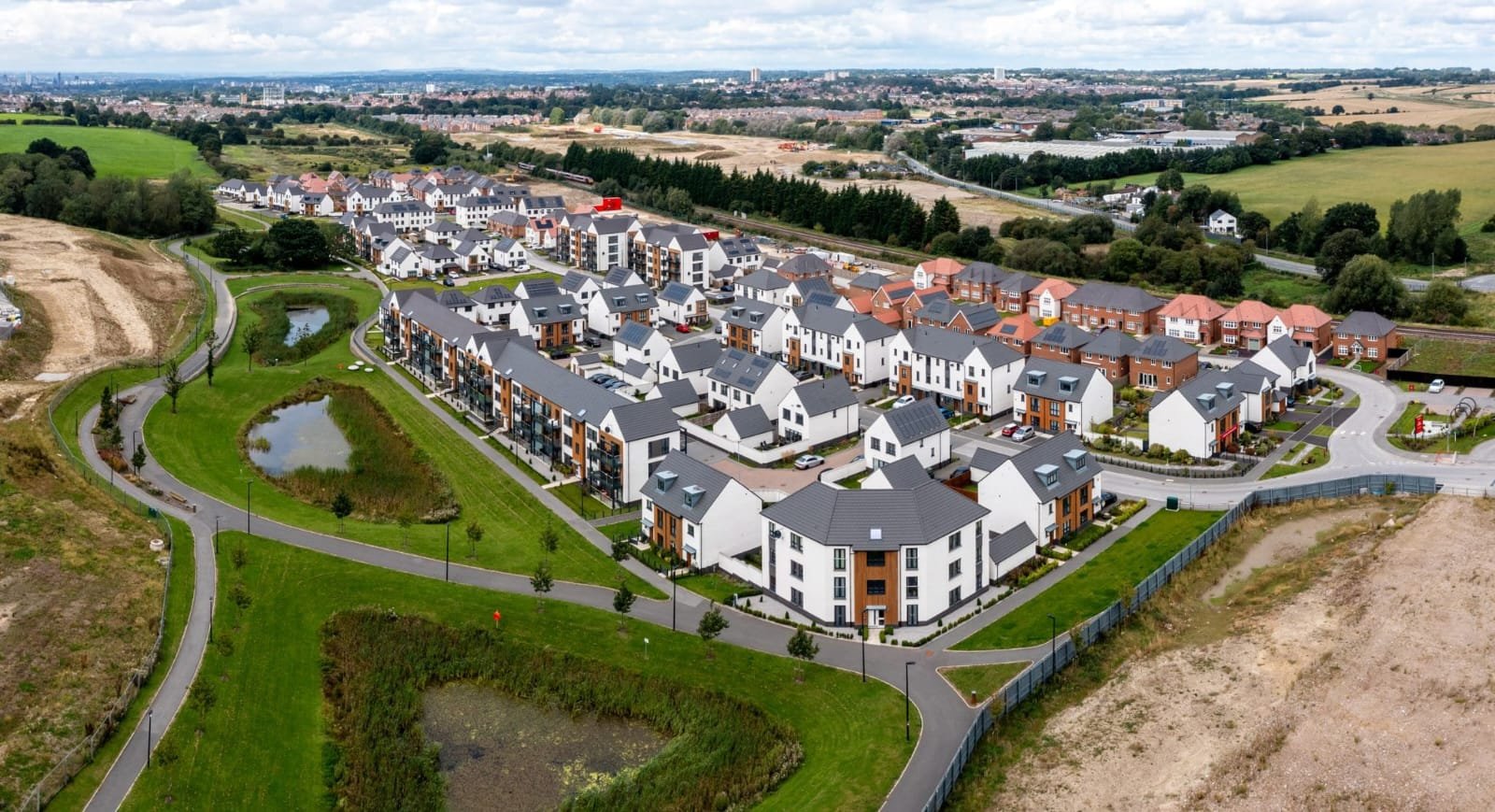
Robots and automation are beginning to play a growing role in America’s effort to build more homes as the construction industry struggles with a severe shortage of skilled workers, but experts say the biggest productivity gains are not yet coming from humanoid robots replacing people on building sites.
Instead, progress is being driven by specialized machines designed to perform narrowly defined tasks, prevent construction errors, improve coordination between trades and automate repetitive work. Builders are also increasingly exploring ways to shift parts of the construction process into controlled factory environments where automation can be deployed more effectively.
The United States is short roughly 1.2 million homes, according to the National Association of Home Builders’ 2026 Housing Outlook. Nearly 300,000 construction jobs remained vacant at the end of 2025, while the industry needs to attract approximately 740,000 workers every year to meet growth requirements and replace workers who retire or leave the sector.
The labor shortage is adding to a long standing productivity challenge in residential construction. According to NAHB Chief Economist Robert Dietz, productivity in the sector has increased by only about 16 percent since 1993, compared with gains of more than 50 percent across the broader US economy.
The shortage of skilled workers alone costs homebuilders an estimated $11 billion annually through higher costs and lost production, Dietz said. It also adds roughly two months to the average construction timeline.
Despite growing interest in robotics, experts caution that the technology is not yet transforming housing construction on a scale large enough to significantly ease the national shortage.
Dietz said it remains too early to conclude that robotics is already delivering major industry wide productivity improvements. America’s housing supply problem is also shaped by other constraints, including regulatory costs, land availability, supply chains, financing and the overall cost of development.
So far, the most practical gains from robotics have come from machines built to handle specific tasks rather than humanoid robots capable of replacing construction workers across an entire project.
Automation is proving particularly useful for repetitive activities, reducing mistakes and helping different construction trades coordinate their work. At the same time, moving more construction activity into factories can create a predictable environment where automated systems can operate more efficiently.
Tessa Lau, founder of Dusty Robotics, said factories are comparatively easier to automate because machines can repeatedly perform the same task in a fixed environment. Construction sites present a fundamentally different challenge because the physical environment around the robot is constantly changing as the building takes shape.
Patrick Murphy, Chief Investment Officer of Florida based Coastal Construction, highlighted another obstacle to widespread automation: the lack of uniformity between construction projects.
Each development can involve different architectural designs, soil conditions, subcontractors, building materials and owner requirements. Those variations make it difficult to create robots that can repeatedly perform the same work across a wide range of building sites.
Industry experts believe robotics can already deliver meaningful productivity gains on individual projects, but those improvements remain too narrow and limited in scale to materially reduce America’s housing shortage.
For now, the future of construction appears more likely to involve specialized robots working alongside human crews and greater use of automated factories rather than armies of humanoid machines independently building American homes.

Published: September 14, 2026 - 2:37 PM
Construction Robots Join Fight Against US Housing Shortage
امریکا میں گھروں کی قلت سے نمٹنے کیلئے تعمیراتی روبوٹس میدان میں آ گئے
▫️America faces a shortage of roughly 1.2 million homes as builders turn to specialized robots, automation and factory based construction amid a persistent skilled labor gap
Washington | ReNews International Desk NewsRobots and automation are beginning to play a growing role in America’s effort to build more homes as the construction industry struggles with a severe shortage of skilled workers, but experts s...