New York | ReNews International Desk News
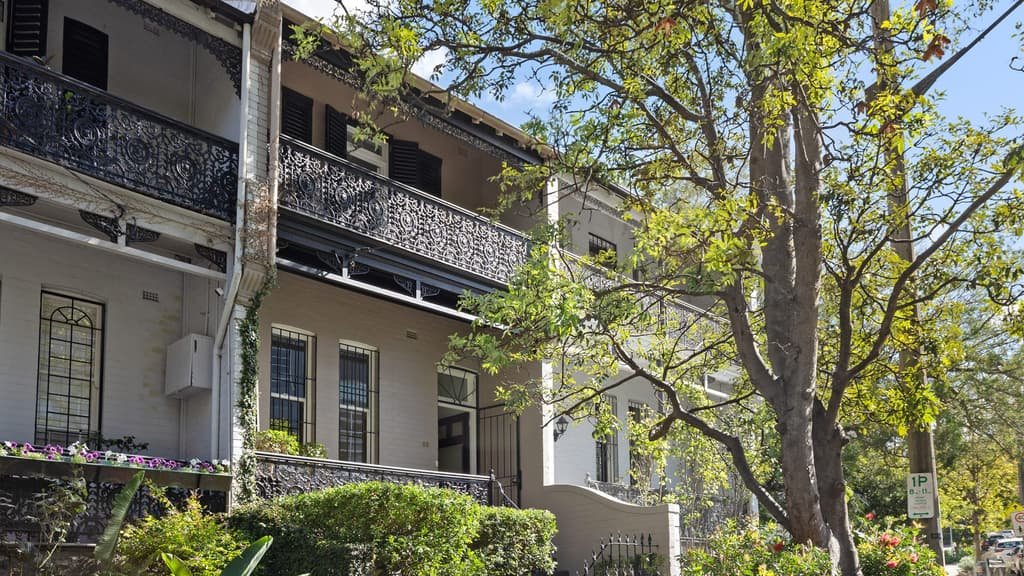
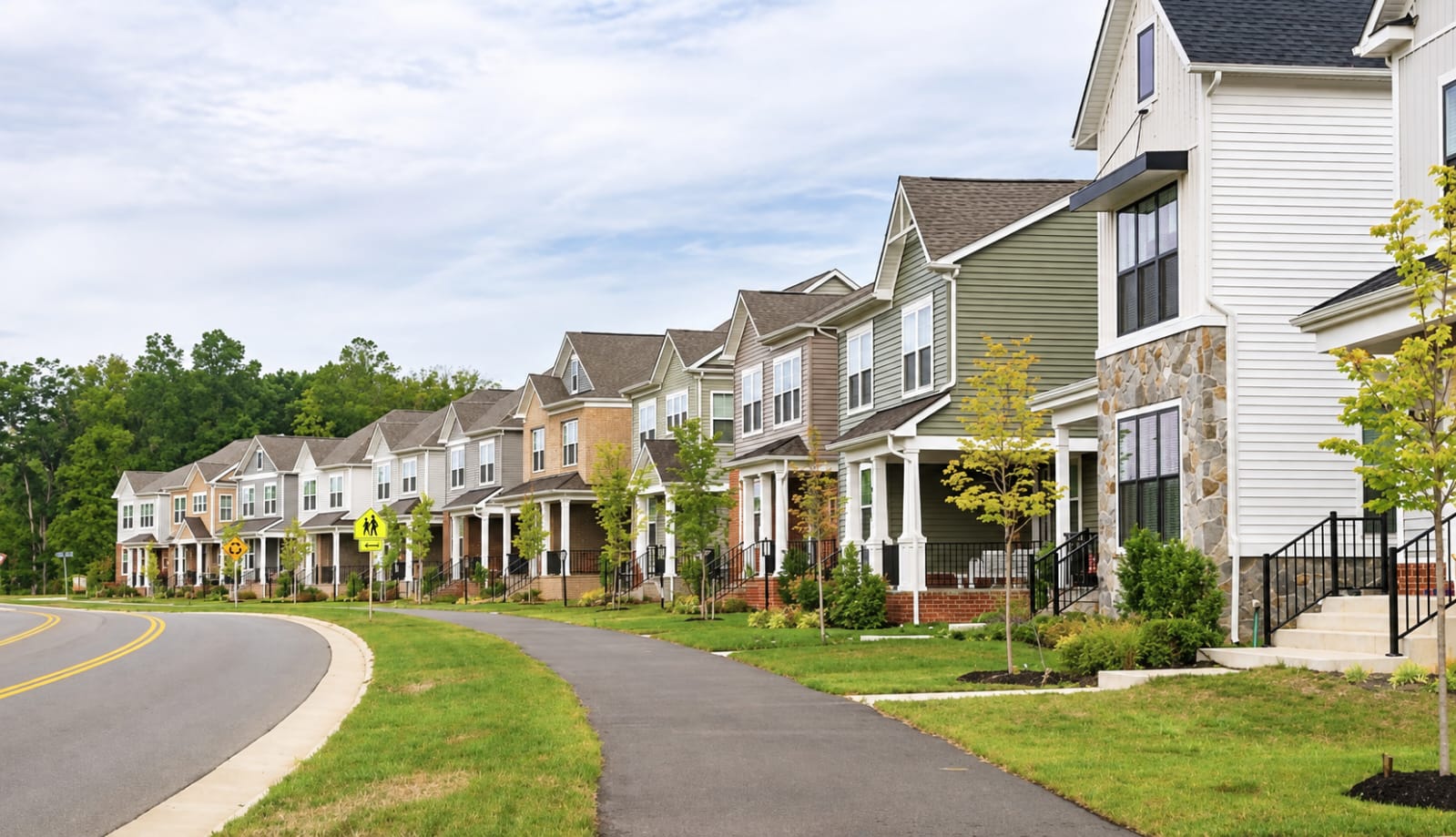
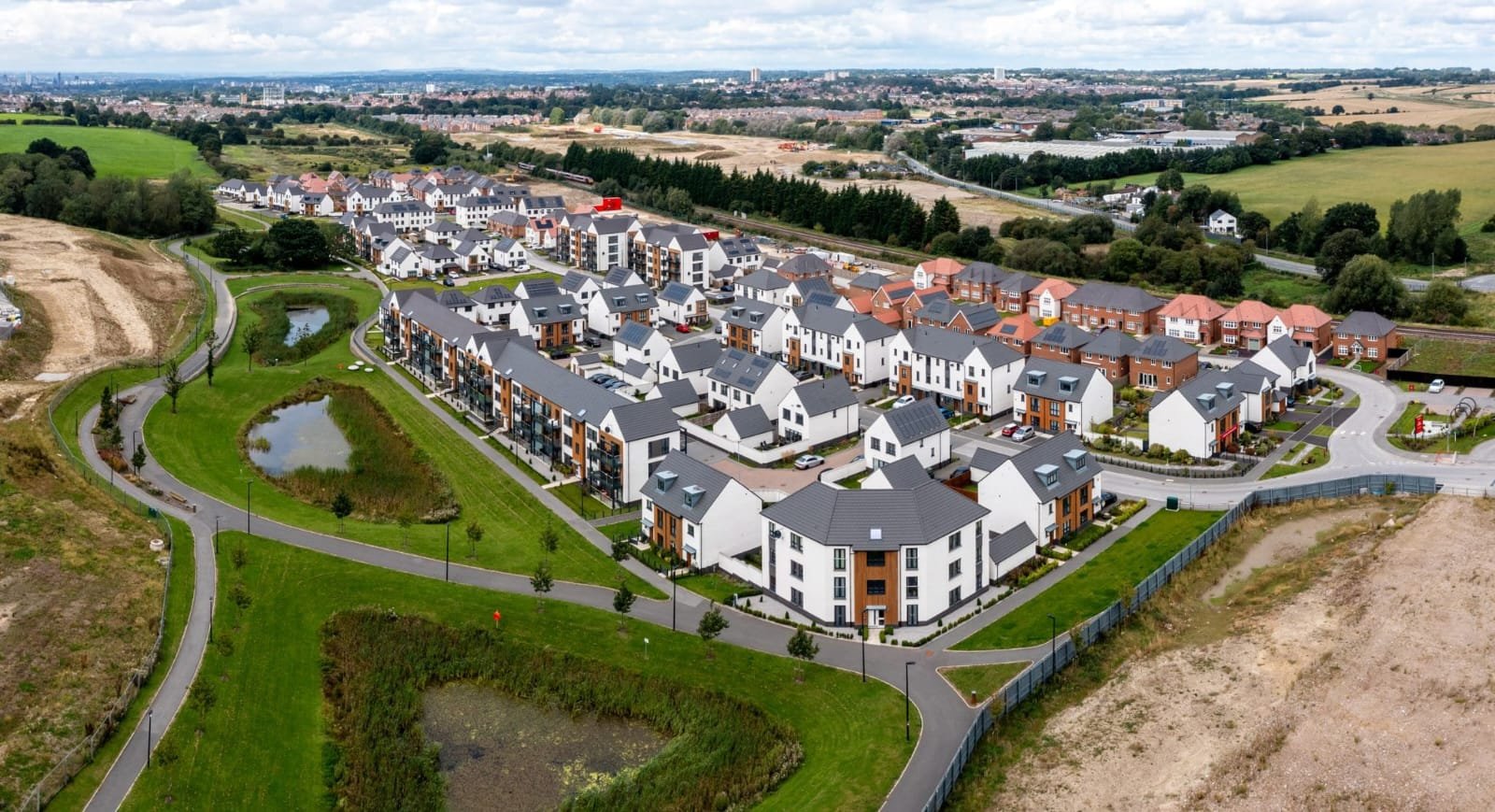
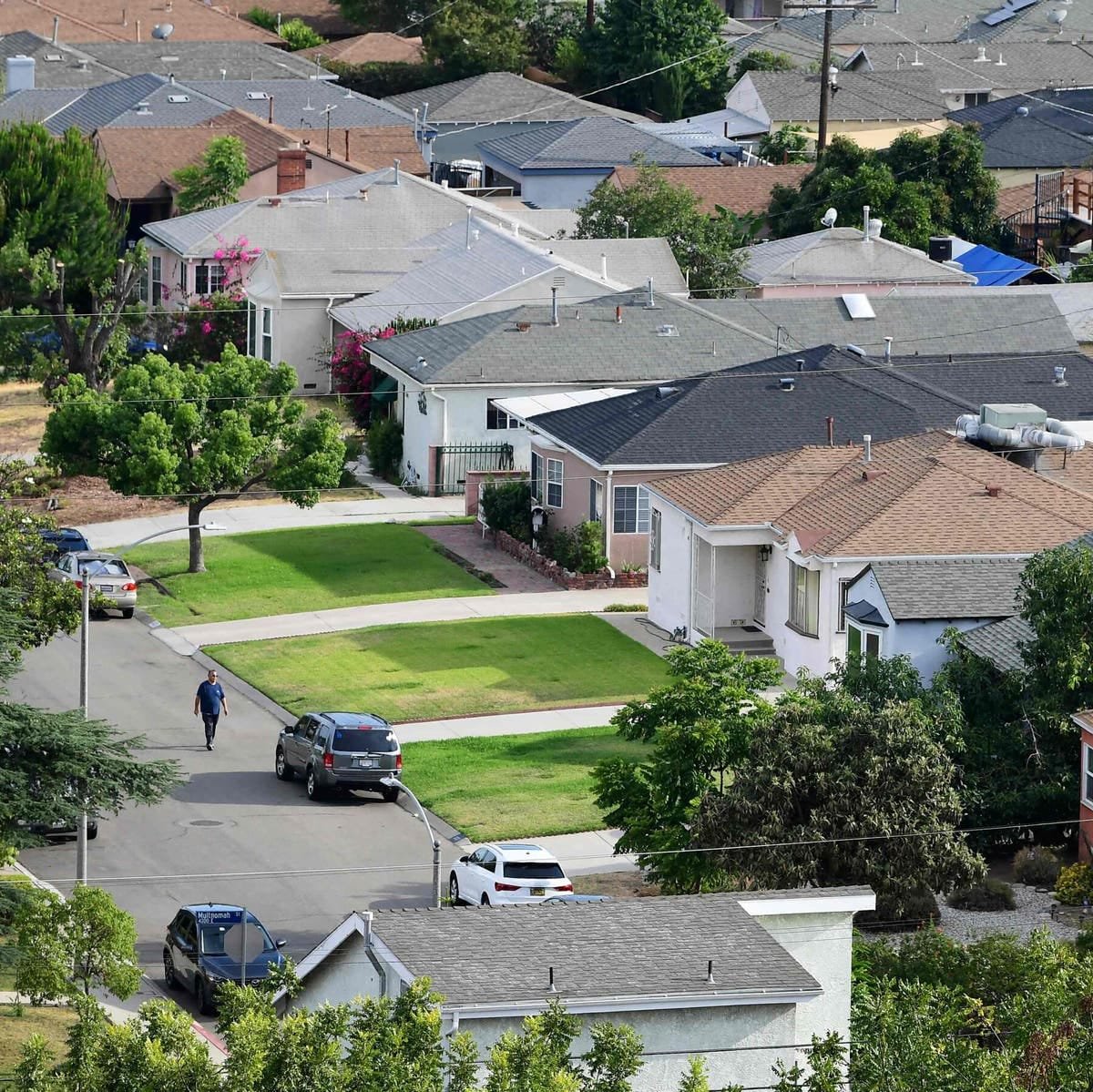
Home prices are coming under increasing pressure across the United States as the housing market enters a late-summer slowdown, with several major metropolitan areas recording significant year-over-year declines in asking prices.
According to the latest housing market analysis published by Realtor.com on September 5, 2026, the nationwide median list price per square foot fell for the 10th consecutive month in August, highlighting a broader correction in the US residential property market.
The decline has been driven by a combination of elevated mortgage rates, changing local supply and demand conditions and a growing willingness among sellers to adopt more realistic pricing strategies. While asking prices are still high in many parts of the country, the latest data indicates that the rapid price growth witnessed during the COVID-19 pandemic era is losing momentum in a number of major housing markets.
Nationwide, the median list price per square foot declined 1.8 percent year over year in August. The measure is considered useful for comparing housing prices because it adjusts for differences in the size of homes available for sale.
The broader regional figures also show that price pressures are not evenly distributed across the country. Median list prices declined year over year in three of the four major US regions. The Northeast recorded a 3.6 percent decline, followed by a 2.6 percent decrease in the South and a 2.1 percent decline in the West. Prices in the Midwest remained broadly unchanged.
At the metropolitan level, the slowdown was even more widespread. The median list price per square foot declined year over year in 36 of the 50 largest US metropolitan areas during August.
The trend represents an important shift for sellers, particularly in markets that experienced extraordinary price increases during the pandemic. Low mortgage rates, strong demand and migration toward certain cities and suburbs had previously pushed property prices sharply higher. However, affordability pressures and higher borrowing costs have subsequently weakened buyer demand.
High mortgage rates remain one of the biggest challenges for prospective homebuyers. Higher financing costs have reduced purchasing power and made buyers more cautious, forcing sellers in some markets to reconsider asking prices and compete more aggressively for available demand.
The changing balance between housing supply and demand is also contributing to the correction. As more homes remain on the market for longer periods, sellers are increasingly adjusting prices rather than relying on the rapid appreciation seen in previous years.
The latest figures suggest that the US housing market is moving toward a more balanced environment in which sellers have less ability to dictate prices and buyers have greater negotiating power. However, the extent of the correction varies considerably from one metropolitan area to another.
Markets that experienced particularly strong price appreciation during the pandemic are now among those facing some of the deepest reductions in price per square foot. The trend indicates that parts of the country may be undergoing a normalization following several years of unusually rapid housing inflation.
Despite the widespread declines, the August figures also show that the pace of price reductions has slowed compared with previous months. This could indicate that the market is gradually moving toward a new equilibrium rather than entering a uniform nationwide housing downturn.
For property investors and homeowners, the continuing decline in price per square foot remains an important indicator to watch. If mortgage rates remain elevated and housing supply continues to expand, further adjustments could occur in markets where prices have remained significantly above pre-pandemic levels.
The latest data therefore points to a changing US real estate landscape: the era of aggressive seller pricing is weakening, while affordability, local demand and realistic valuations are becoming increasingly important factors in determining property prices.
Published: September 7, 2026 - 12:29 PM
Home Prices Fall Fastest in Major US Cities as Housing Market Cools
امریکی ہاؤسنگ مارکیٹ میں بڑی تبدیلی، 36 بڑے شہروں میں گھروں کی قیمتیں گر گئیں
▫️36 of the top 50 US metropolitan areas record annual declines in median list price per square foot, with pandemic-era boom markets facing some of the sharpest corrections
New York | ReNews International Desk NewsHome prices are coming under increasing pressure across the United States as the housing market enters a late-summer slowdown, with several major metropolitan areas recording significant year-over...