Hong Kong | ReNews Global Desk
The Hong Kong government has announced sweeping reforms to the building maintenance and construction sectors following the release of an independent inquiry report into a deadly residential fire that killed 168 people.The proposed measures include criminalising bid-rigging in building renovation contracts, with penalties of up to 10 years in prison and fines of HK$10 million.The independent committee's report, released on October 29, 2026, identified serious deficiencies in construction supervision, fire safety compliance, contractor oversight and the performance of several government departments.
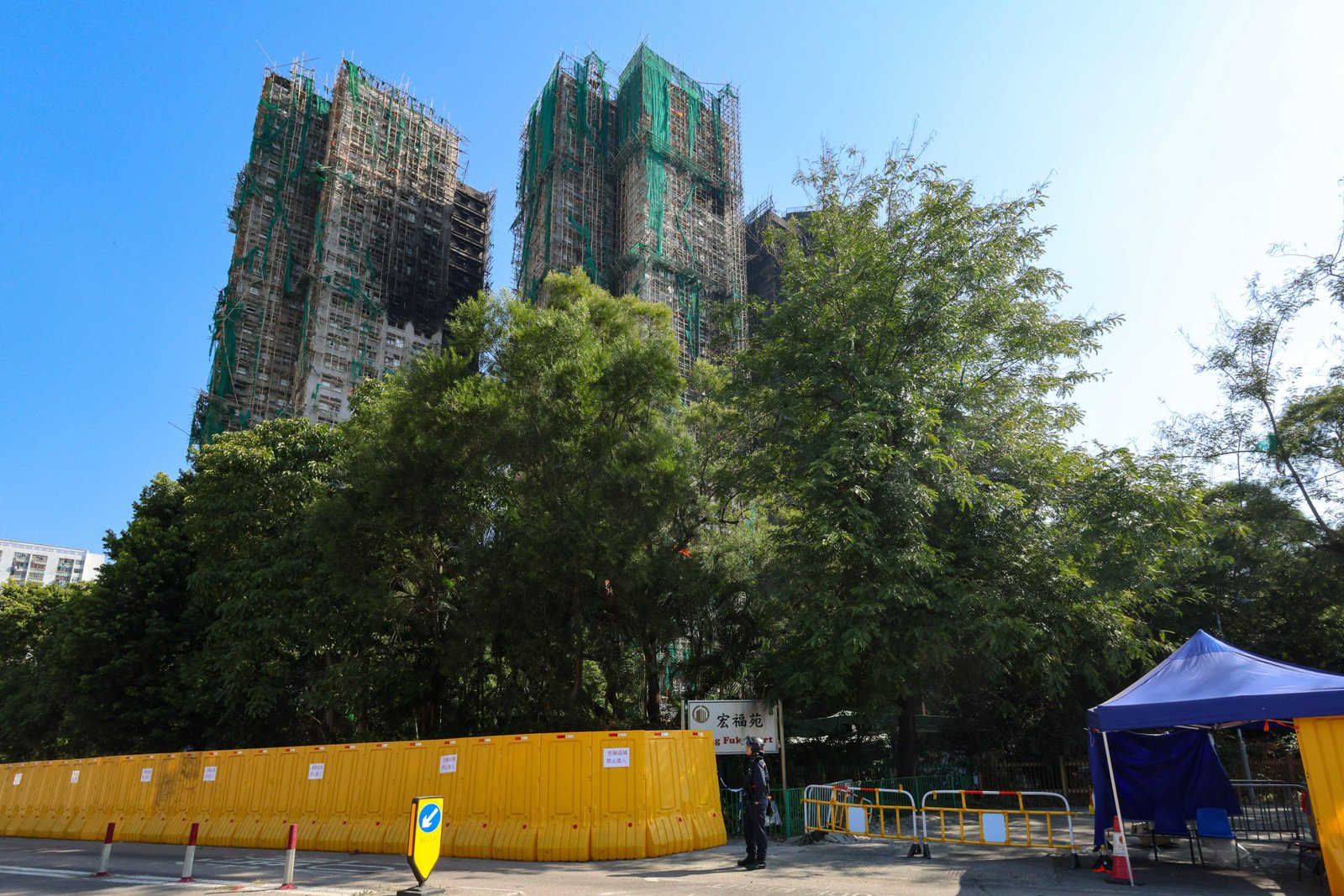
The investigation followed the November 26, 2025 fire at Wang Fuk Court, a residential estate in Hong Kong's Tai Po district. The blaze spread through seven residential towers undergoing major renovation work, killing 168 people and displacing thousands of residents.According to the inquiry, the fire was most likely triggered by a smouldering source, possibly a cigarette. However, combustible construction materials, inadequate safety precautions and failures in renovation supervision contributed to the rapid spread of the flames.Investigators identified serious shortcomings involving external scaffolding nets, flammable foam boards, fire safety arrangements and the supervision of renovation activities.
The inquiry raised major concerns about the conduct of Prestige Construction & Engineering, the main renovation contractor, and Will Power Architects, the project's consulting firm. The committee found that the companies had failed to adequately address safety risks and respond effectively to complaints raised by residents before the disaster. The report also highlighted regulatory failures across four government bodies: the Housing Bureau's Independent Checking Unit, the Buildings Department, the Fire Services Department and the Labour Department.Following the release of the findings, Hong Kong Chief Executive John Lee issued a public apology and announced a comprehensive programme of reforms aimed at strengthening building safety and regulatory accountability.
Housing Secretary Winnie Ho resigned in the wake of the inquiry, accepting political responsibility for shortcomings in the oversight system.Under the proposed legal framework, collusive tendering and bid-rigging in building maintenance and renovation projects would become specific criminal offences. The government plans to amend legislation, including the Competition Ordinance and the Organized and Serious Crimes Ordinance. The proposed maximum penalties include imprisonment of up to 10 years and a fine of HK$10 million, with alternative penalty calculations linked to unlawful gains or business turnover. Authorities also plan to establish a joint task force involving the Hong Kong Police Force, the Independent Commission Against Corruption and the Competition Commission to investigate organised bid-rigging and related corruption.
The proposed enforcement framework would strengthen investigative powers, including provisions relating to questioning suspects, freezing assets and recovering proceeds linked to criminal activity. In addition, the government plans to establish a Building Maintenance Support and Services Council to assist property owners in selecting contractors, managing renovation procedures and obtaining professional guidance during building maintenance projects. An initial allocation of HK$300 million has been reserved for establishing the council and supporting property owners who use its services. The proposed reforms also include a centralised information-sharing system covering building maintenance projects, regulatory violations and enforcement records to improve coordination among government departments.
Separately, Hong Kong's Buildings Department has initiated prosecutions involving 259 alleged offences against two companies and four individuals in connection with renovation work at Wang Fuk Court. The allegations include the use of defective or non-compliant construction materials and failures to properly supervise building maintenance activities. The government says the reform programme is intended to improve construction safety, strengthen the integrity of renovation contracts and restore public confidence in building maintenance regulation. However, the proposed new criminal penalties and legislative changes will require formal enactment before they become enforceable law.