Islamabad | ReNews Pakistan
The Supreme Court has ruled that mutations and other entries recorded in official revenue records carry a legal presumption of correctness and cannot be set aside merely on the basis of objections or unsubstantiated allegations.
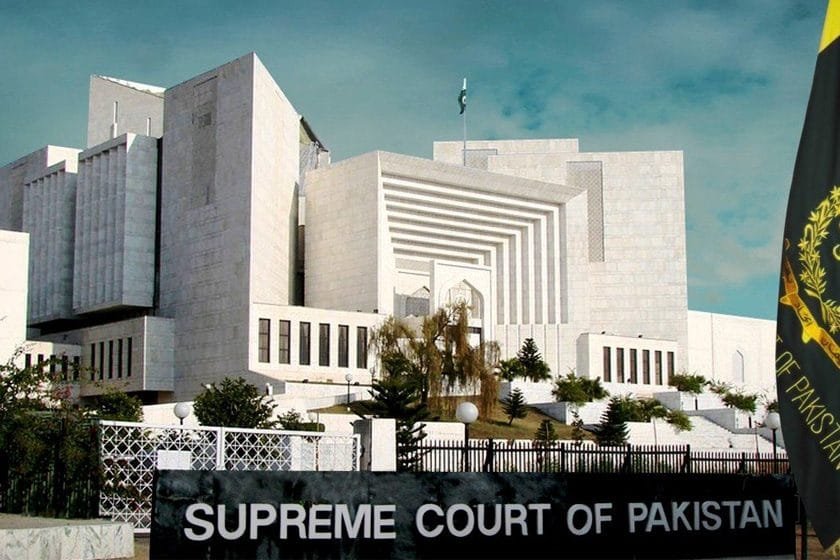
A three-member Supreme Court bench, headed by Chief Justice Yahya Afridi, dismissed a civil petition filed by Abdul Latif and others concerning a land ownership dispute in Balochistan, refusing to grant leave to appeal.
In a detailed judgment authored by Justice Aqeel Ahmad Abbasi, the court held that under Section 52 of the West Pakistan Land Revenue Act, 1967, mutations and other entries maintained in official revenue records carry a legal presumption of truth. The party challenging such an entry must produce solid and credible evidence to rebut this presumption.
The court clarified that merely objecting to a gift (hiba) or a mutation recorded in the revenue record is not sufficient. If a party alleges that a mutation was entered through fraud, forgery or an error in the record, it must substantiate the claim with reliable and convincing evidence.
According to the detailed judgment, Mutation No. 448 was recorded in favour of Abdul Jabbar on October 30, 1998. However, neither the petitioners nor the legal heirs of the previous owner had challenged the mutation before the revenue authorities or any court.
The Supreme Court observed that a belated objection or an unsubstantiated claim is insufficient to invalidate an old revenue entry. The court therefore dismissed the civil petition filed by the petitioners.
Published: September 26, 2026 - 11:02 AM
Revenue Record Mutation Cannot Be Challenged Without Solid Evidence: Supreme Court
ٹھوس شواہد کے بغیر ریونیو ریکارڈ میں درج انتقال چیلنج نہیں کیا جا سکتا: سپریم کورٹ
▫️ Reliable evidence required to prove fraud, forgery or record error; petition in Balochistan land dispute dismissed
Islamabad | ReNews PakistanThe Supreme Court has ruled that mutations and other entries recorded in official revenue records carry a legal presumption of correctness and cannot be set aside merely on the basis of objections or unsubstant...