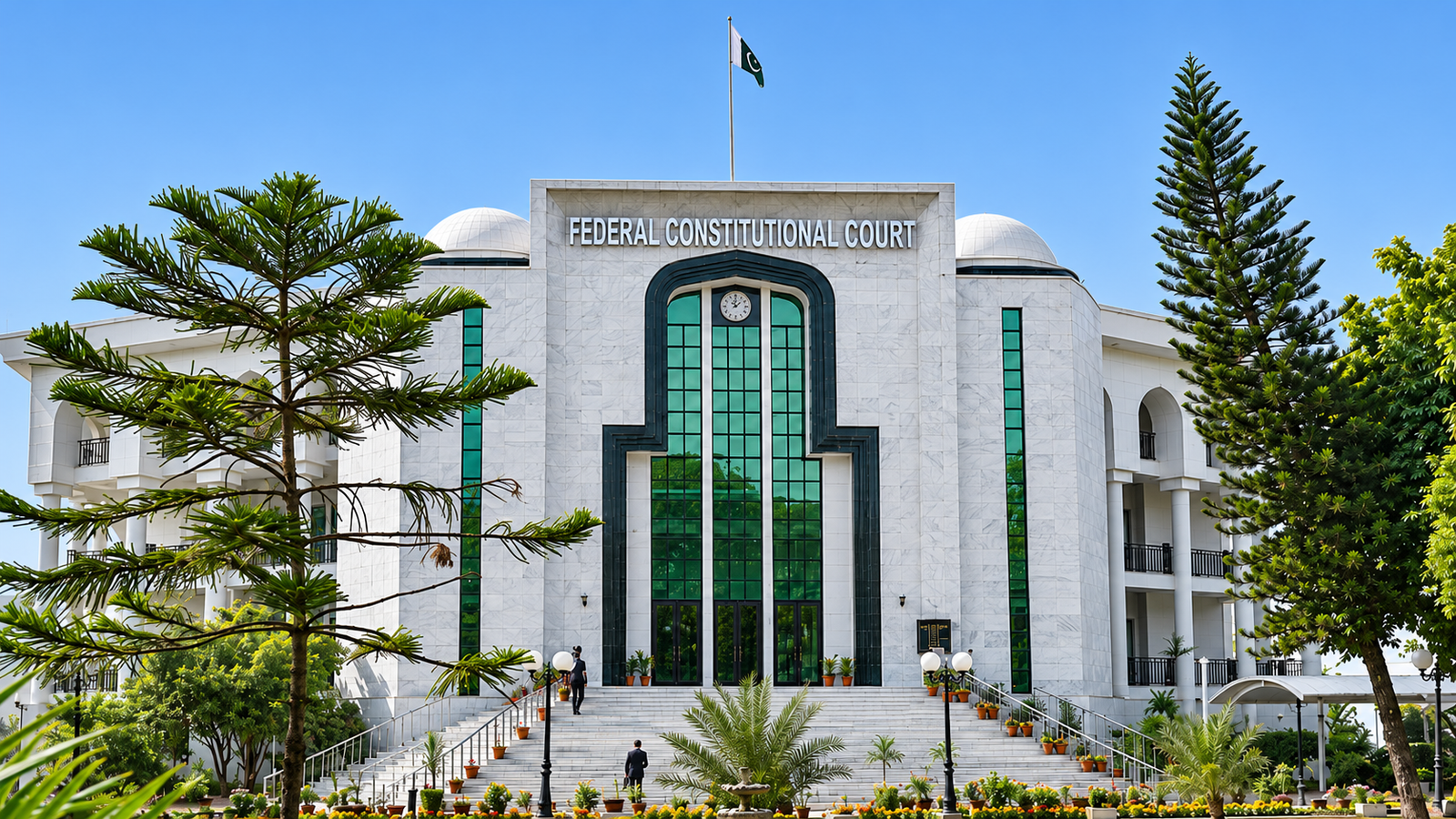
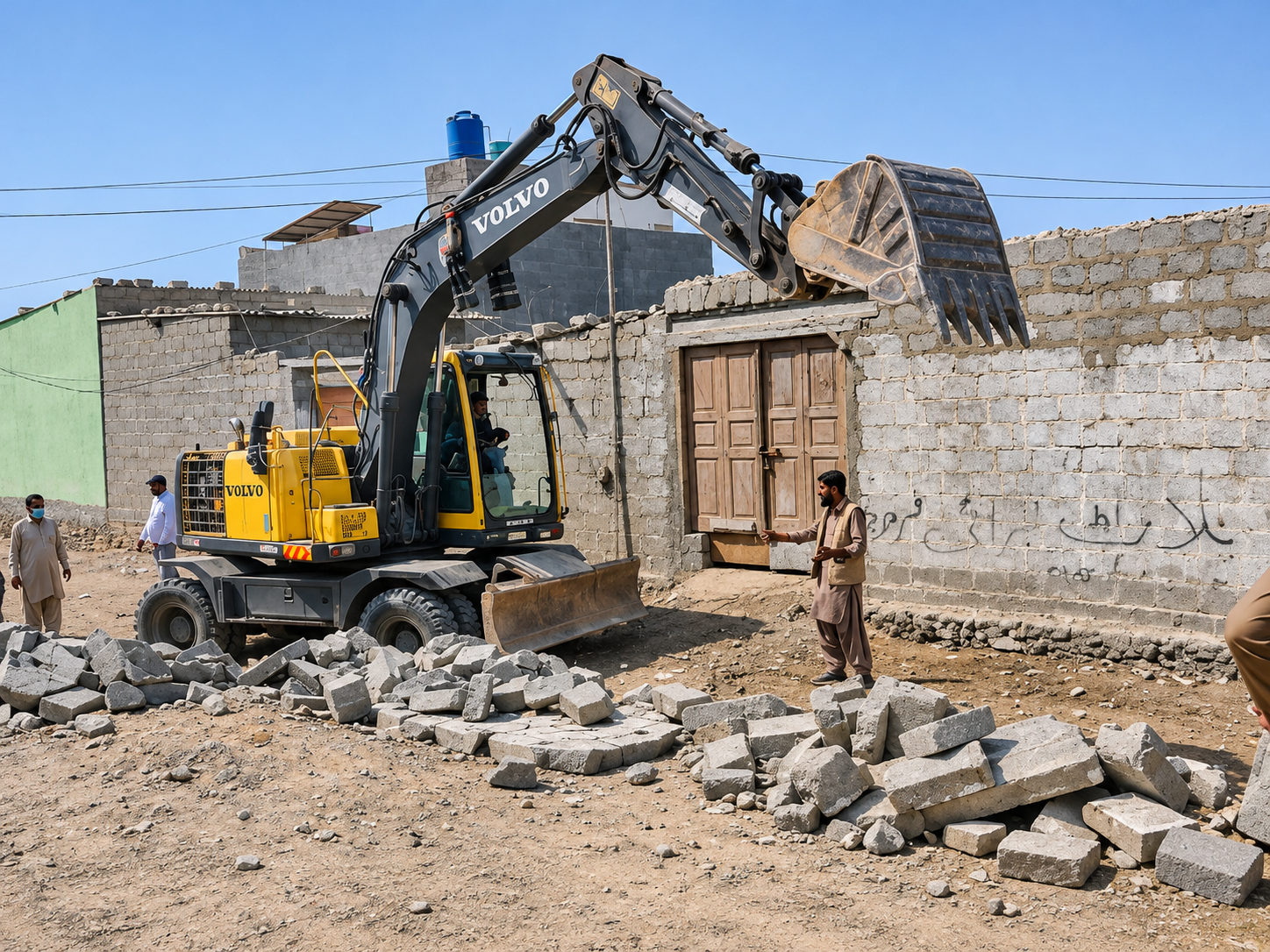
The Sindh High Court (SHC) has ruled that permission to commercialise a residential plot does not, by itself, authorise construction or structural changes without approval from the relevant authority.
A two-member constitutional bench, headed by Justice Riazat Ali Sahar, directed the Sindh Building Control Authority (SBCA) to determine whether construction on a 1,000-square-yard plot in Block D, North Nazimabad, complied with the law. The authority must examine the property’s building plan, any later approvals, the no-objection certificate (NOC) for change of land use and any revised or amended plans. It must issue a reasoned order within 60 days and take lawful action if unauthorised construction is established.
The petition was filed in 2017 by a man who alleged that his elder brother had carried out additional construction, including two showrooms, in violation of the approved plan. He argued that the NOC for commercialisation was conditional and did not permit construction that departed from the sanctioned building plan. In its comments, the SBCA said the property’s original plan, approved in 1974, was for a ground-plus-one-floor residential bungalow. Permission to operate a restaurant was granted in 1998, while the City District Government Karachi issued an NOC for commercialisation or change of land use in 2006.
The authority said additions and alterations began in 2017, prompting it to issue a show-cause notice to the owner. The owner responded that the property had already been permitted for commercial use. In his counter-affidavit, he also said the petitioner was his younger brother and that the petition stemmed from disputes over the restaurant business and a separate lawsuit concerning ownership and business interests. The bench noted that a court nazir inspected the property in 2018. The report described a ground-plus-one-storey building with shops on the ground floor and a restaurant, which was non-functional and in a dilapidated condition. The SBCA officials produced a proposed layout showing a residential bungalow, but no approved layout authorising commercial use or division of the plot into shops, the report stated.
The court referred to Section 6(1) of the Sindh Building Control Ordinance, 1979, which required approval of a building plan and the necessary NOC before construction. It also noted that Section 7-A empowered the competent authority to order the demolition of construction carried out in violation of Section 6(1), alongside other action permitted by law.
Citing Supreme Court rulings, the bench said the power to regularise deviations was limited and could not be used to validate violations that materially changed a proposed structure or harmed the rights and interests of others. It also highlighted the need to consider civic facilities, including water, electricity and sewerage, when reviewing the conversion of residential properties and approving construction.
The bench observed that the constitutional right to life under Article 9 extends beyond mere existence to include the conditions needed to live with dignity, including a healthy environment. Public authorities, it said, are required to enforce the law where unauthorised development affects civic or environmental rights.
The court added that the dispute over the brothers’ interests in the restaurant did not settle the separate question of whether construction had been carried out lawfully. The owner’s commercialisation NOC could not be treated as blanket approval for every structural change without examining its terms and the relevant building approvals.

Published: November 11, 2026 - 9:01 AM
SHC Says Commercialisation of Residential Plot Does Not Authorise Unapproved Construction
رہائشی پلاٹ کی کمرشلائزیشن غیر منظور شدہ تعمیرات کی اجازت نہیں دیتی، سندھ ہائی کورٹ
▫️ SBCA directed to examine the North Nazimabad property’s plans and approvals and issue a reasoned decision within 60 days
The Sindh High Court (SHC) has ruled that permission to commercialise a residential plot does not, by itself, authorise construction or structural changes without approval from the relevant authority.