ReNews Pakistan
← Back to home

Real Estate Insights

27 news articles

10 Years Since Panama Papers, Offshore Secrecy Infrastructure Still Remains

10 Years Since Panama Papers, Offshore Secrecy Infrastructure Still Remains

▫️ Muhammad Faisal Sulehria

Ten years have passed since the Panama Papers exposed the scale and complexity of the global offshore financial system, yet the basic infrastructure that enables financial secrecy and anonymous ownership has not been completely dismantled.

Ten years have passed since the Panama Papers exposed the scale and complexity of the global offshore financial system, yet the basic infrastructure that enables financial secrecy and anonymous ownership has not been completely dismantled. Over the past decade, however, governments and international institutions have introduced a range of reforms aimed at improving beneficial ownership transparency, tax information exchange and accountability within the financial system.

According to a 2026 review by Transparency International, the Panama Papers brought unprecedented attention to the mechanisms used to conceal the true ownership of companies, assets and financial structures. The revelations highlighted the role of anonymous shell companies, nominee directors and complex offshore arrangements in creating layers of legal and corporate ownership that can make it difficult to identify the individuals who ultimately control or benefit from assets.

The Panama Papers consisted of 11.5 million leaked documents containing information linked to offshore entities and financial networks across around 200 countries and territories. The scale of the leak made it one of the most significant disclosures of confidential financial information and transformed public understanding of how offshore structures operate across borders.

The consequences were not limited to financial institutions and corporate structures. The revelations also produced major political consequences in several countries. In Iceland, Prime Minister Sigmundur David Gunnlaugsson resigned following political pressure after information connected to the Panama Papers became public.

Pakistan also witnessed significant political and legal consequences. Issues emerging from the Panama Papers led to investigations and eventually reached the Supreme Court. In July 2017, the Supreme Court disqualified then Prime Minister Nawaz Sharif from holding office. The case became one of the most consequential political and legal developments in Pakistan following the global leak.

At the international level, the Panama Papers increased pressure on governments to strengthen systems designed to identify the real owners of companies. Transparency International says that countries including the United Kingdom moved to establish or strengthen registers containing information on beneficial ownership. The objective was to make it more difficult for individuals to conceal their control of companies behind nominee directors, corporate structures or other legal arrangements.

The European Union also moved to strengthen requirements relating to ownership transparency. At the same time, the G20 and the Organisation for Economic Co operation and Development, or OECD, continued efforts to improve tax transparency and the exchange of financial information between jurisdictions.

These measures were intended to reduce opportunities for tax evasion, money laundering and other forms of financial crime that can take advantage of differences between national legal systems. Greater cooperation between tax authorities and financial regulators has also become an important part of international efforts to identify assets and income held across borders.

The United States also introduced measures relating to corporate ownership and anti money laundering requirements. Such reforms sought to improve the availability of information about the individuals who ultimately own or control companies and to strengthen the ability of authorities to investigate financial crime.

Mossack Fonseca, the Panama based law firm at the centre of the Panama Papers, also became a symbol of the consequences of the revelations. Following international pressure and legal challenges, the firm closed in 2018. Its closure, however, did not mean the end of the offshore financial system. Similar structures continue to exist in different jurisdictions around the world.

Transparency International notes that a number of traditional offshore centres still provide legal and corporate structures that can make it possible to conceal beneficial ownership. Companies, trusts and other entities can still be organised through multiple jurisdictions, creating layers of ownership that may complicate efforts to identify the ultimate beneficiaries.

A decade after the Panama Papers, the central issue has therefore shifted from simply exposing hidden financial structures to ensuring that information about their real owners can be effectively accessed and used by authorities. The existence of a beneficial ownership register alone may not be sufficient if the information is incomplete, outdated or difficult for relevant agencies to obtain.

Transparency International has called for further improvements in access to beneficial ownership information, greater transparency concerning companies and trusts, stronger accountability for financial intermediaries, improved cross border legal cooperation and more effective mechanisms for recovering illicit assets.

The Panama Papers changed the global debate over financial secrecy by demonstrating the scale of the structures used to conceal ownership and move assets across jurisdictions. Over the past ten years, governments and international organisations have taken significant steps towards greater transparency. Yet the continued existence of offshore structures shows that the basic architecture of financial secrecy has not disappeared.

The challenge for the next decade will be to ensure that transparency rules work in practice rather than only on paper. Identifying the individuals who ultimately own or control assets, holding financial intermediaries accountable and enabling authorities to cooperate effectively across borders are likely to remain central issues in the global effort to make the financial system more transparent.
Punjab's Plan to Develop 120 Model Villages: A New Approach to Rural Infrastructure

Punjab's Plan to Develop 120 Model Villages: A New Approach to Rural Infrastructure

▫️ Muhammad Faisal Sulehria

The Punjab government's decision to approve a pilot programme for developing 120 model villages represents a significant policy initiative aimed at improving rural infrastructure, sanitation and basic public facilities.

World Habitat Day: Three Billion People Worldwide Deprived of Adequate Housing. Why?

World Habitat Day: Three Billion People Worldwide Deprived of Adequate Housing. Why?

▫️ Muhammad Faisal Sulehria

World Habitat Day 2026 has been observed against the backdrop of a deepening global housing crisis in which safe, adequate and affordable shelter remains beyond the reach of billions of people.

New Provinces or Stronger Local Government? Pakistan Must Fix Governance Before Redrawing Its Map

New Provinces or Stronger Local Government? Pakistan Must Fix Governance Before Redrawing Its Map

▫️Muhammad Faisal Sulehria

Smaller provinces may improve administrative access, but without meaningful political, financial and administrative devolution, Pakistan risks creating more centres of power rather than bringing government closer to citizensPakistan’s go...

World Bank Downgrades Pakistan’s Barrage Project Over Weak Institutional Performance

World Bank Downgrades Pakistan’s Barrage Project Over Weak Institutional Performance

▫️ Muhammad Faisal Sulehria

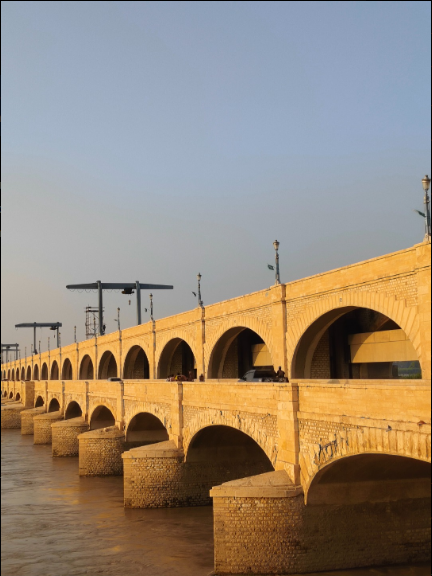
The $314.93 million Sindh Barrages Improvement Project has made substantial progress on physical rehabilitation and modernisation works at Guddu and Sukkur barrages. Yet the World Bank has downgraded the project’s development objective a...

Indus Waters Treaty : A Legal Boost for Pakistan’s Position and Growing Questions for India

Indus Waters Treaty : A Legal Boost for Pakistan’s Position and Growing Questions for India

▫️Muhammad Faisal Sulehria

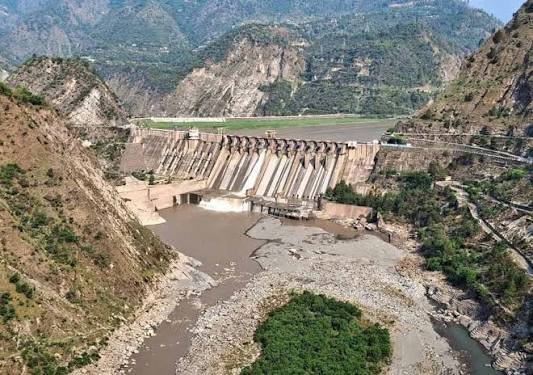
The Hague arbitration findings reinforce the treaty’s legal status and underline the importance of international agreements in managing water disputes between Pakistan and IndiaThe Indus Waters Treaty is far more than an agreement dividi...

Why Do We Still Prefer Thermal Power When Hydropower Is Cheaper and Available?

Why Do We Still Prefer Thermal Power When Hydropower Is Cheaper and Available?

▫️Muhammad Faisal Sulehria

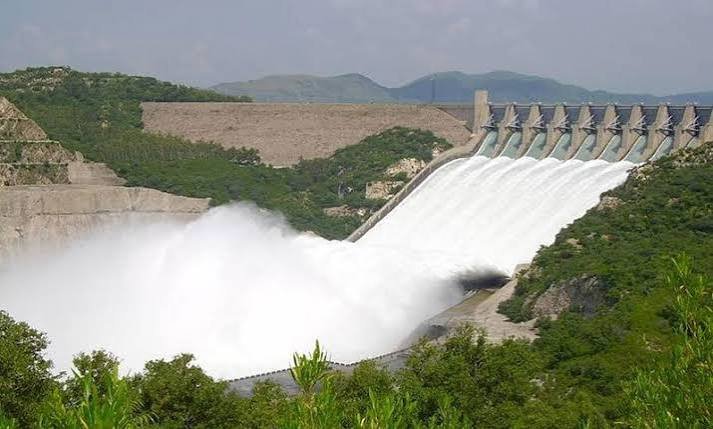
Pakistan’s power sector is facing a striking contradiction. On one side, hydropower generation has crossed 7,000 MW during the monsoon as higher river flows have improved water availability. On the other, Punjab is reportedly facing a po...

Solar Power Reaches 27% of Total Generation, Transforming the Traditional Infrastructure Model

Solar Power Reaches 27% of Total Generation, Transforming the Traditional Infrastructure Model

▫️Muhammad Faisal Sulehria

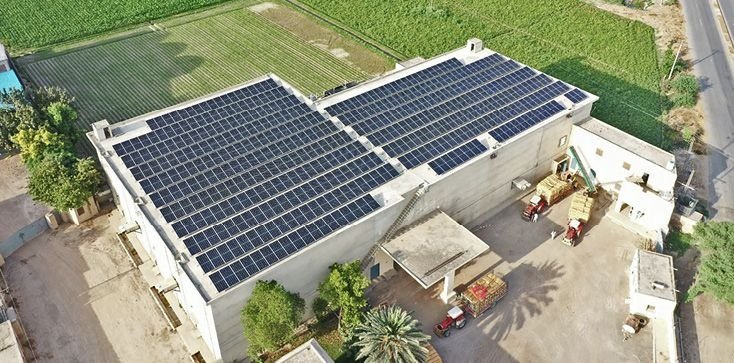
Pakistan’s rapidly expanding rooftop and distributed solar market is beginning to reshape not only the country’s energy system but also the economics of residential, commercial and industrial property. According to new analysis by the Pa...

Punjab’s Idle Public Assets: Can Government Property Become a New Source of Revenue and Development?

Punjab’s Idle Public Assets: Can Government Property Become a New Source of Revenue and Development?

▫️Muhammad Faisal Sulehria

Punjab’s decision to establish a dedicated authority for identifying, managing and generating value from underused public assets could represent an important development for both the province’s real estate sector and its public finances....

10 Years Since Panama Papers, Offshore Secrecy Infrastructure Still Remains

10 Years Since Panama Papers, Offshore Secrecy Infrastructure Still Remains

▫️ Muhammad Faisal Sulehria

Ten years have passed since the Panama Papers exposed the scale and complexity of the global offshore financial system, yet the basic infrastructure that enables financial secrecy and anonymous ownership has not been completely dismantled.


Ten years have passed since the Panama Papers exposed the scale and complexity of the global offshore financial system, yet the basic infrastructure that enables financial secrecy and anonymous ownership has not been completely dismantled. Over the past decade, however, governments and international institutions have introduced a range of reforms aimed at improving beneficial ownership transparency, tax information exchange and accountability within the financial system.

According to a 2026 review by Transparency International, the Panama Papers brought unprecedented attention to the mechanisms used to conceal the true ownership of companies, assets and financial structures. The revelations highlighted the role of anonymous shell companies, nominee directors and complex offshore arrangements in creating layers of legal and corporate ownership that can make it difficult to identify the individuals who ultimately control or benefit from assets.

The Panama Papers consisted of 11.5 million leaked documents containing information linked to offshore entities and financial networks across around 200 countries and territories. The scale of the leak made it one of the most significant disclosures of confidential financial information and transformed public understanding of how offshore structures operate across borders.

The consequences were not limited to financial institutions and corporate structures. The revelations also produced major political consequences in several countries. In Iceland, Prime Minister Sigmundur David Gunnlaugsson resigned following political pressure after information connected to the Panama Papers became public.

Pakistan also witnessed significant political and legal consequences. Issues emerging from the Panama Papers led to investigations and eventually reached the Supreme Court. In July 2017, the Supreme Court disqualified then Prime Minister Nawaz Sharif from holding office. The case became one of the most consequential political and legal developments in Pakistan following the global leak.

At the international level, the Panama Papers increased pressure on governments to strengthen systems designed to identify the real owners of companies. Transparency International says that countries including the United Kingdom moved to establish or strengthen registers containing information on beneficial ownership. The objective was to make it more difficult for individuals to conceal their control of companies behind nominee directors, corporate structures or other legal arrangements.

The European Union also moved to strengthen requirements relating to ownership transparency. At the same time, the G20 and the Organisation for Economic Co operation and Development, or OECD, continued efforts to improve tax transparency and the exchange of financial information between jurisdictions.

These measures were intended to reduce opportunities for tax evasion, money laundering and other forms of financial crime that can take advantage of differences between national legal systems. Greater cooperation between tax authorities and financial regulators has also become an important part of international efforts to identify assets and income held across borders.

The United States also introduced measures relating to corporate ownership and anti money laundering requirements. Such reforms sought to improve the availability of information about the individuals who ultimately own or control companies and to strengthen the ability of authorities to investigate financial crime.

Mossack Fonseca, the Panama based law firm at the centre of the Panama Papers, also became a symbol of the consequences of the revelations. Following international pressure and legal challenges, the firm closed in 2018. Its closure, however, did not mean the end of the offshore financial system. Similar structures continue to exist in different jurisdictions around the world.

Transparency International notes that a number of traditional offshore centres still provide legal and corporate structures that can make it possible to conceal beneficial ownership. Companies, trusts and other entities can still be organised through multiple jurisdictions, creating layers of ownership that may complicate efforts to identify the ultimate beneficiaries.

A decade after the Panama Papers, the central issue has therefore shifted from simply exposing hidden financial structures to ensuring that information about their real owners can be effectively accessed and used by authorities. The existence of a beneficial ownership register alone may not be sufficient if the information is incomplete, outdated or difficult for relevant agencies to obtain.

Transparency International has called for further improvements in access to beneficial ownership information, greater transparency concerning companies and trusts, stronger accountability for financial intermediaries, improved cross border legal cooperation and more effective mechanisms for recovering illicit assets.

The Panama Papers changed the global debate over financial secrecy by demonstrating the scale of the structures used to conceal ownership and move assets across jurisdictions. Over the past ten years, governments and international organisations have taken significant steps towards greater transparency. Yet the continued existence of offshore structures shows that the basic architecture of financial secrecy has not disappeared.

The challenge for the next decade will be to ensure that transparency rules work in practice rather than only on paper. Identifying the individuals who ultimately own or control assets, holding financial intermediaries accountable and enabling authorities to cooperate effectively across borders are likely to remain central issues in the global effort to make the financial system more transparent.
Punjab's Plan to Develop 120 Model Villages: A New Approach to Rural Infrastructure

Punjab's Plan to Develop 120 Model Villages: A New Approach to Rural Infrastructure

▫️ Muhammad Faisal Sulehria

The Punjab government's decision to approve a pilot programme for developing 120 model villages represents a significant policy initiative aimed at improving rural infrastructure, sanitation and basic public facilities.

World Habitat Day: Three Billion People Worldwide Deprived of Adequate Housing. Why?

World Habitat Day: Three Billion People Worldwide Deprived of Adequate Housing. Why?

▫️ Muhammad Faisal Sulehria

World Habitat Day 2026 has been observed against the backdrop of a deepening global housing crisis in which safe, adequate and affordable shelter remains beyond the reach of billions of people.

New Provinces or Stronger Local Government? Pakistan Must Fix Governance Before Redrawing Its Map

New Provinces or Stronger Local Government? Pakistan Must Fix Governance Before Redrawing Its Map

▫️Muhammad Faisal Sulehria

Smaller provinces may improve administrative access, but without meaningful political, financial and administrative devolution, Pakistan risks creating more centres of power rather than bringing government closer to citizensPakistan’s go...

World Bank Downgrades Pakistan’s Barrage Project Over Weak Institutional Performance

World Bank Downgrades Pakistan’s Barrage Project Over Weak Institutional Performance

▫️ Muhammad Faisal Sulehria

The $314.93 million Sindh Barrages Improvement Project has made substantial progress on physical rehabilitation and modernisation works at Guddu and Sukkur barrages. Yet the World Bank has downgraded the project’s development objective a...

Indus Waters Treaty : A Legal Boost for Pakistan’s Position and Growing Questions for India

Indus Waters Treaty : A Legal Boost for Pakistan’s Position and Growing Questions for India

▫️Muhammad Faisal Sulehria

The Hague arbitration findings reinforce the treaty’s legal status and underline the importance of international agreements in managing water disputes between Pakistan and IndiaThe Indus Waters Treaty is far more than an agreement dividi...

Why Do We Still Prefer Thermal Power When Hydropower Is Cheaper and Available?

Why Do We Still Prefer Thermal Power When Hydropower Is Cheaper and Available?

▫️Muhammad Faisal Sulehria

Pakistan’s power sector is facing a striking contradiction. On one side, hydropower generation has crossed 7,000 MW during the monsoon as higher river flows have improved water availability. On the other, Punjab is reportedly facing a po...

Solar Power Reaches 27% of Total Generation, Transforming the Traditional Infrastructure Model

Solar Power Reaches 27% of Total Generation, Transforming the Traditional Infrastructure Model

▫️Muhammad Faisal Sulehria

Pakistan’s rapidly expanding rooftop and distributed solar market is beginning to reshape not only the country’s energy system but also the economics of residential, commercial and industrial property. According to new analysis by the Pa...

Punjab’s Idle Public Assets: Can Government Property Become a New Source of Revenue and Development?

Punjab’s Idle Public Assets: Can Government Property Become a New Source of Revenue and Development?

▫️Muhammad Faisal Sulehria

Punjab’s decision to establish a dedicated authority for identifying, managing and generating value from underused public assets could represent an important development for both the province’s real estate sector and its public finances....

More Real Estate News

National Real Estate News

See All →

City and District Real Estate News

See All →

Global Real Estate News

See All →

Corporate Real Estate News

See All →

Social Real Estate News

See All →

Arazi Nama

See All →